The Short Answer: Replace HEPA filters every 6-12 months ($25-60), carbon filters every 3-6 months ($15-30), and clean pre-filters every 2-4 weeks. The Levoit Core 300 has the cheapest filters ($25-30). The Coway AP-1512HH has the longest-lasting filters (12 months). Over 3 years, expect to spend $100-300 on filters.
Editor’s note (September 2026): The Winix 5500-2 has been discontinued and remaining stock is limited. Winix’s official successor is the Winix 5510, which adds app control and uses a new filter. Read our Winix 5510 vs 5500-2 comparison before you buy either one.
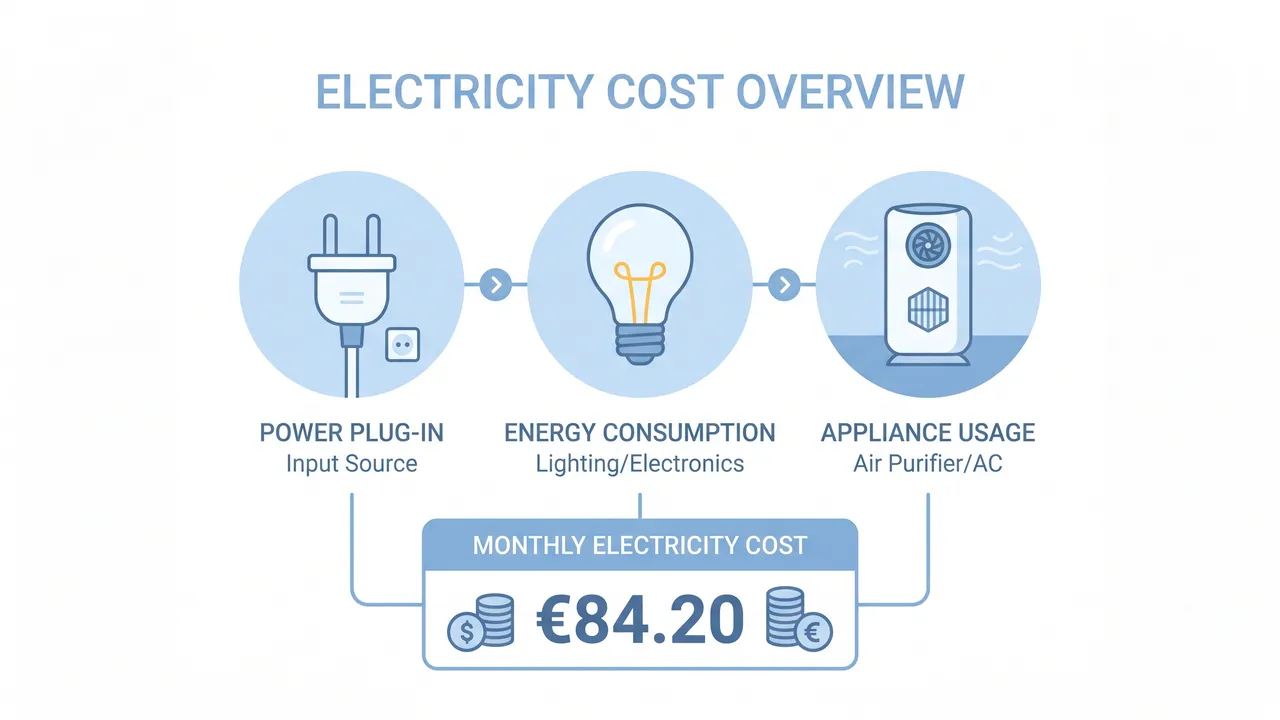
The filter replacement trap
Here’s a scenario that plays out in thousands of homes every year: someone buys a $99 air purifier, marvels at how clean the air feels for 6 months, then discovers replacement filters cost $60 every 6 months. Over 3 years, the “budget” purifier costs $460. More than a premium model with cheaper filter replacements.
Filter replacement cost is the most important number most buyers ignore. Before choosing a purifier, calculate the 3-year total cost:
Total Cost = Purchase Price + (Filter Cost x Replacement Frequency x 3 years)
Calculate your total cost of ownership based on your specific model and usage.
When to replace each filter type
HEPA filter: every 6-12 months
True HEPA filters don’t “wear out” in the traditional sense. They actually become more efficient at capturing particles as they load up. The problem is airflow: a clogged filter restricts air movement, reducing CADR and straining the motor.
Signs your HEPA filter needs replacement:
- Airflow from the output vent is noticeably weaker, even on high speed
- The filter appears gray or brown (not just dusty, actually discolored)
- Your air quality monitor shows PM2.5 rising even with the purifier running on high
- It’s been 12 months since your last change, regardless of appearance
The vacuum trick: Every 2-4 weeks, use a vacuum with a brush attachment to gently clean the exterior of the HEPA filter. This removes the surface-layer debris that causes most airflow restriction. Do NOT wash a True HEPA filter with water. The fibers lose their electrostatic charge and filtration efficiency drops permanently.
Activated carbon filter: every 3-6 months
Carbon filters are the fastest-wearing component because they work through adsorption. Pollutant molecules physically bind to the carbon surface. Once all binding sites are occupied, the filter stops working for gases and odors, even though it looks identical.
- Thin carbon sheets (Levoit Core 300, Coway AP-1512HH): Replace every 3-4 months in normal conditions, every 1-2 months with heavy cooking, smoking, or strong VOCs
- Pellet-based carbon filters (Winix 5500-2, Levoit Vital 200S): Replace every 6 months
- Heavy carbon canisters (IQAir HealthPro Plus V5-Cell, Austin Air): Replace every 2-5 years depending on exposure
- Washable carbon filters (Winix AOC): Wash every 3 months, replace every 12-18 months
You cannot “recharge” a saturated carbon filter. Claims that sunlight, oven heating, or washing reactivates carbon are false. Reactivation requires industrial kilns at 600-900C in oxygen-free environments.
Pre-filter: clean every 2-4 weeks
The pre-filter is the unsung hero. A clean pre-filter can extend HEPA filter life by 30-50% by catching large particles before they reach the expensive media.
Wash with warm water and mild soap, let dry completely (24 hours) before reinstalling. In pet households, clean every 2 weeks. In homes without pets, every 4 weeks is sufficient.
Filter costs by popular model
| Model | HEPA Filter Cost | Replacement Frequency | Carbon Filter Cost | Annual Total |
|---|---|---|---|---|
| Levoit Core 300 | $30 | 6-8 months | Included | $45-60 |
| MOOKA PR1 | $20 | 3-6 months | Included | $40-80 |
| Coway AP-1512HH | $45 | 12 months | $18 | $63 |
| Winix 5500-2 | $45 | 12 months | $20 (washable) | $65 |
| Blueair 211i Max | $59 | 6-9 months | Included | $79-118 |
| Levoit Core 400S | $50 | 6-8 months | Included | $75-100 |
| Coway Airmega 250 | $57 | 12 months | $22 | $79 |
| IQAir HealthPro Plus | $149 (pre-filter) | 18 months | $99 (V5-Cell) | $175-280 |
Read our detailed product reviews for more information on each model.
Total cost of ownership: 3-year calculation
Let’s calculate the real cost of owning each purifier over 3 years:
| Purifier | Upfront | Filters (3yr) | Electricity (3yr) | Total |
|---|---|---|---|---|
| MOOKA PR1 | $55 | $120 | $90 | $265 |
| Levoit Core 300 | $95 | $135 | $90 | $320 |
| Winix 5500-2 | $140 | $195 | $100 | $435 |
| Coway AP-1512HH | $170 | $189 | $100 | $459 |
| Levoit Core 400S | $189 | $225 | $108 | $522 |
| Blueair 211i Max | $339 | $237 | $108 | $684 |
| IQAir HealthPro Plus | $899 | $525 | $120 | $1,544 |
The MOOKA is cheapest over 3 years, but you get lower build quality. The Levoit Core 300 offers the best balance of performance and cost. The IQAir is 5x more expensive but provides medical-grade filtration.
Calculate your exact electricity cost based on your local rate.
Genuine vs. third-party filters: does it matter?
For most popular models, third-party replacement filters are available on Amazon for 30-50% less than OEM filters. The critical question is whether they perform as well.
Independent testing by the Association of Home Appliance Manufacturers (AHAM) and Consumer Reports has found that third-party filters vary dramatically in quality:
- Some third-party filters (particularly those with verifiable HEPA certification labels) perform nearly identically to OEM
- Others have lower pleat counts (less surface area), looser seals that allow air bypass, or carbon sheets with negligible activated carbon weight
Our recommendation: If you buy third-party, look for filters that explicitly claim to meet HEPA H13 or H14 standards AND have a gasket seal around the filter frame. Avoid the absolute cheapest options. A $12 filter that lets 15% of air bypass its media is worse than useless.
For purifiers with complex filter assemblies (Blueair, IQAir), we recommend OEM filters. The replacement cost is higher, but the seal integrity and media quality are guaranteed.
How to extend filter life
Clean the pre-filter regularly. This is the single most effective way to extend HEPA filter life. A clean pre-filter catches large particles before they reach the HEPA media. Clean every 2-4 weeks.
Run on lower speeds when possible. Higher speeds push more air through the filter, causing it to clog faster. Use auto mode or medium speed for daily use. Reserve high speed for cooking, cleaning, or smoke events.
Vacuum the HEPA filter exterior. Every 2-4 weeks, use a vacuum with a brush attachment to remove surface debris. This restores airflow without damaging the filter.
Keep the purifier clean. Dust and pet hair accumulate on the intake vents. Wipe them down monthly to prevent debris from entering the filter.
Don’t run without a filter. Running the purifier without a filter can damage the motor and void the warranty.
How to replace filters: step by step
- Turn off and unplug the purifier
- Remove the front cover or twist off the bottom (depends on model)
- Take out the old filter Note which side faces forward
- Remove plastic wrapping from the new filter
- Insert the new filter Check orientation (usually marked with an arrow)
- Replace the cover
- Reset the filter indicator Hold the filter button for 3-5 seconds (model-specific)
- Run on high for 30 minutes to clear any loose particles from the new filter
Common mistakes
Waiting for the indicator light. Many purifiers have filter indicator lights, but they’re based on time, not actual filter condition. Check your filter monthly and replace when needed, regardless of the light.
Running with a clogged filter. A clogged filter reduces airflow and can release captured particles back into the air. It also strains the motor, shortening the purifier’s lifespan.
Washing HEPA filters. Water destroys the electrostatic charge in True HEPA filters. Never wash a HEPA filter. You can wash pre-filters and some carbon filters, but never the HEPA media.
Buying the cheapest replacement filter. A $12 filter that lets 15% of air bypass is worse than a $25 filter that captures 99.97%. Spend the extra money on quality filters.
Not stocking up. During smoke events or allergy season, popular filters sell out within 48 hours. Buy replacement filters in advance.
The cost-effectiveness calculation
An air purifier that runs 24/7 with dirty filters is just an expensive fan. A properly maintained purifier with regular filter changes will cost $60-120 per year in consumables for most mid-range models. Roughly the cost of 2-3 takeout dinners. Given the respiratory health benefits and allergy symptom reduction documented in multiple controlled studies, this is one of the most cost-effective health interventions available for the home.
You May Also Like
- How Often to Change Air Purifier Filter
- How to Clean Your Air Purifier
- Should You Leave Your Air Purifier On While on Vacation?
- Air Purifier Warranty and Longevity Guide
Frequently Asked Questions
How long should I run my air purifier each day?
For best results, run your air purifier 24/7 on medium speed. Air purification works by continuously removing particles—turning it off allows them to accumulate again. Modern purifiers use 30-80W on medium (similar to a light bulb), making continuous operation energy-efficient.
Where is the best place to put an air purifier?
Place the purifier 3-5 feet from your breathing zone, near pollution sources, with unobstructed airflow on all sides. Avoid corners, curtains, and furniture that block intake or output. For bedrooms, position near the bed but not blowing directly on you.
How do I know when to replace the filter?
Most purifiers have filter indicator lights. Without indicators, replace HEPA filters every 6-12 months and carbon filters every 3-6 months. Signs of a clogged filter: reduced airflow, visible discoloration, increased noise, or the purifier seeming less effective.
Are air purifiers noisy?
Noise levels vary by model and fan speed. Sleep modes (20-25 dB) are quieter than a whisper. Medium speeds (35-45 dB) are similar to background music. High speeds (50-60 dB) are conversation level. For bedrooms, look for sleep modes under 25 dB.
Do air purifiers use a lot of electricity?
No. Most purifiers use 30-80W on medium and 5-15W on sleep mode. Running 24/7 on medium costs $2-8/month at average US electricity rates. Energy Star models use 15-40% less electricity. The main ongoing cost is filter replacement ($30-120/year).
Disclosure: We may earn a commission from qualifying purchases.
Support This Guide
Helpful? Add The Air Purifier Guide as a preferred source on Google so our guides show up in your search results.
Related Articles
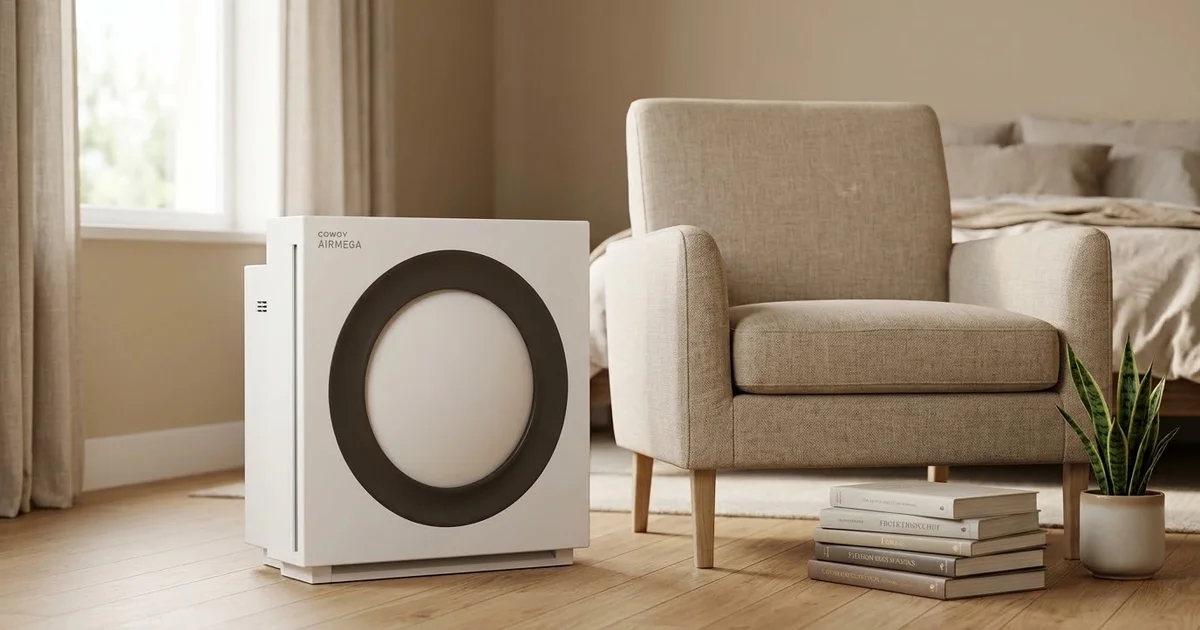
Coway Mighty2 vs AP-1512HH (2026)
Coway's Mighty2 replaced the AP-1512HH as Wirecutter's top pick. We compare CADR, noise, sensors, filter costs, and whether the older unit is still the smarter buy.
KNKA APH4000 Review: $150 Dark Horse
KNKA's APH4000 is one of Amazon's best-selling purifiers at $150. We check the AHAM certification, decode the 1,695 sq ft claim, and compare it to Levoit and Coway.
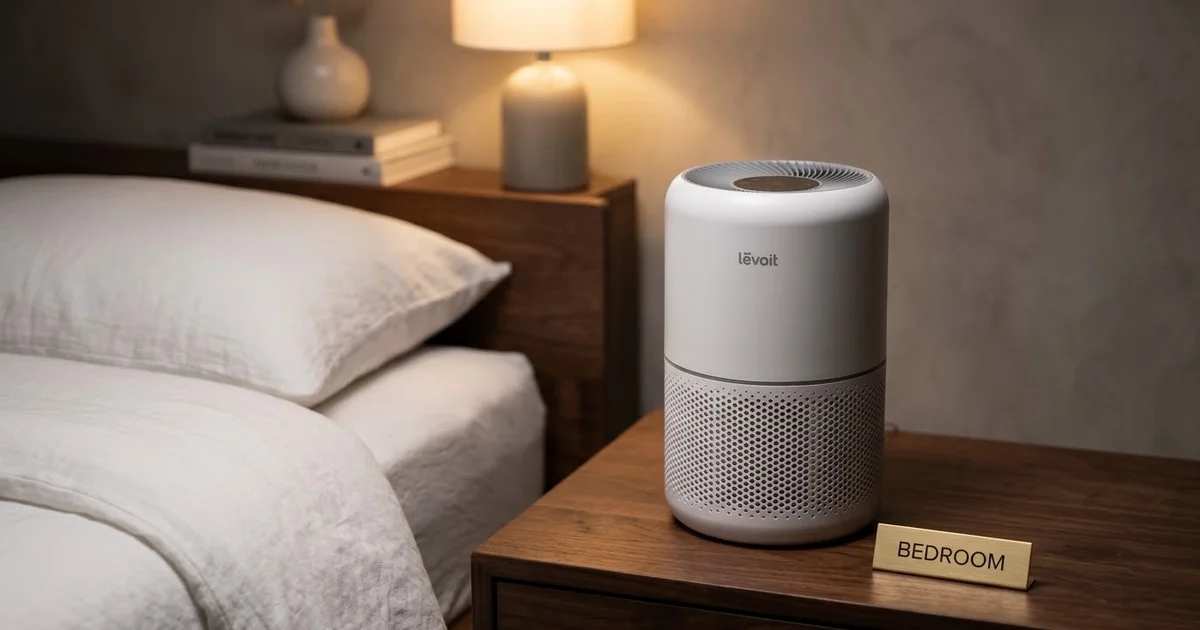
Levoit Core 300 vs 300-P: What Changed
Levoit quietly replaced the Core 300 with the Core 300-P. We explain the AHAM certification, whether filters still fit, and which one you should actually buy.
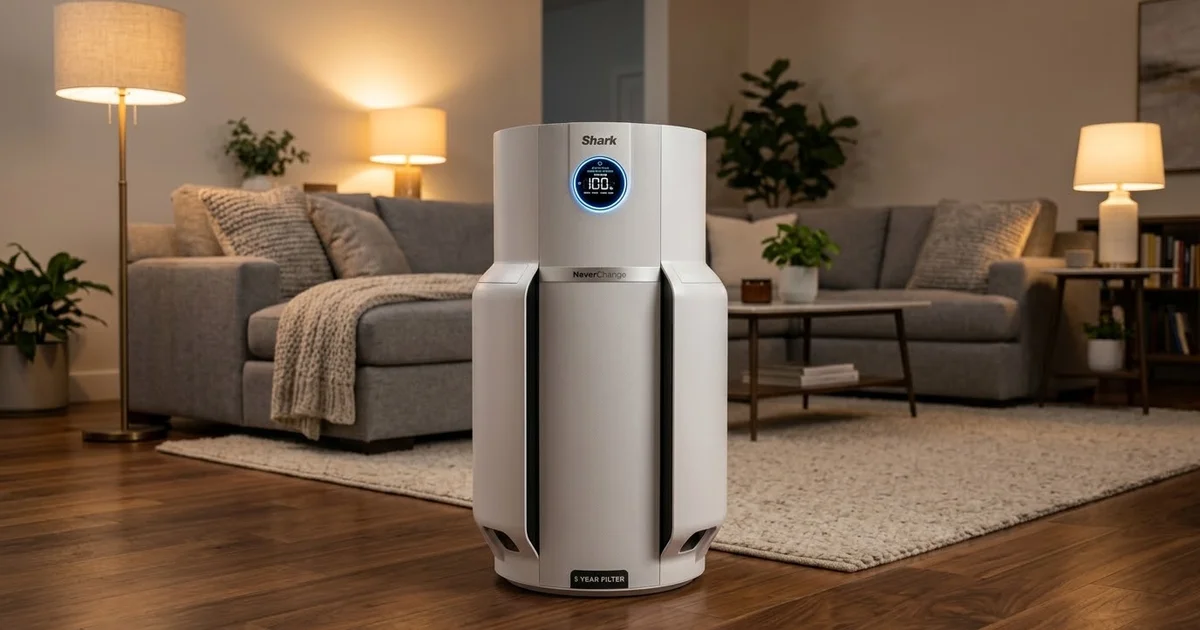
Shark NeverChange HP302 Review
Shark's NeverChange HP302 promises 5 years on one filter. We dig into the real running costs, the odor neutralizer catch, and whether it beats cheaper rivals.
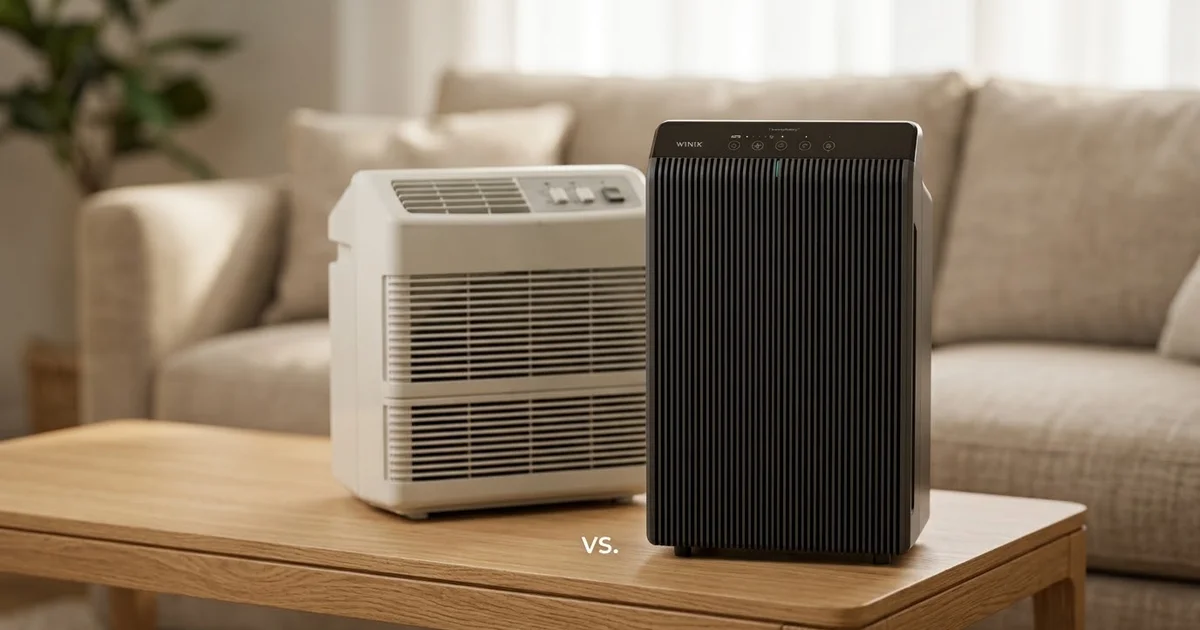
Winix 5510 vs 5500-2: 2026 Verdict
The Winix 5500-2 is discontinued and the 5510 takes over. We compare CADR, noise, filter costs, and the one compatibility problem nobody mentions.
🛒 Products Mentioned
As an Amazon Associate, we earn from qualifying purchases.
Runs side-by-side purifier comparisons, long-term ownership reports, and filter cost analysis.
View all articles by David →