The Short Answer: Construction dust is a volume problem, not a filtration problem. Any True HEPA purifier catches the particles; the question is how fast it clears the room and how often you can stand to change the filter. For renovation work, buy the highest dust CADR you can justify: Medify Air MA-112 (500 CFM dust CADR) for serious jobs, Coway Airmega 400 (350 CFM) for large quiet rooms, and Winix 5500-2 ($199) for single-room budget duty. Run it continuously during work and 24-48 hours after.
Editor’s note (September 2026): The Winix 5500-2 has been discontinued and remaining stock is limited. Winix’s official successor is the Winix 5510, which adds app control and uses a new filter. Read our Winix 5510 vs 5500-2 comparison before you buy either one.
Renovation Dust Is a Different Beast
A friend called me after the first day of his kitchen remodel. He had bought a small HEPA purifier, the kind marketed for bedrooms, and run it all day while the contractor cut drywall. At dinner the counters had a visible film of dust. The purifier was doing its job, it just could not do it fast enough.
That is the core lesson of this guide: construction dust is not a filtration failure, it is a volume failure. The particles are easy to catch. Drywall dust is mostly calcium sulfate in the 1-20 micron range, easily within True HEPA’s 0.3-micron capability. Wood dust, cement dust, and joint compound dust are all the same story. A $50 purifier with a decent HEPA filter catches them perfectly well.
The problem is throughput. One hour of drywall sanding releases more particulate mass than a typical bedroom produces in a month. A small purifier rated for 120 CFM simply cannot move enough air to keep a room clear while a sander runs. This is why the recommendation here is always the same: buy for the worst day, not the average day.
What the Numbers Say
The metric that matters is dust CADR (Clean Air Delivery Rate), measured in CFM (cubic feet per minute). It tells you how much dust-laden air the purifier can clean per minute, which is the honest measure of renovation capability.
| Room size | Light work (painting, minor sanding) | Heavy work (drywall, demolition, concrete) |
|---|---|---|
| 150-250 sq ft | 200+ CFM dust CADR | 300+ CFM |
| 300-500 sq ft | 300+ CFM | 400-500 CFM |
| 500+ sq ft / open plan | 400+ CFM | 500+ CFM |
For context, the AHAM standard (4.8 ACH) used for regular rooms is the floor, not the target, during renovation. When dust is being actively generated, you want to turn the room over faster. Use our construction dust CADR calculator to compute the exact number for your room dimensions.
The EPA’s guidance on particulate matter notes that fine particles under 2.5 microns (PM2.5) are the respiratory concern: they bypass the upper airway defenses and reach deep into lung tissue. Construction dust contains a significant fraction of PM2.5, especially from concrete cutting and sanding operations.
The Four Best Air Purifiers for Construction Dust
1. Medify Air MA-112 ($449) — Best Overall for Renovations
The MA-112 has the highest dust CADR in our product database at 500 CFM, which puts it in a different class for renovation work. It is rated to cover 800 sq ft at 4 ACH, meaning a large living area or a gutted room gets turned over fast.
Specs that matter:
| Specification | Value |
|---|---|
| Dust CADR | 500 CFM |
| Room coverage (4 ACH) | 800 sq ft |
| Filtration | True HEPA H13 + washable pre-filter + carbon |
| Noise (low / high) | 32 / 58 dB |
| Filter cost / year | ~$80 |
The washable pre-filter is the unsung hero here. During construction, the pre-filter takes the brunt of the particle load and can be vacuumed or rinsed weekly, protecting the more expensive HEPA element. With a small purifier, that HEPA would be toast in a week of drywall work.
The tradeoff: it is loud on high (58 dB), and $449 is a real investment for something you might use for a few weeks. But it doubles as a permanent large-room purifier afterward.
2. Coway Airmega 400 ($449) — Best Quiet Large-Room Option
The Airmega 400 matches the MA-112’s price while trading some dust CADR (350 vs 500) for a much quieter operating profile on low and medium. If your renovation is in an occupied home where you are trying to live, work, or sleep while the work happens, the noise difference matters.
Specs:
| Specification | Value |
|---|---|
| Dust CADR | 350 CFM |
| Room coverage (4 ACH) | 710 sq ft |
| Filtration | True HEPA + pelletized carbon |
| Noise (low / high) | 24 / 52 dB |
| Filter cost / year | ~$90 |
The dual-intake design pulls from two sides, and the top exhaust distributes clean air evenly rather than blasting it in one direction. For a whole-floor remodel where you need continuous quiet filtration, this is the pick.
3. Honeywell HPA300 ($249) — The Workhorse
The HPA300 has been a contractor favorite for a decade, and the reason is durability and replacement-part availability. It is a plain, loud, effective machine: 300 CFM dust CADR, no smart features, no apps, just a big fan and three speeds.
Specs:
| Specification | Value |
|---|---|
| Dust CADR | 300 CFM |
| Room coverage (4 ACH) | 465 sq ft |
| Filtration | True HEPA + optional carbon pre-filter |
| Noise (low / high) | 32 / 63 dB |
| Filter cost / year | ~$70 |
Honeywell’s HEPA filters are cheap and available at any big-box store, which matters when you are burning through pre-filters during a month of construction. It is loud, but it works, and it has been doing so for long enough that replacement parts are everywhere.
4. Winix 5500-2 ($199) — Best Budget Option
If the renovation is one room and one week, the Winix 5500-2 is the sensible buy. It clears a 360 sq ft room at a solid 240 CFM dust CADR, and its washable AOC carbon pre-filter adds odor control for paint fumes and joint compound smells that a pure HEPA unit ignores.
Specs:
| Specification | Value |
|---|---|
| Dust CADR | 240 CFM |
| Room coverage (4 ACH) | 360 sq ft |
| Filtration | True HEPA + washable AOC carbon |
| Noise (low / high) | 28 / 58 dB |
| Filter cost / year | ~$70 |
The 5500-2 will not keep a whole house clear during demolition, but for a single room under renovation it is the best price-to-performance ratio in the group.
Protecting the HEPA Filter: Pre-Filters and Placement
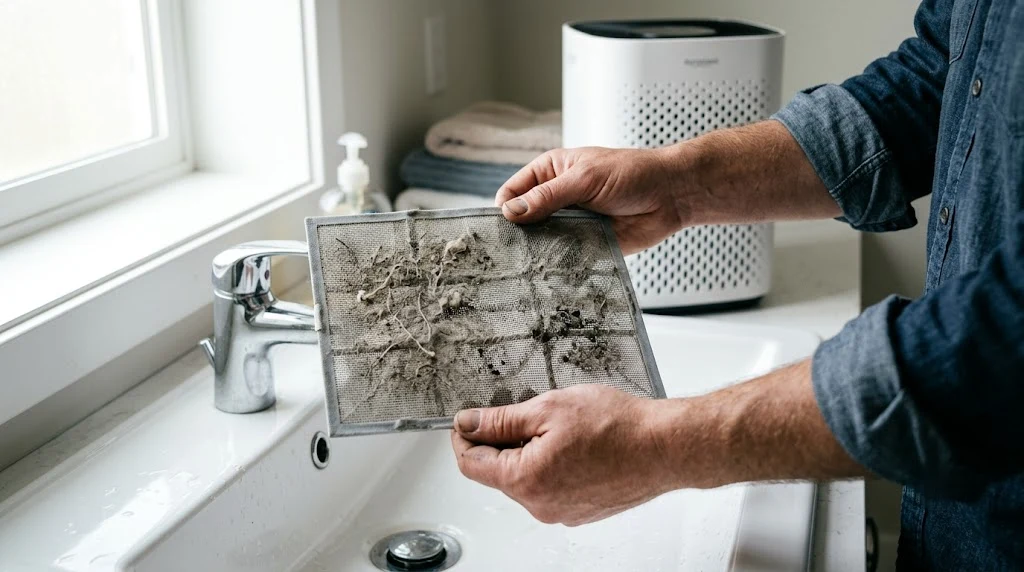
The single most practical tip for renovation use: protect the expensive filter with the cheap one.
Every purifier recommended here has a washable pre-filter layer. Vacuum it every 2-3 days during active construction, and rinse it weekly. A clogged pre-filter cuts airflow by 30-50% without any visible sign, silently destroying the purifier’s effectiveness. The maintenance guide for pre-filters walks through the cleaning routine in detail.
Placement is the second lever. Put the purifier on the opposite side of the room from the dust source, running on high, so it creates a circulation loop that pulls dust across the room. If the work is isolated to one area (like a bathroom being gutted), place the purifier in the doorway of the room being worked on, creating an air curtain that keeps dust from migrating to the rest of the house.
Seal off doorways with plastic sheeting where practical. The purifier then works a much smaller volume of air, which multiplies its effective clearing speed. For a deeper look at protecting the rest of the home, our room-by-room air purifier guide covers zoned filtration strategy.
How Long to Run It After the Work Ends
The work ends, the dust does not.
Fine particles under 10 microns stay airborne for hours after the last sanding stroke. The visible dust that settles on surfaces is the larger fraction; the respirable PM2.5 fraction hangs in the air much longer. Run the purifier on high for a full 24 hours after work finishes, then 48 hours on medium if anyone in the home has allergies or asthma. If you can see dust motes in a sunbeam or smell the work, it is not done yet.
Our detailed guide on how long to run an air purifier covers the timing logic, and the cost calculator tells you what those extra running hours cost in electricity (typically $1-3 for a full week of continuous high-speed operation).
Frequently Asked Questions
Is it safe to use an air purifier during construction?
Yes, and it is recommended. A True HEPA purifier running during construction reduces airborne dust levels continuously. For anyone with asthma, COPD, or allergies, it makes the difference between tolerable and miserable conditions during a remodel. Run it on high and keep windows closed to prevent outdoor dust from adding to the load.
Do air purifiers work for concrete dust?
Yes. Concrete dust particles range from fine respirable silica (under 10 microns) to larger aggregate fragments, and True HEPA captures both. The more serious concern is crystalline silica dust, which is a known respiratory hazard with long-term exposure risk. Use a purifier with high CADR and consider a respirator for the people doing the cutting.
Will construction dust ruin my air purifier?
It will clog the filters fast, but not ruin the machine, if you maintain it. The washable pre-filter takes most of the load; vacuum it every 2-3 days during heavy work. The HEPA filter itself will need replacement sooner than normal, budget for that. Without pre-filter maintenance, the HEPA clogs and airflow drops dramatically within days.
Can I use a window fan instead of an air purifier for construction dust?
A window fan exhausting outward helps remove dust, and ventilation is always good. But it only works when the weather cooperates and it pulls conditioned air out of the house. A purifier works continuously regardless of weather and captures particles rather than just moving them. Best practice is both: exhaust at the source, filter in the room.
What is the difference between dust CADR and smoke CADR?
Smoke CADR measures performance against 0.1-1 micron particles, dust CADR against larger household dust (0.5-3 microns). For construction dust, both numbers are useful: dust CADR reflects the bulk load, smoke CADR reflects fine respirable particles. Look at both, but weight dust CADR higher for renovation scenarios.
Final Verdict
For a serious renovation, buy the biggest dust CADR you can justify. The Medify Air MA-112 leads our database at 500 CFM and is the clear choice for gut jobs and open floor plans. The Coway Airmega 400 matches it in price with quieter operation for occupied homes. The Honeywell HPA300 is the durable contractor workhorse, and the Winix 5500-2 covers a single room on a budget.
Pair whichever you choose with aggressive pre-filter maintenance and 24-48 hours of post-work running. That combination clears the air faster than any single machine, and it keeps the filter investment from being a one-week casualty.
Disclosure: As an Amazon Associate, The Air Purifier Guide earns from qualifying purchases made through links in this article. This does not affect our recommendations. We only recommend products we have researched and analyzed independently.
You May Also Like
Support This Guide
Helpful? Add The Air Purifier Guide as a preferred source on Google so our guides show up in your search results.
Related Articles
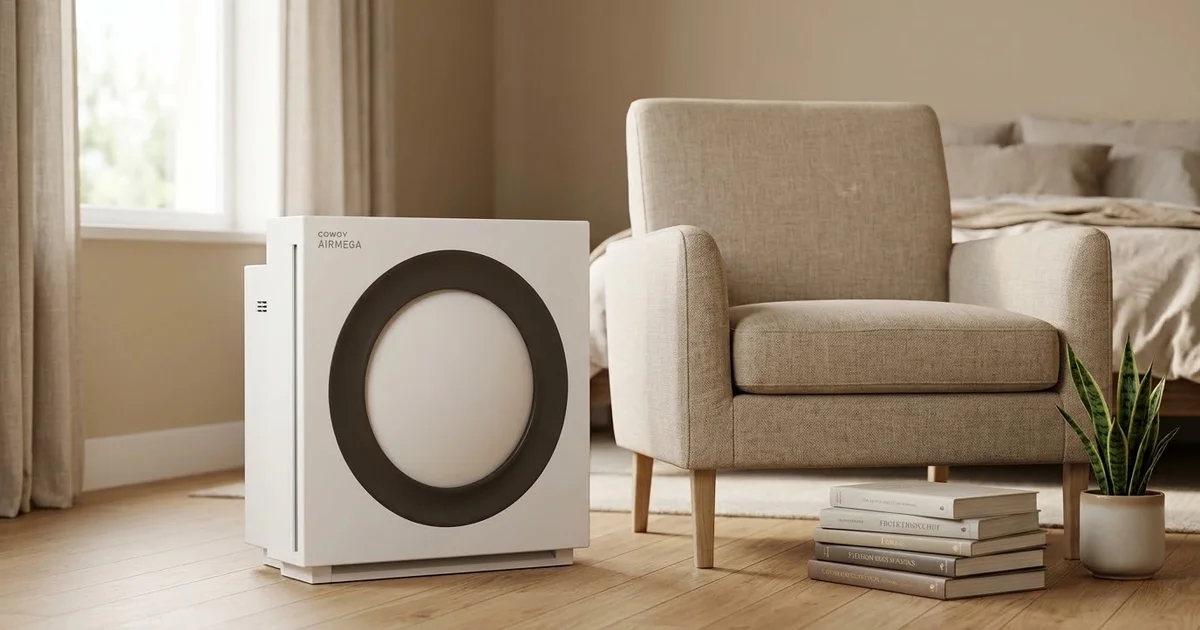
Coway Mighty2 vs AP-1512HH (2026)
Coway's Mighty2 replaced the AP-1512HH as Wirecutter's top pick. We compare CADR, noise, sensors, filter costs, and whether the older unit is still the smarter buy.
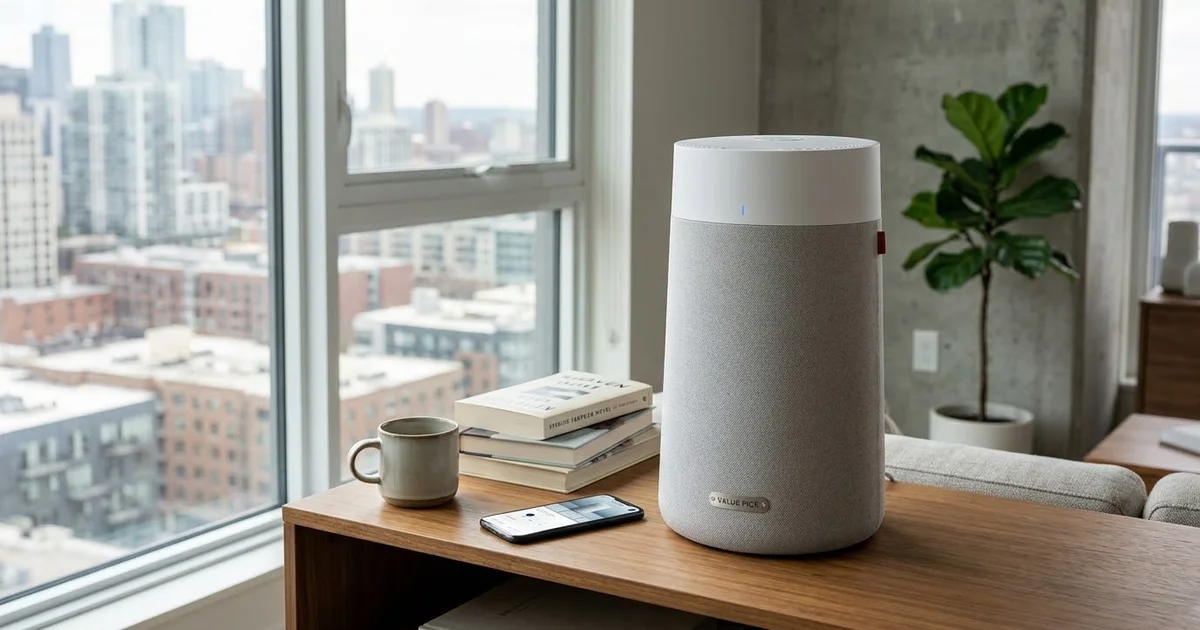
KNKA APH4000 Review: $150 Dark Horse
KNKA's APH4000 is one of Amazon's best-selling purifiers at $150. We check the AHAM certification, decode the 1,695 sq ft claim, and compare it to Levoit and Coway.
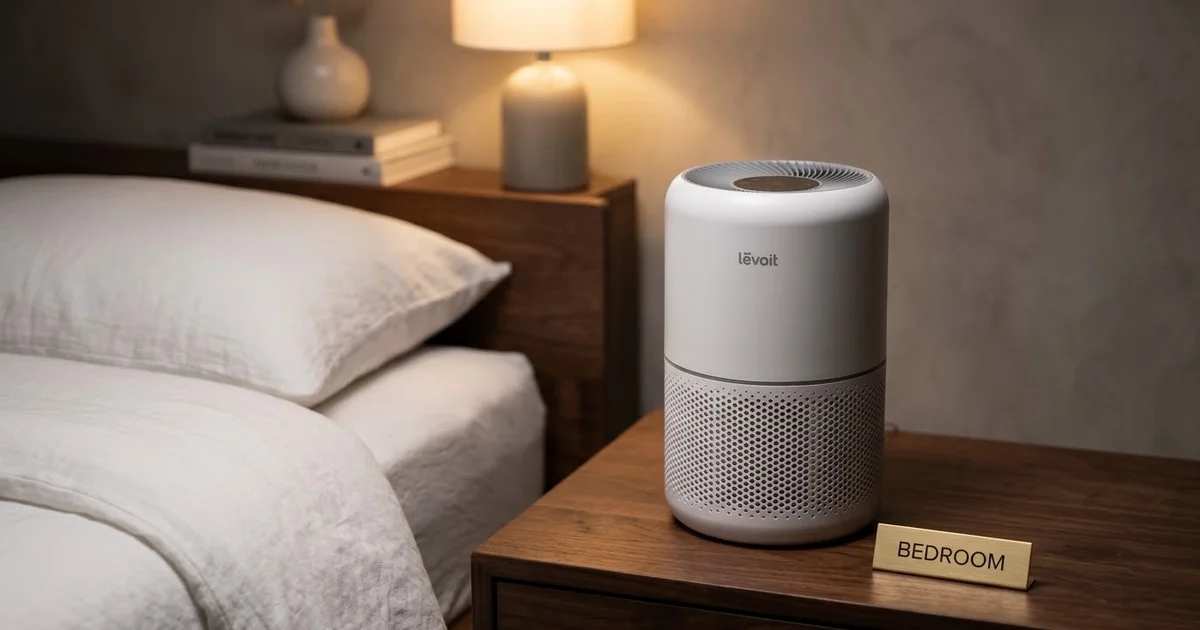
Levoit Core 300 vs 300-P: What Changed
Levoit quietly replaced the Core 300 with the Core 300-P. We explain the AHAM certification, whether filters still fit, and which one you should actually buy.
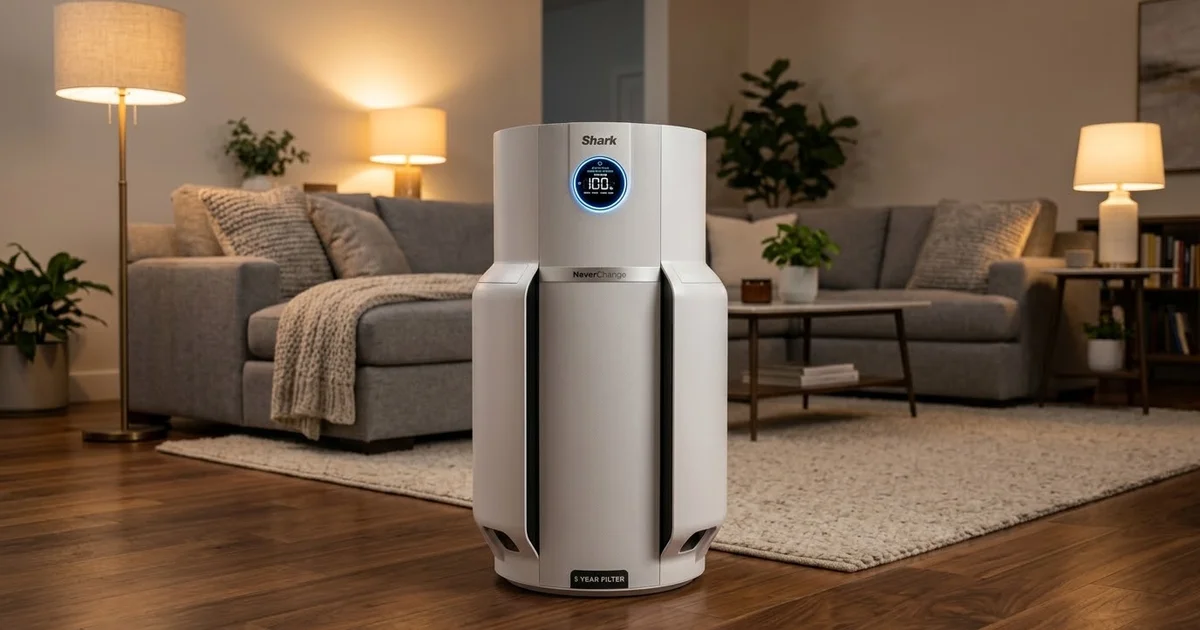
Shark NeverChange HP302 Review
Shark's NeverChange HP302 promises 5 years on one filter. We dig into the real running costs, the odor neutralizer catch, and whether it beats cheaper rivals.
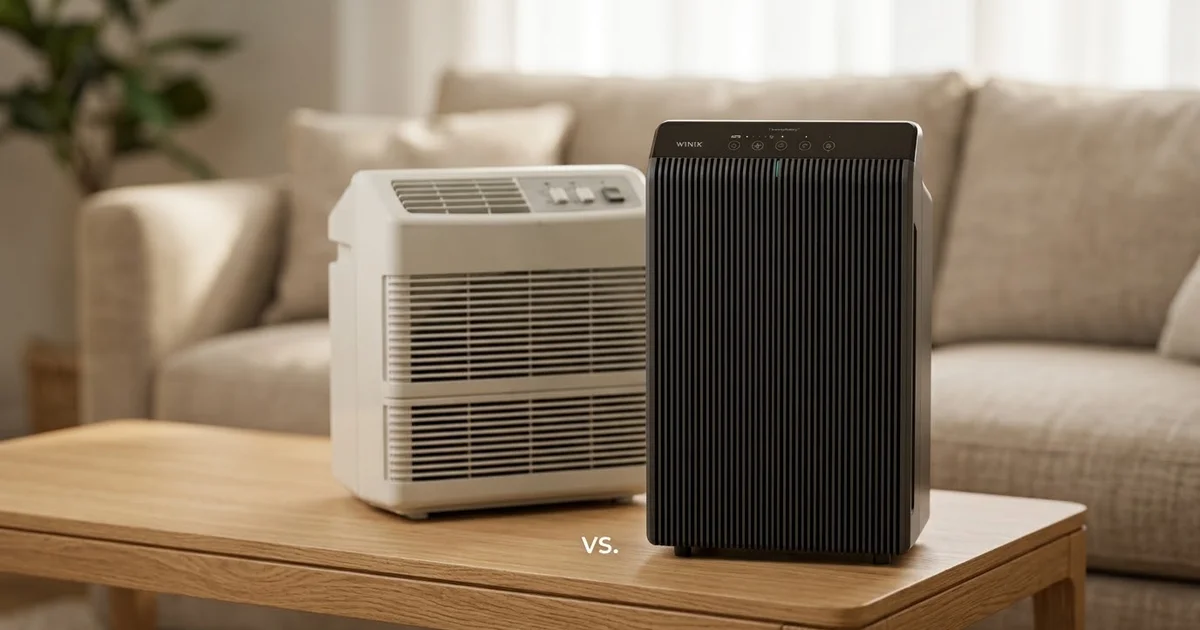
Winix 5510 vs 5500-2: 2026 Verdict
The Winix 5500-2 is discontinued and the 5510 takes over. We compare CADR, noise, filter costs, and the one compatibility problem nobody mentions.
🛒 Products Mentioned
As an Amazon Associate, we earn from qualifying purchases.
Runs side-by-side purifier comparisons, long-term ownership reports, and filter cost analysis.
View all articles by David →