The Short Answer: Remove all packaging, place on a flat surface with 3-5 feet clearance, and run on medium for 24 hours before first use. Set a calendar reminder for filter replacement based on manufacturer recommendations.
Editor’s note (September 2026): The Winix 5500-2 has been discontinued and remaining stock is limited. Winix’s official successor is the Winix 5510, which adds app control and uses a new filter. Read our Winix 5510 vs 5500-2 comparison before you buy either one.
An air purifier is one of the simplest appliances in your home, a fan, a filter housing, and some electronics. There is no compressor, no refrigerant, and no complex plumbing. In theory, the device should last a very long time. In reality, lifespan varies dramatically depending on the brand, the motor quality, the environment it runs in, and, most importantly, how well you maintain it.
This guide covers everything you need to know about how long air purifiers actually last, which brands offer the best warranties, what kills them prematurely, and when it makes more sense to repair rather than replace. If you are shopping for your first purifier or wondering whether the one rattling in the corner still has a few good years left, read on.
How Long Do Air Purifiers Last?
A well-maintained mid-range air purifier typically lasts 5 to 8 years. Budget models under $100 tend to give out after 3 to 5 years, while premium machines from brands like IQAir and Austin Air routinely exceed 10 years of continuous service. The main factor is the quality of the fan motor, it is the one component that runs continuously and cannot be easily replaced by the end user.
Here is a breakdown of expected lifespan by major brand and price tier:
| Brand / Model | Price Range | Expected Lifespan | Motor Type | Notable Durability Features |
|---|---|---|---|---|
| IQAir HealthPro Plus | $800–$900 | 10–15 years | Industrial-grade centrifugal fan | 10-year limited motor warranty; Swiss-engineered housing |
| Austin Air HealthMate | $600–$750 | 10–15 years | Permanent-split capacitor motor | 5-year mechanical warranty; all-steel construction |
| Coway AP-1512HH | $150–$230 | 5–8 years | DC motor rated 50,000+ hours | Best seller for a reason, quietly reliable |
| Coway Airmega 400 | $400–$500 | 7–10 years | Dual DC motors | 5-year motor warranty on select models |
| Blueair Classic series | $300–$600 | 5–8 years | HEPASilent™ fan | Modular design; parts still available for older units |
| Winix 5500-2 | $150–$180 | 5–7 years | AC motor | Solid mid-range pick; read our full review |
| Levoit Core 400S | $150–$180 | 4–6 years | DC brushless motor | Excellent value but shorter warranty coverage |
| Levoit Core 300 | $80–$100 | 3–5 years | Brushless DC motor | Budget-friendly; motor replacement not practical |
| Honeywell HPA300 | $200–$250 | 5–7 years | AC induction motor | Loud on high but mechanically durable |
| Generic / off-brand | Under $80 | 2–4 years | Unbranded AC motor | Warranty claims often impossible to process |
The numbers above assume regular filter changes and basic cleaning. A purifier that never gets its pre-filter washed or runs in a dusty workshop will fail much sooner, which brings us to the next section.
Factors That Shorten Purifier Lifespan
Most air purifier failures are not random. They are caused by preventable conditions that stress the motor, clog airflow, or degrade electronic components over time. Understanding these factors can easily add two or three years to a unit’s life.
Clogged Filters and Pre-Filters
This is the number-one killer. When the HEPA filter or pre-filter becomes clogged with dust, the fan motor has to work significantly harder to pull air through the media. The result is increased bearing wear, higher operating temperatures, and eventually motor failure. If you only do one thing, clean or replace your pre-filter on schedule.
Running on Maximum Speed 24/7
Fan bearings are rated for a certain number of hours at a given speed. Running a purifier on its highest setting around the clock accelerates wear by 2x to 3x compared to running on medium. Most modern purifiers have an auto mode that ramps up only when sensors detect poor air quality, use it.
Dusty or Humid Environments
Workshops, garages, basements, and homes with pets push significantly more particulate matter through the unit. High humidity can also cause mold growth inside the housing and corrode electronic contacts. If your purifier runs in a challenging environment, double your cleaning frequency and consider placing it on a raised surface away from floor-level dust.
Power Surges
A single voltage spike can destroy the control board, the WiFi module, or the sensor array. This is especially common during thunderstorms and in older homes with unstable wiring. A basic surge protector costs $10 and can save a $200 purifier. If your purifier has any electronic features, a display, WiFi, sensors, always use one.
Direct Sunlight and Heat
UV radiation degrades plastic housings over time, making them brittle. Heat from nearby radiators, baseboard heaters, or sunny windowsills raises the internal temperature and shortens motor life. Place your purifier in a shaded spot with at least a few inches of clearance on all sides.
Ignoring Warning Signs
Unusual rattling, grinding, or whining noises are early warnings that something is wrong. Continuing to run a purifier that sounds different from normal turns a minor repair into a catastrophic failure. If you notice new noises, stop and investigate before the motor seizes.
How to Extend Your Purifier’s Life
The difference between a purifier that lasts 4 years and one that lasts 10 is almost entirely about maintenance habits. Here is a practical checklist that takes less than 15 minutes per month:
- Vacuum the intake grille monthly. Dust accumulation on the grille forces the fan to work harder and pulls debris into the motor housing. A quick pass with a brush attachment makes a noticeable difference.
- Replace or wash pre-filters on schedule. A clogged pre-filter increases resistance, strains the fan motor, and reduces airflow. Check your manufacturer’s recommendation, most pre-filters need attention every 2 to 4 weeks. See our complete filter replacement cost guide for specifics by brand.
- Use a surge protector. Particularly important for purifiers with electronic controls and WiFi. A single power surge can fry the control board, and most warranties do not cover surge damage.
- Keep it away from direct sunlight and heat sources. UV exposure degrades plastic housings; heat reduces motor life. An interior wall away from windows is ideal.
- Don’t run it 24/7 on maximum speed. Continuous high-speed operation is the fastest way to wear out fan bearings. Use auto mode or schedule medium speed for daily use.
- Wipe down the exterior quarterly. Dust that settles on the housing can be drawn into the unit. A damp cloth is all you need.
- Check and clean the sensor window (if applicable). Smart purifiers with particle sensors have a small glass or plastic window that gets dirty over time. A cotton swab with isopropyl alcohol keeps it reading accurately.
If you are curious about optimal run times, our article on how long to run your air purifier covers room-by-room recommendations.
Warranty Comparison by Brand
A warranty tells you how much confidence the manufacturer has in their own product. Longer warranties generally correlate with better build quality, companies do not want to eat the cost of thousands of replacements.
| Brand | Standard Warranty | Extended / Motor Warranty | What’s NOT Covered |
|---|---|---|---|
| IQAir | 3 years | 10-year limited on motor and housing | Filters, improper installation, cosmetic wear |
| Austin Air | 5 years mechanical | 5 years pro-rated on filter | Normal filter wear after 5 years |
| Coway | 1–5 years (model dependent) | 5 years on motor (Airmega 300/400) | Filters, cosmetic damage, unauthorized modifications |
| Blueair | 1 year | Extended warranty available (purchase) | Filters, cosmetic wear, water damage |
| Honeywell | 1–3 years (model dependent) | None | Filters, commercial use, misuse |
| Winix | 2 years | None | Filters, ionizer degradation, surge damage |
| Levoit | 1–2 years | None | Filters, user misuse, third-party accessories |
What to Know Before Filing a Warranty Claim
- Register your product immediately after purchase. Many brands require online registration within 30 days to activate the full warranty.
- Keep your receipt. Digital receipts from Amazon work fine, screenshot the order confirmation.
- Document the problem. Record a video or audio clip of unusual noises. For electronic failures, note exactly when the issue started and what was happening (e.g., “after a power outage”).
- Read the fine print on filters. No mainstream warranty covers filter wear. That is considered a consumable expense, like printer ink.
Repair vs Replace Decision Guide
When your air purifier starts acting up, the instinct is to fix it. But repair is not always the smart financial move. Use this decision framework:
Repair Makes Sense When:
- The unit is less than 3 years old and under warranty. File a claim first.
- The issue is a clogged filter or dirty sensor. These are maintenance problems, not mechanical failures.
- The noise is from a loose panel or unlevel surface. Check before assuming the worst.
- Replacement parts are available and affordable. Some brands (Blueair, Coway) sell replacement motors, fan assemblies, and control boards for reasonable prices.
Replace Makes Sense When:
- The fan motor has seized or is grinding persistently. Motor replacement in a $150 purifier often costs more than a new unit once you factor in labor and parts shipping.
- The control board has failed on an older unit. Electronics are the second most expensive component. If the unit is out of warranty and 4+ years old, upgrading is usually cheaper.
- Repair costs exceed 50% of a new unit’s price. This is the classic rule of thumb for all appliances.
- You need features the old unit lacks. Older purifiers may not have smart controls, air quality sensors, or the latest HEPA filter media. Sometimes replacing is an upgrade, not just a fix.
The 50% Rule
If the repair cost is more than half the price of a comparable new model, and the unit is more than halfway through its expected lifespan, replace it. For a $200 purifier that is 4 years old with a $120 motor replacement quote, you are better off buying a new Coway AP-1512HH or Winix 5500-2 and starting fresh with a full warranty.
For more on this topic, see our guide to buying refurbished vs. new air purifiers, sometimes a factory-refurbished unit is the sweet spot between cost and reliability.
Signs It’s Time for a New Purifier
Your air purifier will not always fail catastrophically. More often, it degrades gradually until it is no longer doing its job effectively. Watch for these warning signs:
- Persistent rattling or grinding that does not resolve after cleaning. This usually indicates bearing wear that will only get worse.
- Noticeably reduced airflow on all speed settings. Hold your hand behind the unit. If the air volume feels weaker than it used to, even with a fresh filter, the motor is losing power.
- The unit overheats or smells hot. An electrical or burning smell is a safety issue. Unplug immediately and do not continue using it.
- Auto mode no longer responds to poor air quality. If the sensor is dead and the unit just runs at a constant speed regardless of conditions, you have lost a key feature. You can still use it manually, but it is a sign of declining electronics.
- Replacement filters are discontinued. If you cannot buy official filters anymore, the manufacturer has moved on. Third-party filters exist but are not always equivalent.
- Energy efficiency has declined. Older motors draw more power for less output. If your purifier is 8+ years old and running 24/7, a newer Energy Star model could pay for itself in electricity savings.
- Visible damage to the housing, cord, or plug. Cracked housings let unfiltered air bypass the filter. Damaged cords are a fire hazard.
10,000 Hours and Counting: The Motor’s Mid-Life Crisis
At roughly the 2-year mark (running 12 hours per day), the fan motor enters what engineers call its “settled” phase. Bearings that were slightly imperfect from the factory will have either smoothed out or started to develop noise. This is the moment when the quality difference between brands becomes audible.
A Coway motor at 10,000 hours typically sounds identical to day one. A budget-brand motor may have developed a faint bearing whine at certain speeds. If you hear new noise after the first year, try these steps before panicking:
- Clean the fan blades, dust imbalance causes vibration.
- Make sure the unit is sitting level on a flat surface.
- Isolate it from resonant surfaces (wooden floors and hollow shelving amplify vibration).
- Place a rubber mat or furniture pad underneath.
If the noise persists and the unit is under warranty, file a claim. Document it with a phone recording, support teams respond much better to audio evidence than verbal descriptions. For a detailed troubleshooting walkthrough, see how to test if your air purifier is working properly.
Frequently Asked Questions
Can I replace just the motor in my air purifier?
In some models, yes. Brands like Blueair and Coway sell replacement fan assemblies. However, the repair typically requires partial disassembly and some technical comfort. For budget purifiers under $150, the motor plus shipping often approaches the cost of a new unit, making replacement impractical.
Do air purifiers lose effectiveness over time even with new filters?
Yes, gradually. The fan motor loses a small amount of power as bearings wear, which reduces airflow. Sensors drift and become less accurate. The HEPA filter media itself does not degrade if replaced on schedule, but the air volume passing through it decreases. After 7 to 8 years of continuous use, most purifiers move noticeably less air than they did when new.
Is it worth buying an extended warranty for an air purifier?
For budget models under $150, no. The warranty cost often approaches the price of a replacement unit. For premium purifiers over $400, an extended warranty can be worthwhile, especially if it covers the motor beyond the standard period. Always read what is excluded; most extended warranties do not cover filters, cosmetic damage, or surge-related failures.
How do I know if my air purifier is still working effectively?
The simplest test is the airflow check: hold a tissue about 6 inches from the output grille on medium speed. It should flutter noticeably. If it barely moves, your filter is clogged or the motor is weak. For a more thorough evaluation, use a standalone air quality monitor to measure particulate levels before and after running the purifier. Our guide on testing whether your purifier actually works covers this in detail.
Should I leave my air purifier running when I’m not home?
Generally yes, especially if you have allergies, pets, or live in an area with poor outdoor air quality. Running on auto mode is the best compromise, the purifier conserves energy when air quality is good and ramps up when needed. If you will be away for an extended period, see our guide on leaving your air purifier on during vacation for tips on balancing energy use and air quality.
The Bottom Line
A quality air purifier is a long-term investment in your health, not a disposable gadget. A Coway AP-1512HH or Winix 5500-2 maintained properly will serve you faithfully for 5 to 8 years. Spend 15 minutes a month on basic cleaning, replace your filters on schedule, use a surge protector, and resist the urge to run it on maximum speed around the clock. Do those four things and you will get the full lifespan out of your machine, and cleaner air every day it runs.
Disclosure: This article contains affiliate links. If you purchase through our links, we may earn a small commission at no extra cost to you. We only recommend products we have tested or thoroughly researched. See our full disclosure policy for details.
See also: Air Purifier Return Policies and Warranty Comparison · Air Purifier Filter Replacement Guide and Costs · How to Clean and Maintain Your Air Purifier Pre-Filter · Best Budget Air Purifiers Under $100 · Coway vs Levoit: Which Brand Is Better?
You May Also Like
- Air Purifier Return Policies and Warranty Comparison: What Happens If You Don’t Like It?
- Air Purifier Filter Replacement Guide: Costs, Schedules, and How to Extend Filter Life
- How Often to Change Air Purifier Filter: Complete Replacement Guide
- How to Clean Your Air Purifier: Pre-Filter, HEPA, Carbon, and Sensor Maintenance
Support This Guide
Helpful? Add The Air Purifier Guide as a preferred source on Google so our guides show up in your search results.
Related Articles
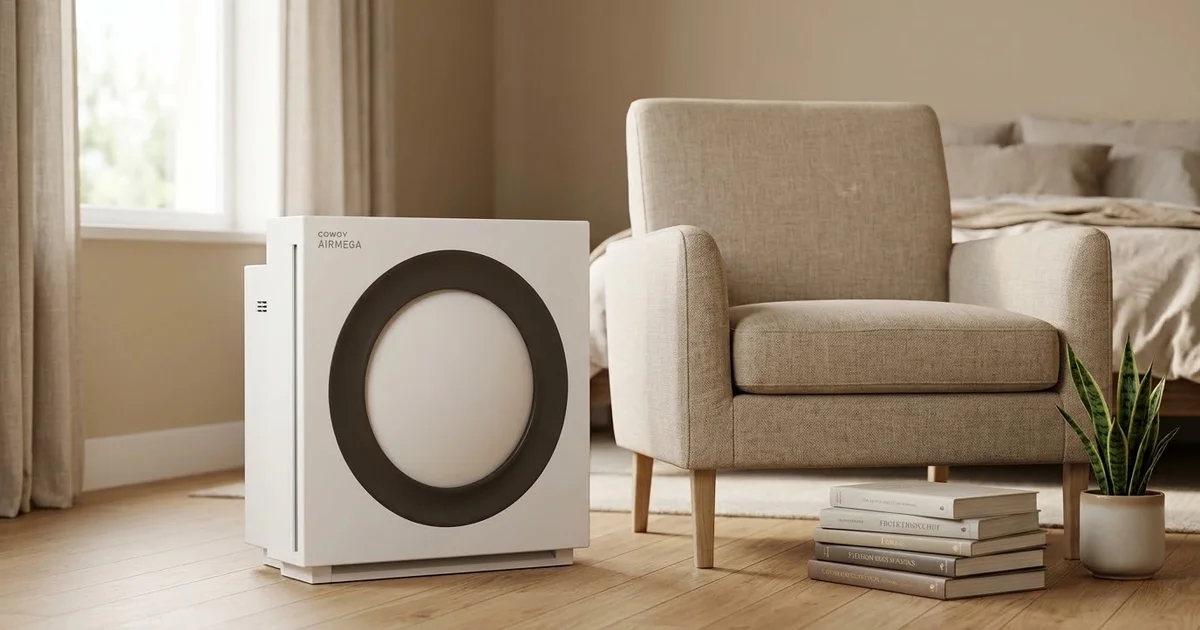
Coway Mighty2 vs AP-1512HH (2026)
Coway's Mighty2 replaced the AP-1512HH as Wirecutter's top pick. We compare CADR, noise, sensors, filter costs, and whether the older unit is still the smarter buy.
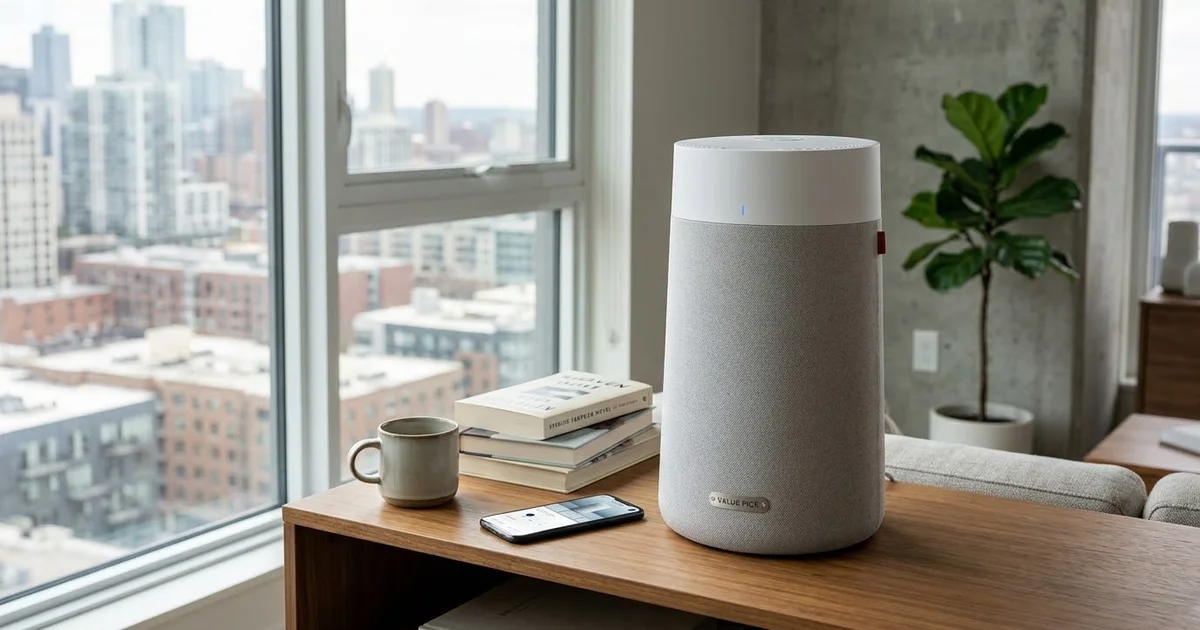
KNKA APH4000 Review: $150 Dark Horse
KNKA's APH4000 is one of Amazon's best-selling purifiers at $150. We check the AHAM certification, decode the 1,695 sq ft claim, and compare it to Levoit and Coway.
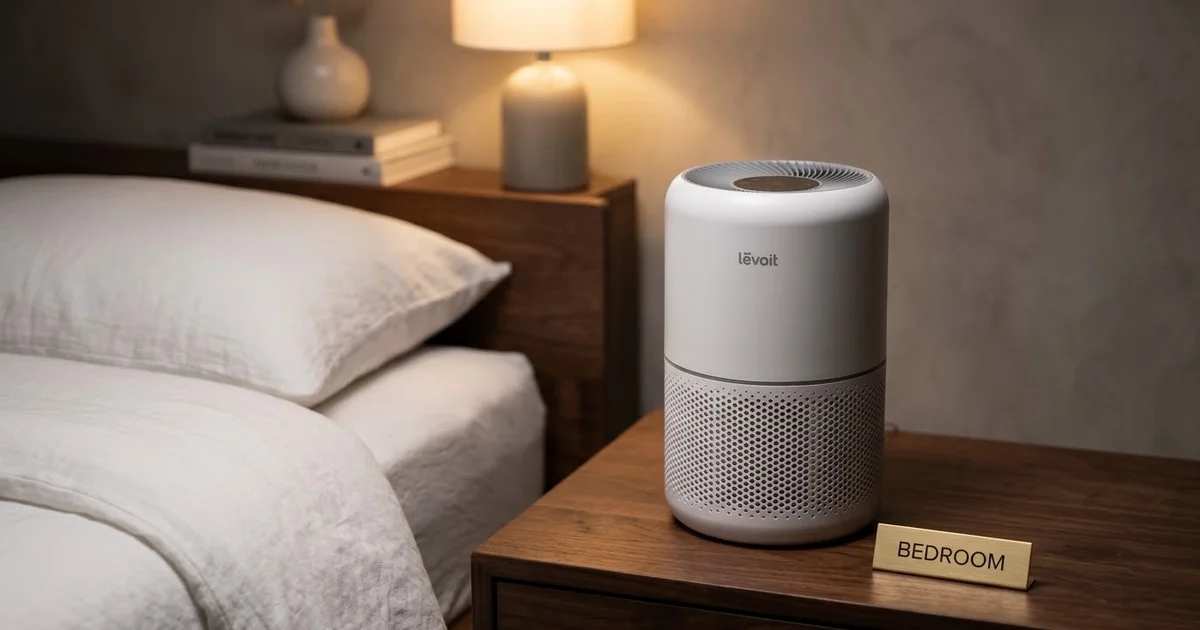
Levoit Core 300 vs 300-P: What Changed
Levoit quietly replaced the Core 300 with the Core 300-P. We explain the AHAM certification, whether filters still fit, and which one you should actually buy.
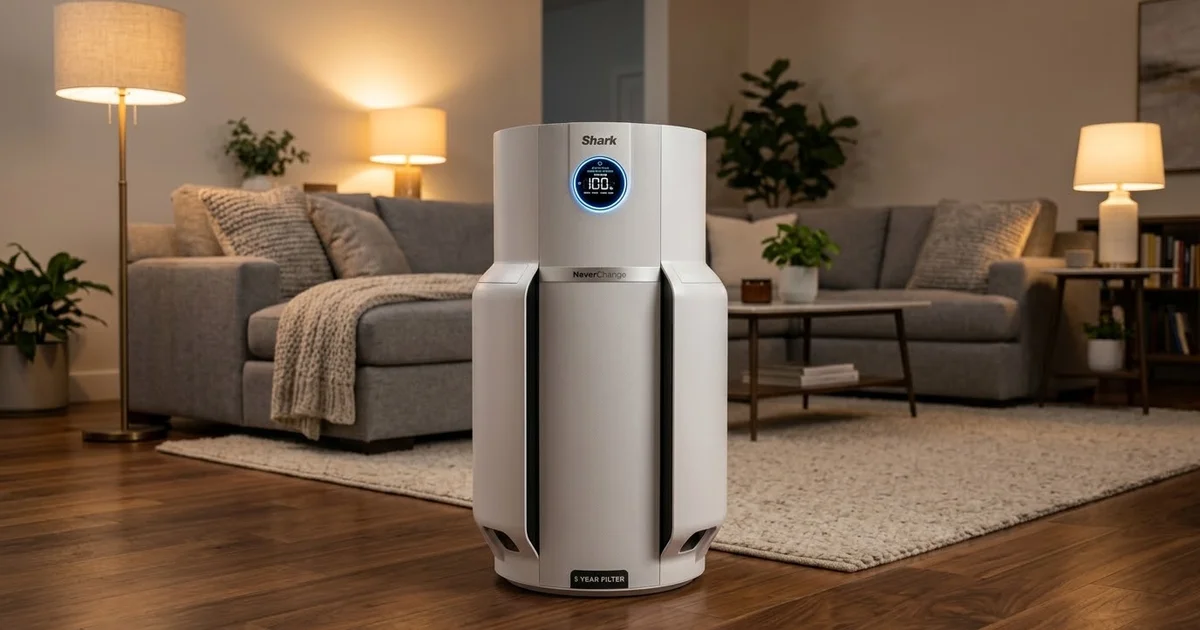
Shark NeverChange HP302 Review
Shark's NeverChange HP302 promises 5 years on one filter. We dig into the real running costs, the odor neutralizer catch, and whether it beats cheaper rivals.
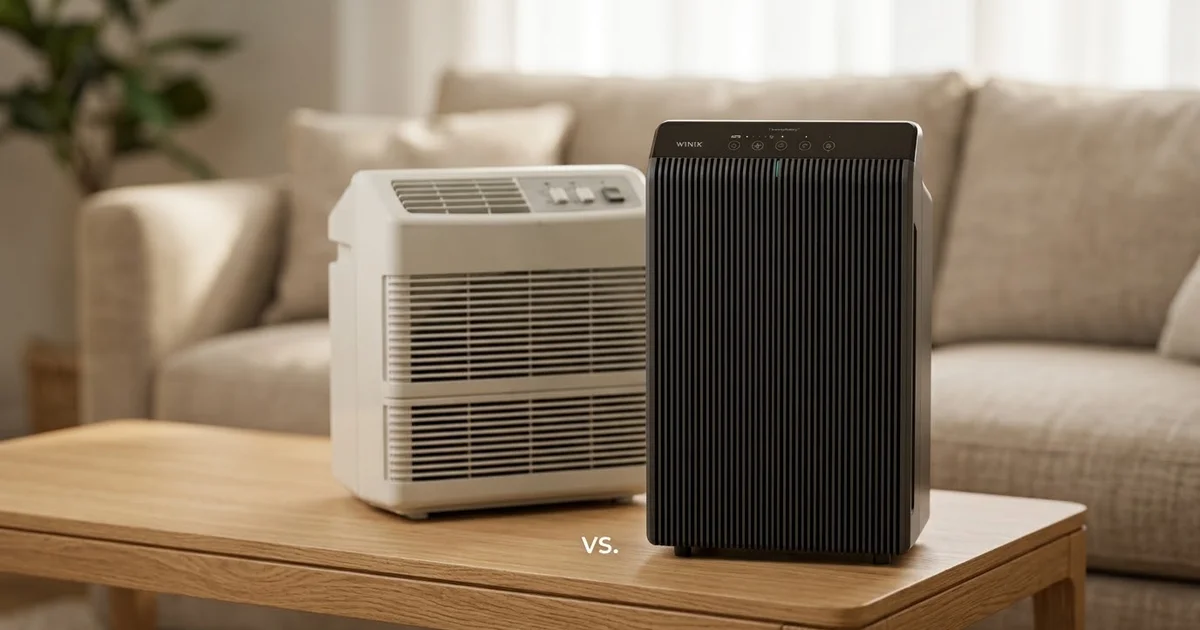
Winix 5510 vs 5500-2: 2026 Verdict
The Winix 5500-2 is discontinued and the 5510 takes over. We compare CADR, noise, filter costs, and the one compatibility problem nobody mentions.
🛒 Products Mentioned
As an Amazon Associate, we earn from qualifying purchases.
Runs side-by-side purifier comparisons, long-term ownership reports, and filter cost analysis.
View all articles by David →