The Short Answer: The Coway AP-1512HH ($189) and Winix 5500-2 ($159) are the best air purifiers for allergies and asthma. Both have AHAM-certified CADR ratings above 230 for pollen and dust, True HEPA filters, and auto modes that adjust to particle levels. The Levoit Core 300 ($89) is the best budget option for small rooms. For asthma specifically, avoid units with ionizers. They can produce ozone, a known lung irritant.
Editor’s note (September 2026): The Winix 5500-2 has been discontinued and remaining stock is limited. Winix’s official successor is the Winix 5510, which adds app control and uses a new filter. Read our Winix 5510 vs 5500-2 comparison before you buy either one.
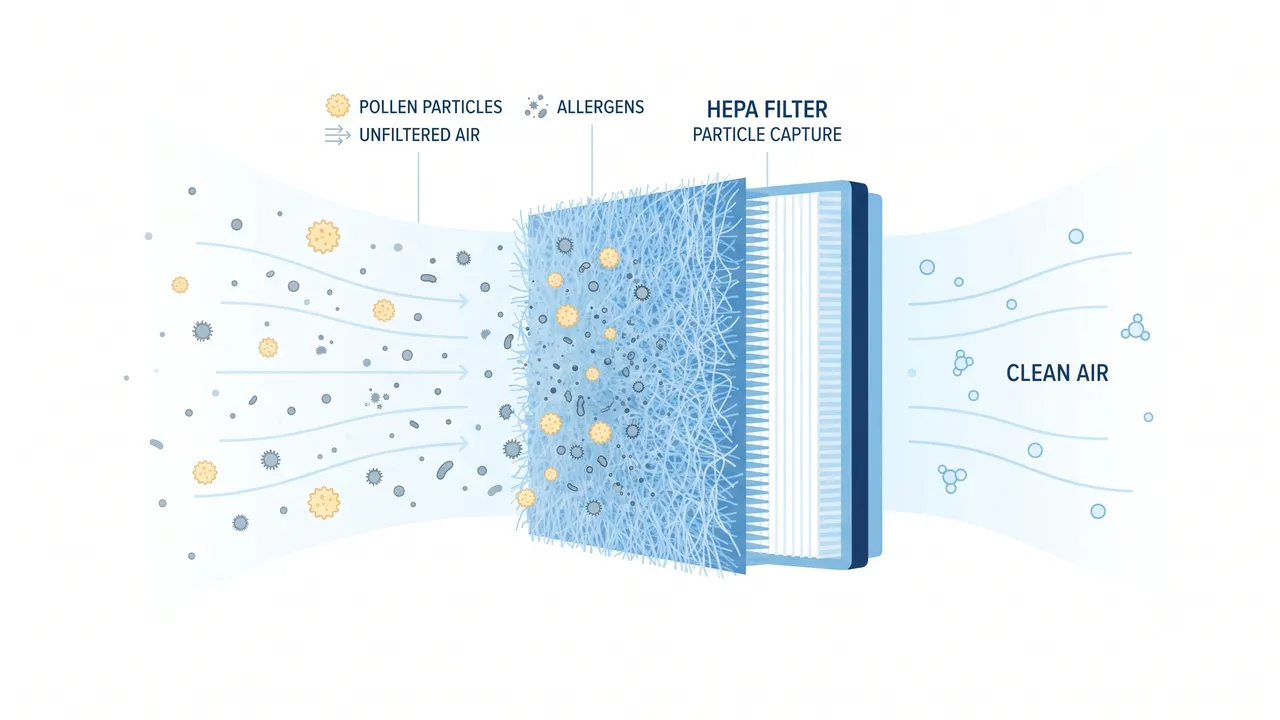
The evidence: do air purifiers actually help?
Yes, but only if they’re properly sized and used correctly. A 2018 meta-analysis published in the Journal of Asthma and Allergy reviewed 10 randomized controlled trials and found that HEPA air purifiers reduced allergy symptoms by a statistically significant margin compared to placebo (sham) filters. The average improvement in symptom scores was around 18-25%.
A separate 2020 study in the journal Indoor Air specifically tested air purifiers in the bedrooms of children with asthma. The study found that HEPA filtration reduced PM2.5 by 41% and was associated with a 19% reduction in asthma-related emergency department visits over the 12-month study period.
However, these studies all have a common thread: the benefits were observed when purifiers were run continuously in the bedroom. Intermittent use or placement in rooms where the patient didn’t spend significant time showed no measurable benefit.
Not sure what size purifier you need for your bedroom? Use our room size calculator to find the right CADR.
What triggers allergies and asthma indoors
Particulate allergens (captured by HEPA)
- Dust mite feces, The primary allergen from dust mites, which peak in humid conditions. Learn more about dust mite allergies and air purifiers.
- Pet dander, Microscopic skin flakes from cats, dogs, and other pets. Cat allergens (Fel d 1) can remain airborne for hours.
- Pollen, Enters through open windows and on clothing. Tree pollen peaks in spring, grass in summer, ragweed in fall.
- Mold spores, Thrive in damp areas and circulate through the air. Read our mold prevention guide for more.
Non-particulate triggers (not captured by standard HEPA)
- VOCs from cleaning products, These require activated carbon filtration. Learn more about VOCs and formaldehyde.
- Fragrances and air fresheners, Common asthma triggers that HEPA doesn’t address.
- Dry air, Low humidity irritates airways. Requires a humidifier, not a purifier.
The best purifiers for allergies and asthma
Here’s a quick comparison:
| Purifier | Price | CADR (Dust/Smoke/Pollen) | Best For | Ionizer |
|---|---|---|---|---|
| Winix 5500-2 | $159 | 246/240/250 | Overall allergies | Switchable |
| Coway AP-1512HH | $189 | 246/240/233 | Pet allergies | Switchable |
| Levoit Core 300 | $89 | 141/140/145 | Budget/small rooms | None |
| IQAir HealthPro Plus | $899 | 300/300/300 | Severe asthma | None |
Best overall: Winix 5500-2 ($159)
The Winix 5500-2 is specifically strong for allergy and asthma management because:
- Its true HEPA filter captures 99.97% of airborne allergens
- The washable carbon filter reduces VOC triggers from cleaning products
- PlasmaWave technology can be toggled off for those sensitive to any ionization
- Its auto mode responds to real-time particle detection, ramping up when allergens spike (e.g., when you make the bed or when pets are active)
- CADR of 250 for pollen is the highest in this price range
Drawback: Bulky design. No WiFi or app control. Read our detailed comparison with Blueair for more.
Best for pet allergies: Coway Airmega AP-1512HH ($189)
Coway’s AP-1512HH has a particularly effective pre-filter that captures pet hair and larger dander particles before they reach the HEPA filter. The air quality indicator light (blue/purple/red) provides visual feedback that’s useful during allergy season. You can see at a glance if pollen levels are elevated.
Drawback: Filter costs are higher ($35-40). The design is functional but dated. See our Coway vs Levoit comparison for more details.
Best for dust mite allergies: Levoit Core 400S ($189)
Dust mite allergies require high CADR because mite allergens are constantly being resuspended from bedding and carpets. The Levoit Core 400S delivers a smoke CADR of 403. Enough for a large master bedroom with 4.8+ ACH. Its high airflow also helps capture allergens before they settle on surfaces.
Drawback: Some batches have ionizer issues. Read our Levoit Core 400S review for the full details.
Best for severe asthma: IQAir HealthPro Plus ($899)
For people with moderate to severe asthma, the IQAir’s medical-grade filtration provides peace of mind that consumer-grade purifiers can’t match. The V5-Cell gas filter captures VOCs that can trigger asthma attacks, and the HyperHEPA filter captures ultrafine particles that standard HEPA media might miss. A 2019 Italian study found that IQAir filtration in classrooms led to a 33% reduction in asthma-related school absences.
Drawback: The price. At $899, it’s 5x the cost of the Coway. But for severe asthma, the medical-grade filtration is worth the investment.
Best budget option: Levoit Core 300 ($89)
If you’re on a tight budget, the Levoit Core 300 captures 99.97% of allergens at a fraction of the price. CADR of 141 for dust is adequate for rooms up to 200 sq ft. It’s quiet (24 dB on low) and filter replacements cost only $25-30.
Drawback: No WiFi, no app, no PM2.5 display. Basic but effective. Read our budget air purifier guide for more options.
Placement strategy for allergy sufferers
- Bedroom first, always. You spend 25-33% of your life in bed. A purifier running on auto in the bedroom delivers the highest ROI for allergy symptom reduction. Read our placement guide for specific tips.
- Living room second. If you have a second unit, this is where it goes.
- Keep the door closed during peak allergy seasons to prevent outdoor pollen from entering the clean zone.
- Place the purifier at least 36 inches above the floor if possible. Many allergens settle, but the ones that stay airborne longer (cat dander, ultrafine particles) are easier to capture from mid-level airflow.
What else you should do
An air purifier is one tool, not a complete solution. For maximum allergy and asthma control:
- Vacuum with a HEPA-filtered vacuum twice weekly (standard vacuums just redistribute fine particles)
- Wash bedding in hot water (130F+) weekly to kill dust mites
- Use allergen-proof mattress and pillow encasements
- Keep indoor humidity below 50% to suppress dust mite and mold growth
- Remove shoes at the door to avoid tracking pollen through the house
- Brush pets outdoors when possible and bathe them weekly during allergy season
The difference between “allergy relief” and “symptom elimination”
If you’re expecting an air purifier to eliminate allergy symptoms, you’re setting yourself up for disappointment. What the research actually shows: HEPA purifiers in the bedroom reduce allergy symptom scores by 18-25% on average. That’s meaningful. It’s the difference between needing antihistamines daily versus only on high-pollen days. But it’s not a cure.
The people who see the biggest improvement are those with primarily indoor allergies (dust mites, pet dander, mold) who run the purifier 24/7 in the bedroom with the door closed. The people who see the least improvement are those with primarily outdoor allergies (pollen) who run the purifier intermittently and keep windows open during the day. The purifier can’t keep up with a constantly renewed supply of pollen blowing in through open windows.
If you’re buying for allergies, commit to running the purifier 24/7 in the bedroom for at least 4 weeks before evaluating. The inflammatory response to allergens has a multi-day lag. You won’t wake up after one night with a purifier and feel dramatically different. Give it a month.
Filter replacement for allergy sufferers
Allergy sufferers should replace filters more often than average users:
| User Type | Filter Replacement | Pre-filter Cleaning |
|---|---|---|
| Average user | Every 8-12 months | Monthly |
| Mild allergies | Every 6-8 months | Every 2 weeks |
| Severe allergies | Every 4-6 months | Weekly |
| Pet owners with allergies | Every 3-4 months | Weekly |
Clogged filters reduce airflow and can release captured allergens back into the air. Don’t wait for the filter indicator light. Check your filter monthly during allergy season.
Learn more about filter replacement costs and schedules.
Noise levels for bedroom use
For allergy sufferers who run the purifier in the bedroom, noise matters:
| Purifier | Sleep Mode | Low | Medium | High |
|---|---|---|---|---|
| Winix 5500-2 | 28 dB | 33 dB | 40 dB | 53 dB |
| Coway AP-1512HH | 24 dB | 30 dB | 40 dB | 53 dB |
| Levoit Core 300 | 24 dB | 30 dB | 38 dB | 50 dB |
| IQAir HealthPro Plus | 25 dB | 32 dB | 42 dB | 57 dB |
For light sleepers, the Coway and Levoit are the quietest on sleep mode (24 dB). The Winix is slightly louder (28 dB) but still quiet enough for most people.
Total cost of ownership
| Purifier | Upfront | Filters (3yr) | Electricity (3yr) | Total |
|---|---|---|---|---|
| Levoit Core 300 | $95 | $135 | $90 | $320 |
| Winix 5500-2 | $140 | $100 | $100 | $340 |
| Coway AP-1512HH | $170 | $120 | $100 | $390 |
| IQAir HealthPro Plus | $899 | $200 | $120 | $1,219 |
The IQAir is 3-4x more expensive over 3 years. But for severe asthma, the medical-grade filtration may be worth the cost. For mild to moderate allergies, the Winix or Coway offer the best balance of performance and price.
Calculate your exact electricity cost based on your local rate.
Common mistakes allergy sufferers make
Running the purifier intermittently. Air purifiers work by continuous cleaning. Running it only when you feel symptoms means the allergens have already built up. Run it 24/7 on medium or auto.
Keeping windows open. An air purifier can’t compete with an open window during pollen season. Keep windows closed and the purifier running for best results.
Ignoring humidity. Dust mites thrive in humidity above 50%. Use a dehumidifier alongside your purifier if you live in a humid climate. Learn more about humidity and air purifiers.
Not cleaning the pre-filter. The pre-filter catches large particles like pet hair and dust bunnies. If you don’t clean it regularly, it clogs and reduces airflow to the HEPA filter.
Buying a purifier that’s too small. A purifier rated for 200 sq ft won’t effectively clean a 400 sq ft bedroom. Size up, not down. Check your room size to be sure.
Seasonal allergy tips
Spring (tree pollen): Keep windows closed. Run the purifier on high when you get home. Shower before bed to remove pollen from hair and skin.
Summer (grass pollen): Same as spring. Also brush pets outdoors before they come inside.
Fall (ragweed): Ragweed season is the worst for many allergy sufferers. Run the purifier 24/7 and consider adding a second unit in the living room.
Winter (indoor allergens): Dust mites and pet dander are the main triggers. Keep humidity below 50% and wash bedding weekly in hot water.
Read our seasonal allergy guide for more detailed tips.
When to see a doctor
An air purifier is not a substitute for medical treatment. See an allergist if:
- Your symptoms persist despite using an air purifier and other measures
- You experience asthma attacks or difficulty breathing
- You need antihistamines more than 3 days per week
- Your symptoms interfere with sleep or daily activities
- You’ve never been tested for specific allergens
An allergist can identify your specific triggers and recommend targeted treatment, including immunotherapy (allergy shots) that can provide long-term relief.
Related Articles
- Best Air Purifier for Nursery
- How to Choose an Air Purifier
- 7 Air Purifier Myths Debunked
- MOOKA Air Purifier Review 2026
Frequently Asked Questions
How long does it take for an air purifier to help with allergies?
Most people notice improvement within 24-48 hours of continuous operation. For maximum benefit, run the purifier 24/7 on medium. It takes about 30-60 minutes to complete one full air change in a typical bedroom.
Do air purifiers help with dust mites?
Yes, HEPA purifiers capture airborne dust mite allergens (feces and body fragments). However, dust mites also live in bedding, carpets, and upholstery. Combine air purification with allergen-proof mattress and pillow covers for best results.
Should I run the air purifier with windows open?
No, for allergy relief keep windows closed during high pollen days. The purifier works by cleaning the air already in the room—open windows introduce new allergens. Use the purifier’s air quality sensor (if available) to monitor when to ventilate.
Can air purifiers make allergies worse?
Only if they produce ozone (ionizers, some UV-C models). Ozone is a respiratory irritant that can worsen allergy symptoms. Choose only True HEPA mechanical filtration without ionizers. If you notice increased symptoms, check if your purifier has an ionizer feature and disable it.
Where should I place the air purifier for allergies?
Place it in the bedroom (where you spend 7-9 hours) near the bed but not blowing directly on you. Avoid corners and curtains that block airflow. For severe allergies, consider a second unit in the living room or home office.
Disclosure: We may earn a commission from qualifying purchases. Our analysis is based on peer-reviewed studies and AHAM certification data.
Support This Guide
Helpful? Add The Air Purifier Guide as a preferred source on Google so our guides show up in your search results.
Related Articles
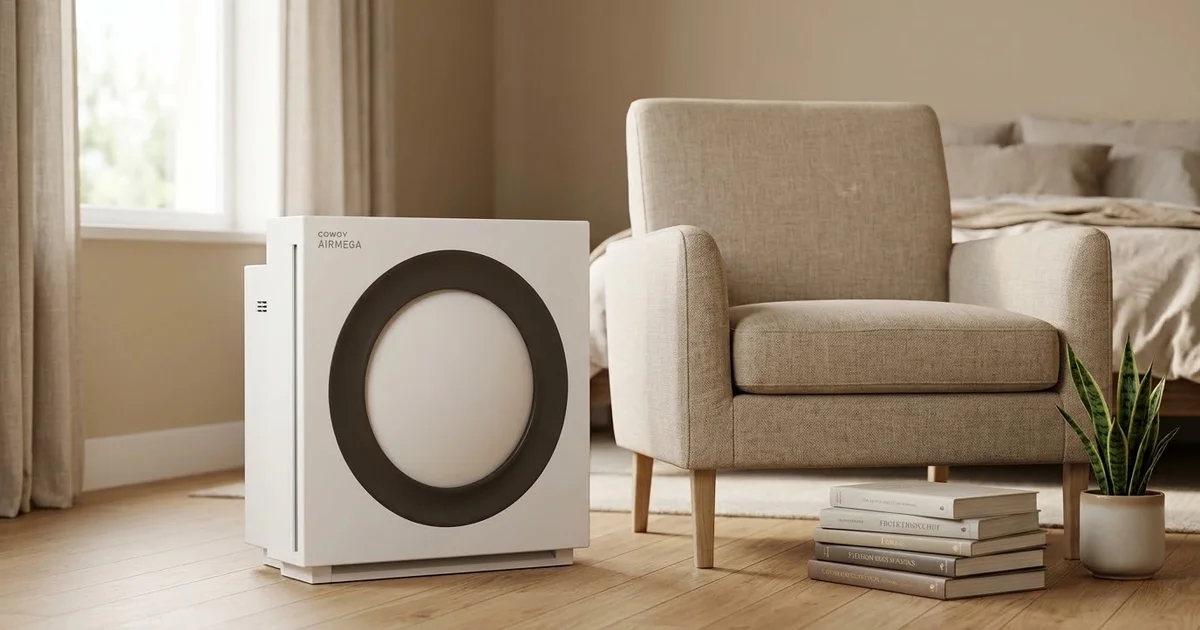
Coway Mighty2 vs AP-1512HH (2026)
Coway's Mighty2 replaced the AP-1512HH as Wirecutter's top pick. We compare CADR, noise, sensors, filter costs, and whether the older unit is still the smarter buy.
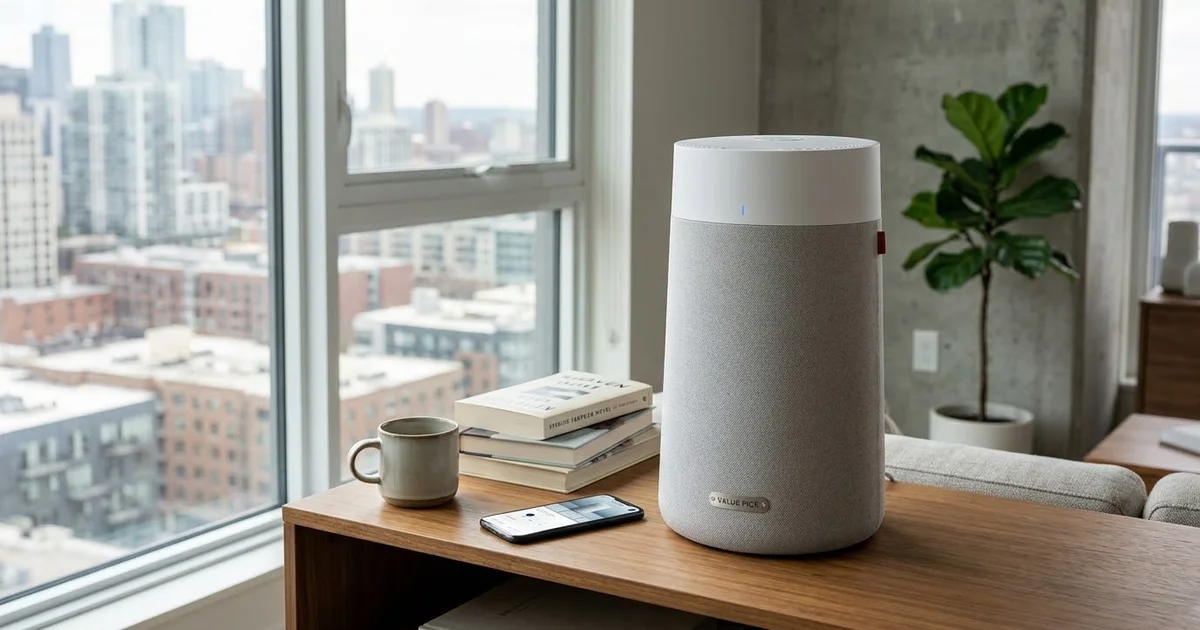
KNKA APH4000 Review: $150 Dark Horse
KNKA's APH4000 is one of Amazon's best-selling purifiers at $150. We check the AHAM certification, decode the 1,695 sq ft claim, and compare it to Levoit and Coway.
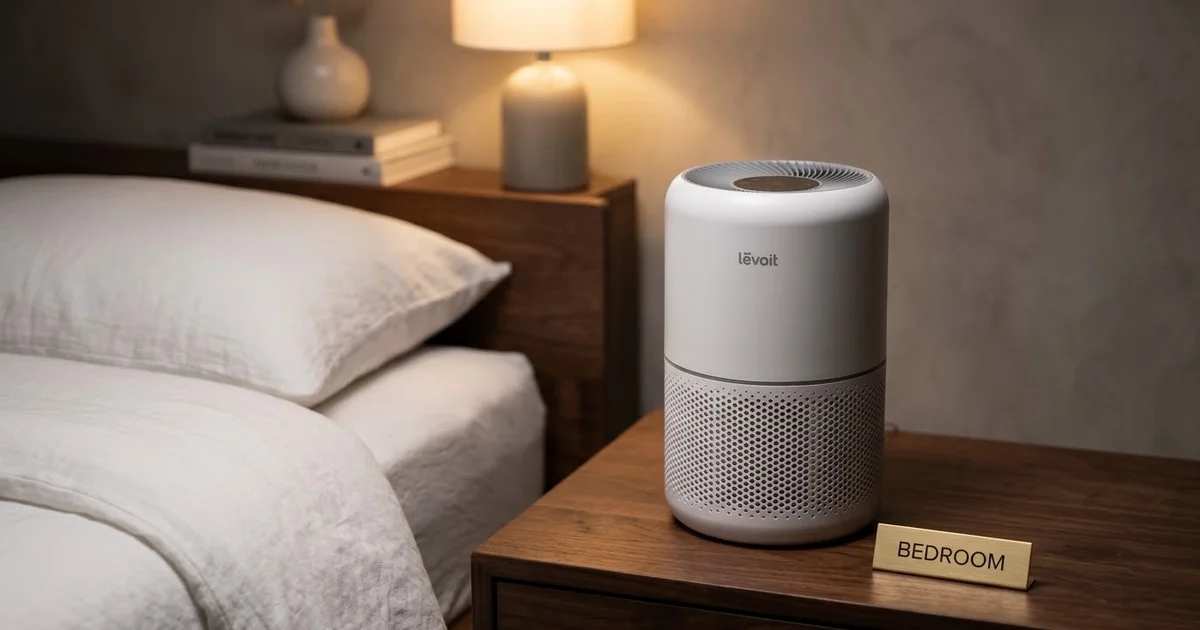
Levoit Core 300 vs 300-P: What Changed
Levoit quietly replaced the Core 300 with the Core 300-P. We explain the AHAM certification, whether filters still fit, and which one you should actually buy.
Shark NeverChange HP302 Review
Shark's NeverChange HP302 promises 5 years on one filter. We dig into the real running costs, the odor neutralizer catch, and whether it beats cheaper rivals.
Winix 5510 vs 5500-2: 2026 Verdict
The Winix 5500-2 is discontinued and the 5510 takes over. We compare CADR, noise, filter costs, and the one compatibility problem nobody mentions.
🛒 Products Mentioned
As an Amazon Associate, we earn from qualifying purchases.
Covers indoor air quality science, respiratory health, allergy management, and wildfire smoke protection.
View all articles by Sarah →