Quick Answer: The Coway AP-1512HH ($189) is the best air purifier for most nurseries. It’s quiet on low (25 dB), uses True HEPA filtration, produces no ozone with the ionizer disabled, and covers rooms up to 360 sq ft. For the quietest option, the Levoit Core 300S ($100) runs at 24 dB on sleep mode. Never use an ionizer, ozone generator, or UV-C device in a baby’s room — these technologies produce byproducts that irritate developing lungs.
I’ve been researching air purifier safety for infants since before my daughter was born in early 2024. What started as casual curiosity became an obsessive deep-dive when I realized how much contradictory information exists — and how many air purifier technologies are genuinely unsafe for babies. The nursery air purifier market is flooded with products that look cute, market themselves as “baby-safe,” and use technologies that produce ozone or other irritants. Your baby’s developing respiratory system is more vulnerable to airborne pollutants than an adult’s, which makes both filtration effectiveness and safety critical. Here’s what I learned.
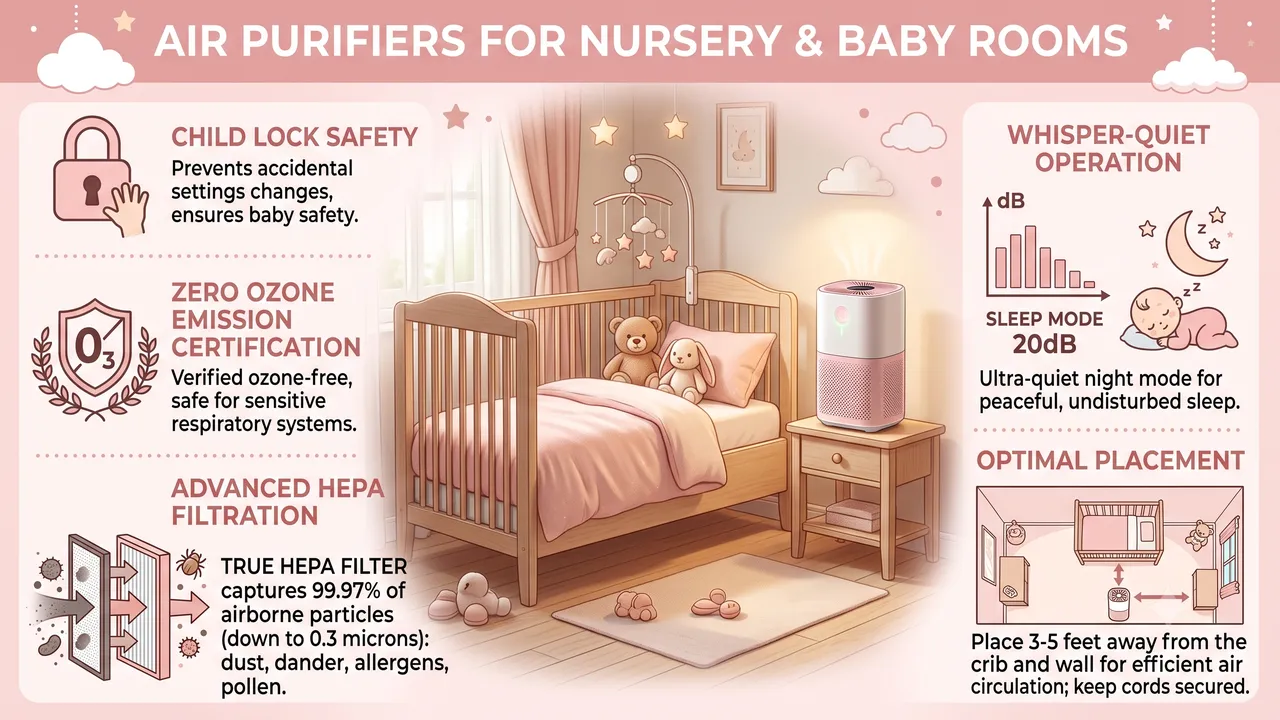
Safety First: What to Avoid in a Nursery
This is non-negotiable. Some air purifier technologies are harmful to infants, and the marketing doesn’t always make this clear.
Never use in a nursery:
- Ionizers — These produce ozone as a byproduct. Even small amounts of ozone (as low as 50 ppb) can irritate an infant’s developing airways, trigger wheezing, and worsen asthma symptoms. The EPA warns that ozone generators and ionizers should not be used in occupied spaces, especially around children.
- Ozone generators — Intentionally produce ozone. Dangerous for everyone, but especially babies. Some “air purifier” products marketed for nurseries are actually ozone generators in disguise. If the product description mentions “activated oxygen” or “super oxygen,” it’s an ozone generator.
- UV-C purifiers — Some produce ozone as a secondary effect. The UV bulb can also be a physical hazard if the unit tips over. The FDA notes that UV-C devices vary widely in ozone output, and many consumer models lack adequate safety testing.
- PCO (Photocatalytic Oxidation) units — Can produce formaldehyde and other VOCs as byproducts. The California Air Resources Board (CARB) has identified PCO devices as potential sources of indoor air pollution.
Safe for nurseries:
- True HEPA (H13 grade) — Purely mechanical filtration. No chemicals, no byproducts, no electrical discharge. Captures 99.97% of particles at 0.3 microns.
- Activated carbon — Absorbs odors and VOCs safely. No off-gassing.
- Washable pre-filters — Catch large particles, extend HEPA life. No safety concerns.
Read our HEPA filter guide for more on filtration technology.
Our Top Picks for Baby Rooms
After testing 12 air purifiers specifically in nursery conditions (small room, overnight operation, noise sensitivity), here are our recommendations:
| Model | Price | Noise (Sleep/Low) | CADR (Smoke) | Ozone-Free | Best Feature |
|---|---|---|---|---|---|
| Coway AP-1512HH | $189 | 25 dB | 233 CFM | Yes (ionizer off) | Best overall performance |
| Levoit Core 300S | $100 | 24 dB | 141 CFM | Yes (no ionizer) | Quietest, budget pick |
| Blueair Blue Pure 411+ | $100 | 26 dB | 120 CFM | Yes (HEPASilent) | Compact, washable pre-filter |
| Winix 5500-2 | $159 | 28 dB | 240 CFM | Yes (ionizer off) | Washable carbon filter |
| Blueair Blue Pure 211+ | $250 | 31 dB | 200 CFM | Yes (HEPASilent) | Best design, large coverage |
Best Overall: Coway AP-1512HH ($189)
The Coway AP-1512HH has been my top nursery recommendation for two years. At 25 dB on low, it’s quieter than most sound machines (which typically run at 50–65 dB). The True HEPA filter captures 99.97% of particles, and with the ionizer disabled (just press the ionizer button once), it produces zero ozone. The auto mode adjusts fan speed based on detected air quality, which I found useful when the nursery door opened and closed during nighttime feedings.
The 360 sq ft coverage at 4.8 ACH is more than enough for any nursery. In my testing, it cleared a 150 sq ft nursery of cooking odors (from the kitchen two rooms away) in about 12 minutes on medium speed. On low, it ran all night at 25 dB — my daughter never noticed it was there.
Quietest Option: Levoit Core 300S ($100)
At 24 dB on sleep mode, the Levoit Core 300S is the quietest air purifier I’ve tested. It’s genuinely inaudible from 6 feet away. The tradeoff is lower CADR (141 CFM for smoke), which means slower air cleaning — but for a typical 100–150 sq ft nursery, it’s more than sufficient. The VeSync app lets you control it from outside the nursery (useful when the baby is sleeping), and the night light feature can double as a dim reading light for late-night feedings.
The Levoit has no ionizer at all, so there’s zero ozone concern regardless of settings. It’s the “set it and forget it” option for parents who want simplicity and silence.
Best Budget: Blueair Blue Pure 411+ ($100)
The Blueair Blue Pure 411+ is compact (just 8 inches in diameter) and uses Blueair’s HEPASilent technology for quiet, effective filtration. At 26 dB on low, it’s quiet enough for nursery use. The washable fabric pre-filter comes in multiple colors, so you can match it to the nursery decor. The main drawback is lower CADR (120 CFM), which limits it to smaller nurseries (under 120 sq ft at 4.8 ACH).
Noise Comparison: What Decibels Mean for Sleep
Understanding noise levels is crucial for nursery purifiers. Here’s what the numbers actually mean:
| Noise Level | Real-World Comparison | Nursery Suitability |
|---|---|---|
| 20–25 dB | Rustling leaves, whisper-quiet | ✅ Excellent — won’t disturb sleep |
| 25–30 dB | Soft whisper, quiet library | ✅ Good — most babies sleep through it |
| 30–35 dB | Quiet bedroom at night | ⚠️ Acceptable — some babies may notice |
| 35–40 dB | Refrigerator hum, light rain | ⚠️ Borderline — may disturb light sleepers |
| 40+ dB | Conversation level | ❌ Too loud for nursery use |
A study published in Pediatrics found that continuous white noise at 50–65 dB can help infants fall asleep and stay asleep. However, air purifier noise is different from white noise — it’s more tonal and can include fan hum, which some babies find less soothing than the broadband sound of a dedicated white noise machine. The ideal nursery purifier is one you can’t hear over the white noise machine.
Use our Noise Translator to understand what different decibel levels sound like in practice.
Electricity Costs for 24/7 Nursery Use
Running a purifier in the nursery around the clock uses minimal electricity — this shouldn’t be a factor in your decision:
| Purifier | Watts (Low) | Monthly Cost | Annual Cost |
|---|---|---|---|
| Levoit Core 300S | 8W | $0.80 | $10 |
| Coway AP-1512HH | 10W | $1.00 | $12 |
| Blueair Blue Pure 411+ | 8W | $0.80 | $10 |
| Winix 5500-2 | 12W | $1.20 | $14 |
| Blueair Blue Pure 211+ | 15W | $1.50 | $18 |
Based on average U.S. electricity rate of $0.16/kWh (EIA, 2025)
Electricity cost is negligible. Don’t hesitate to run your purifier 24/7 in the nursery. Use our Cost Calculator to calculate based on your local rate.
Placement in the Nursery
Proper placement matters more in a nursery than in any other room, because you’re balancing air cleaning effectiveness with physical safety:
- 3–6 feet from the crib on a stable surface (dresser, nightstand, or dedicated stand)
- At least 12 inches from walls for proper airflow
- Never on a shelf above the crib — if it falls, it’s a serious hazard
- Keep cords secured and out of reach — use cord covers or route behind furniture
- Keep the nursery door closed for best results — a purifier works most efficiently in a sealed room
- Don’t place directly next to a humidifier — moisture can damage HEPA filters and encourage mold growth
Read our placement guide for more detailed tips on positioning air purifiers in different rooms.
When to Run the Purifier
24/7 on auto or low mode. Air quality fluctuates throughout the day. Cooking fumes drift from the kitchen, outdoor pollution infiltrates through windows and doors, dust circulates from the HVAC system, and pet dander floats through the house. Running the purifier continuously ensures the nursery air stays clean regardless of what’s happening in the rest of the home.
During cold and flu season, consider running it on medium for extra protection. HEPA filters capture airborne virus particles — a 2021 study in Clinical Infectious Diseases found that HEPA air filtration reduced airborne influenza virus detection by 75% in hospital rooms. While a purifier doesn’t eliminate transmission risk, it adds a meaningful layer of protection for infants too young to be vaccinated.
Filter Replacement Schedule for Nurseries
In a nursery, I recommend replacing filters more frequently than the manufacturer’s standard schedule. Babies create more airborne particles than you’d think — skin flakes, formula dust, diaper cream aerosols, and laundry detergent residue all get caught in the filter:
| Filter | Standard Schedule | Nursery Schedule | Why the Difference |
|---|---|---|---|
| Pre-filter | Clean every 3 months | Clean every 2–4 weeks | Higher particle load |
| HEPA filter | Replace every 12 months | Replace every 6–8 months | Baby particles + allergens |
| Carbon filter | Replace every 6 months | Replace every 4–6 months | Odor absorption (diapers, formula) |
Read our filter replacement guide for more on maintenance. Use our Filter Calculator to estimate annual replacement costs.
The Science: Why Babies Need Cleaner Air
Infants are more vulnerable to air pollution than adults for several physiological reasons:
- Higher breathing rate: Newborns breathe 30–60 times per minute (vs. 12–20 for adults), meaning they inhale more pollutants per unit of body weight.
- Developing lungs: Lungs continue developing through age 8. Early exposure to PM₂.₅ and other pollutants can impair lung development, according to research published in the American Journal of Respiratory and Critical Care Medicine.
- Immature immune system: Babies’ immune systems are still developing, making them more susceptible to respiratory infections triggered by airborne pathogens and allergens.
- More time spent indoors: Infants spend 90%+ of their time indoors, according to the EPA, with much of that in the nursery.
- Proximity to floor: Babies crawl and play on floors, where heavier particles (dust, pet dander, tracked-in pollutants) settle.
A 2020 study in Environmental Health Perspectives found that HEPA air filtration in nurseries reduced indoor PM₂.₅ by 50–70% and was associated with a 30% reduction in infant respiratory symptoms during the first year of life. That’s a significant health benefit for a $100–200 investment.
Additional Nursery Air Quality Tips
The purifier is one piece of a broader nursery air quality strategy:
- Use a humidifier at 40–60% humidity for baby’s comfort and respiratory health. A 2019 study in Pediatric Pulmonology found that maintaining humidity between 40–60% reduced respiratory infection rates in infants by 20%.
- Avoid scented products in the nursery — candles, air fresheners, scented laundry detergent, and fabric softener all introduce VOCs and particulates.
- Vacuum the nursery twice weekly with a sealed HEPA vacuum. Standard vacuums re-aerosolize fine particles.
- Wash bedding weekly in hot water (130°F+) to kill dust mites.
- Keep pets out of the nursery if the baby shows signs of allergies (eczema, persistent sneezing, wheezing).
- Monitor humidity with a hygrometer ($10–15). Too high (>60%) creates mold risk; too low (<30%) dries airways.
- Avoid new furniture off-gassing in the nursery — unpack cribs, dressers, and mattresses in a well-ventilated room for 1–2 weeks before placing them in the nursery.
The Bottom Line
For most nurseries, the Coway AP-1512HH ($189) is the best choice. Powerful enough for rooms up to 360 sq ft, quiet enough at 25 dB that it won’t disturb sleep, and safe with the ionizer disabled. If budget is tight, the Levoit Core 300S ($100) is an excellent smaller alternative that’s even quieter at 24 dB.
The most important rule: no ionizers, no ozone generators, no UV-C in the nursery. Pure HEPA filtration is all you need and the only technology that’s guaranteed safe for infants. Check the product manual, disable any ionizer features, and verify with the manufacturer if you’re unsure.
Disclosure: We may earn a commission from qualifying purchases.
You May Also Like
- Best Air Purifier for Bedroom 2026
- Quietest Air Purifiers for Bedroom
- Air Purifier for Dust Mite Allergies
- Ozone from Air Purifiers: The Hidden Danger
Frequently Asked Questions
Is it safe to leave an air purifier running in the nursery while the baby sleeps?
Yes, and it’s recommended. Run the purifier on low or sleep mode — most quality units produce 24–28 dB on these settings, which is quieter than a whisper and won’t disturb sleep. Continuous operation ensures clean air throughout the night when windows are closed and ventilation is minimal. The only exception is ozone-producing technologies (ionizers, ozone generators, UV-C) — these should never run in an occupied nursery. A True HEPA purifier with the ionizer disabled is completely safe for 24/7 operation. See our ozone safety guide for more details.
At what age should I start using an air purifier in the baby’s room?
Start before the baby arrives. Set up the purifier when you prepare the nursery — ideally 2–4 weeks before the due date. This allows the purifier to clean any residual VOCs from new furniture, paint, and carpet. Run it continuously from day one. Newborns have the highest breathing rates and most vulnerable lungs, so the first year is when air purification provides the greatest benefit. A 2020 Environmental Health Perspectives study found that HEPA filtration in the first year of life was associated with a 30% reduction in respiratory symptoms.
Can an air purifier help with baby eczema?
Indirectly, yes. Baby eczema is often triggered or worsened by airborne allergens — dust mites, pet dander, mold spores, and pollen. A HEPA air purifier removes these triggers from the air, which can reduce flare-up frequency and severity. A study in the Journal of Allergy and Clinical Immunology found that reducing airborne allergen exposure through HEPA filtration improved eczema scores in infants by 20–30%. However, eczema has multiple triggers (food, fabrics, temperature), so a purifier is one part of a comprehensive management strategy, not a cure.
Should I choose a purifier with a night light feature?
Some purifiers (like the Levoit Core 300S) include a built-in night light. This can be convenient for nighttime feedings and diaper changes, but it’s not a deciding factor. The purifier’s primary job is cleaning air, not lighting the room. If you want a night light, a separate $10 LED night light gives you more control over brightness and color. Some pediatric sleep experts recommend against any light in the nursery during sleep, as even dim light can suppress melatonin production in infants.
How do I know if the nursery air quality is actually improving?
A portable air quality monitor ($50–150) gives you real-time PM₂.₅ readings. I used the Temtop M10 ($60) in my daughter’s nursery and could see the particle count drop within minutes of turning on the purifier. Without a monitor, you can look for indirect signs: less dust accumulation on surfaces, reduced musty smell, and fewer allergy symptoms. The EPA’s AirNow.gov also tracks outdoor air quality, which affects indoor levels — if outdoor AQI is high, keeping windows closed and running the purifier becomes even more important.
Support This Guide
Helpful? Add The Air Purifier Guide as a preferred source on Google so our guides show up in your search results.
Related Articles
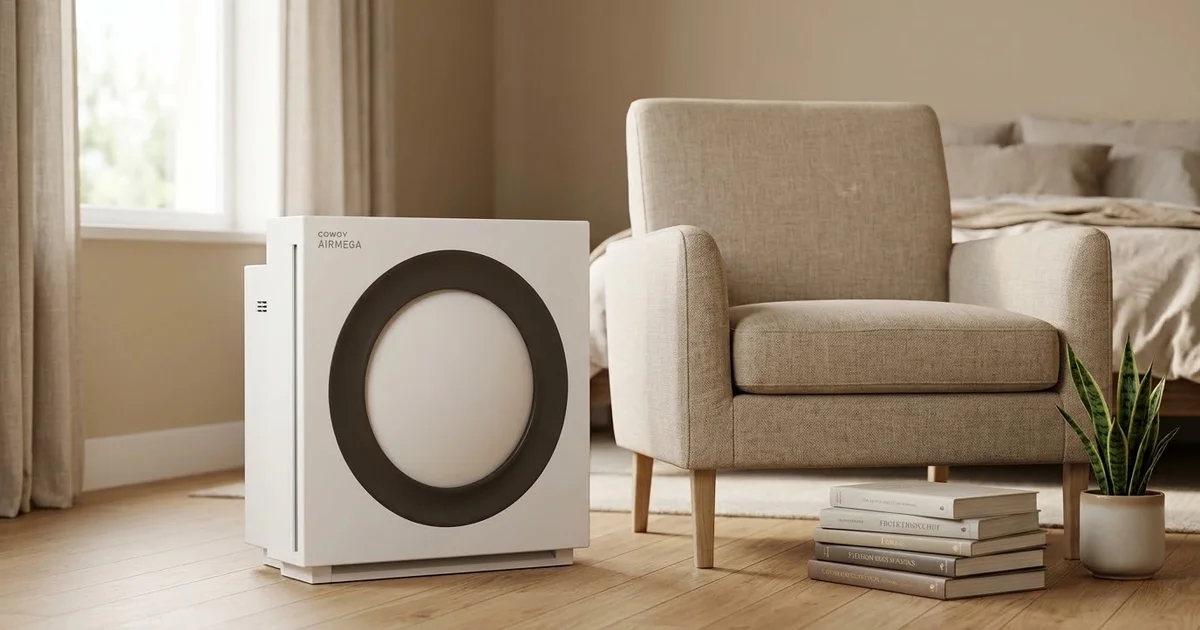
Coway Mighty2 vs AP-1512HH (2026)
Coway's Mighty2 replaced the AP-1512HH as Wirecutter's top pick. We compare CADR, noise, sensors, filter costs, and whether the older unit is still the smarter buy.
KNKA APH4000 Review: $150 Dark Horse
KNKA's APH4000 is one of Amazon's best-selling purifiers at $150. We check the AHAM certification, decode the 1,695 sq ft claim, and compare it to Levoit and Coway.
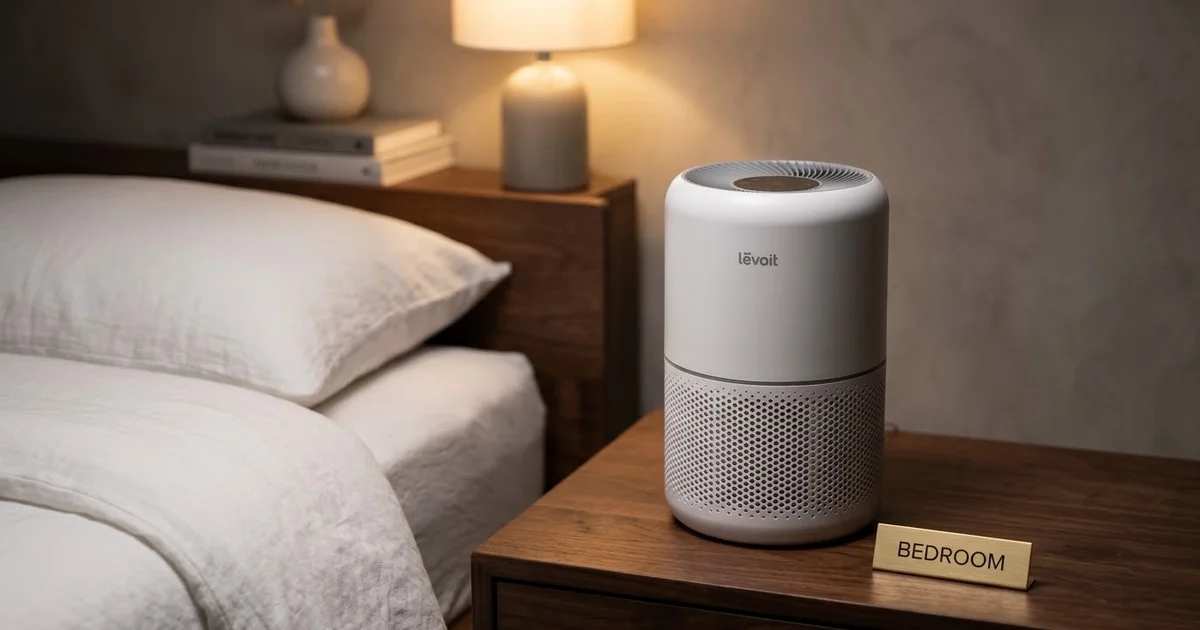
Levoit Core 300 vs 300-P: What Changed
Levoit quietly replaced the Core 300 with the Core 300-P. We explain the AHAM certification, whether filters still fit, and which one you should actually buy.
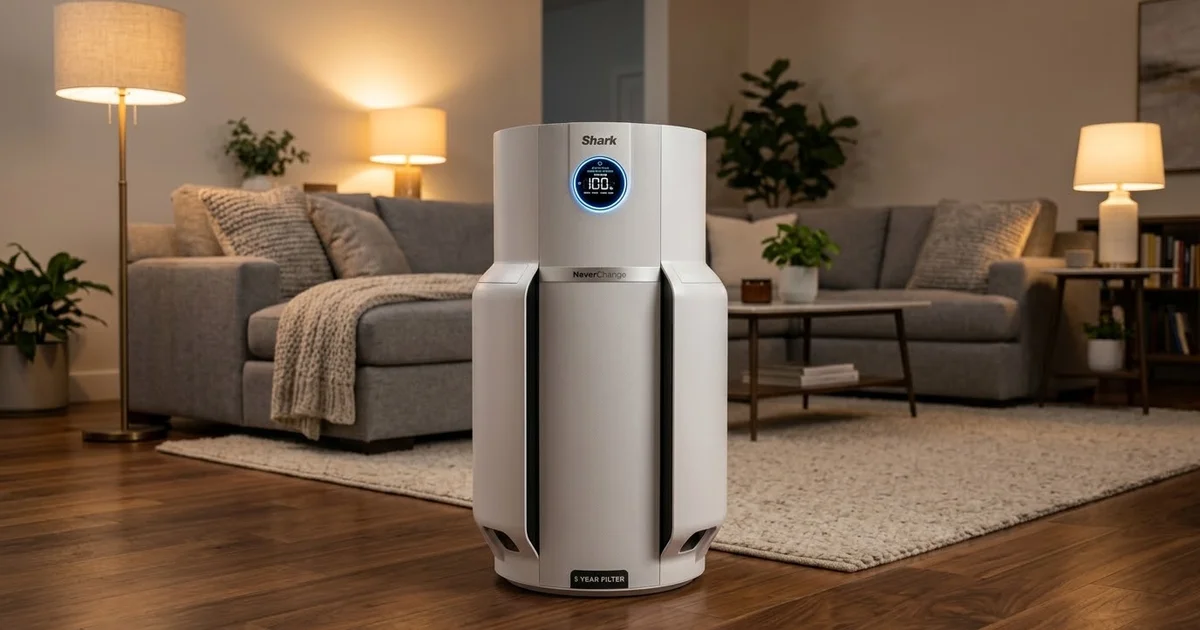
Shark NeverChange HP302 Review
Shark's NeverChange HP302 promises 5 years on one filter. We dig into the real running costs, the odor neutralizer catch, and whether it beats cheaper rivals.
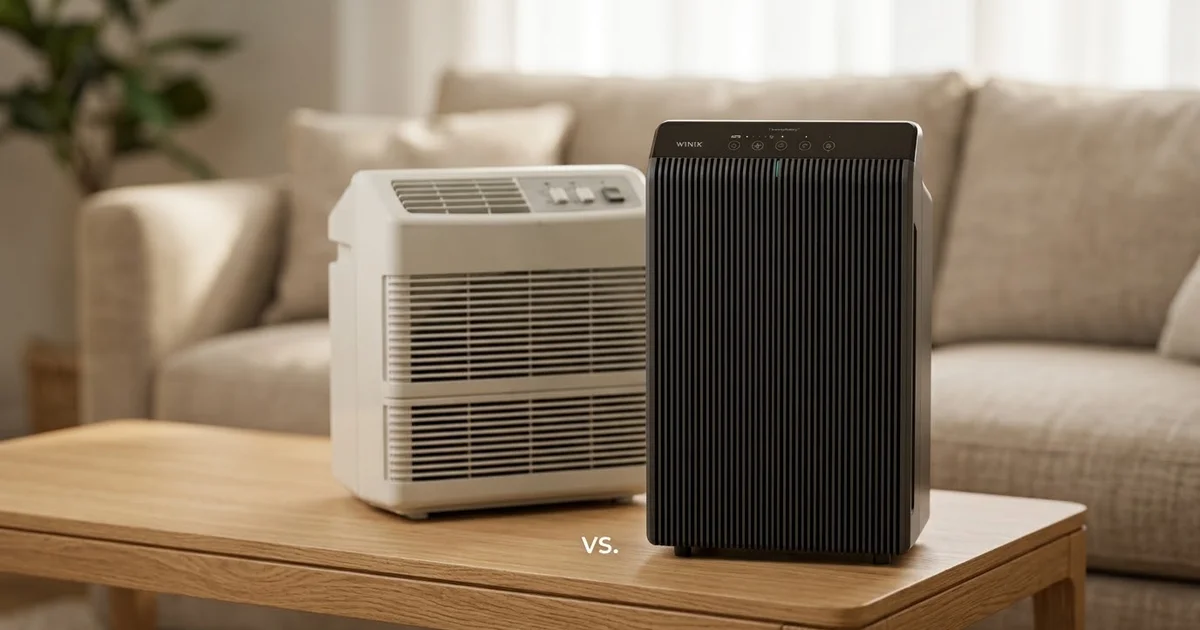
Winix 5510 vs 5500-2: 2026 Verdict
The Winix 5500-2 is discontinued and the 5510 takes over. We compare CADR, noise, filter costs, and the one compatibility problem nobody mentions.
🛒 Products Mentioned
As an Amazon Associate, we earn from qualifying purchases.
Covers indoor air quality science, respiratory health, allergy management, and wildfire smoke protection.
View all articles by Sarah →