The Short Answer: Some air purifiers produce ozone, a lung irritant that can worsen the respiratory problems you bought the purifier to solve. Here’s how to identify ozone-producing purifiers and choose safe…
Editor’s note (September 2026): The Winix 5500-2 has been discontinued and remaining stock is limited. Winix’s official successor is the Winix 5510, which adds app control and uses a new filter. Read our Winix 5510 vs 5500-2 comparison before you buy either one.
It’s a bitter irony: some air purifiers produce ozone, a lung irritant that worsens the very respiratory conditions people buy purifiers to improve. If you’re shopping for an air purifier to manage allergies, asthma, or general indoor air quality, understanding which technologies produce ozone, and how to avoid them, is essential safety knowledge.
This guide covers everything you need to know about ozone from air purifiers: what ozone does to your health, which purifier technologies generate it, how much ozone different devices actually emit, and which safe alternatives deliver clean air without the hidden risk. We also break down the regulatory standards (FDA, CARB, UL) that govern ozone limits and answer the most frequently asked questions on this topic.
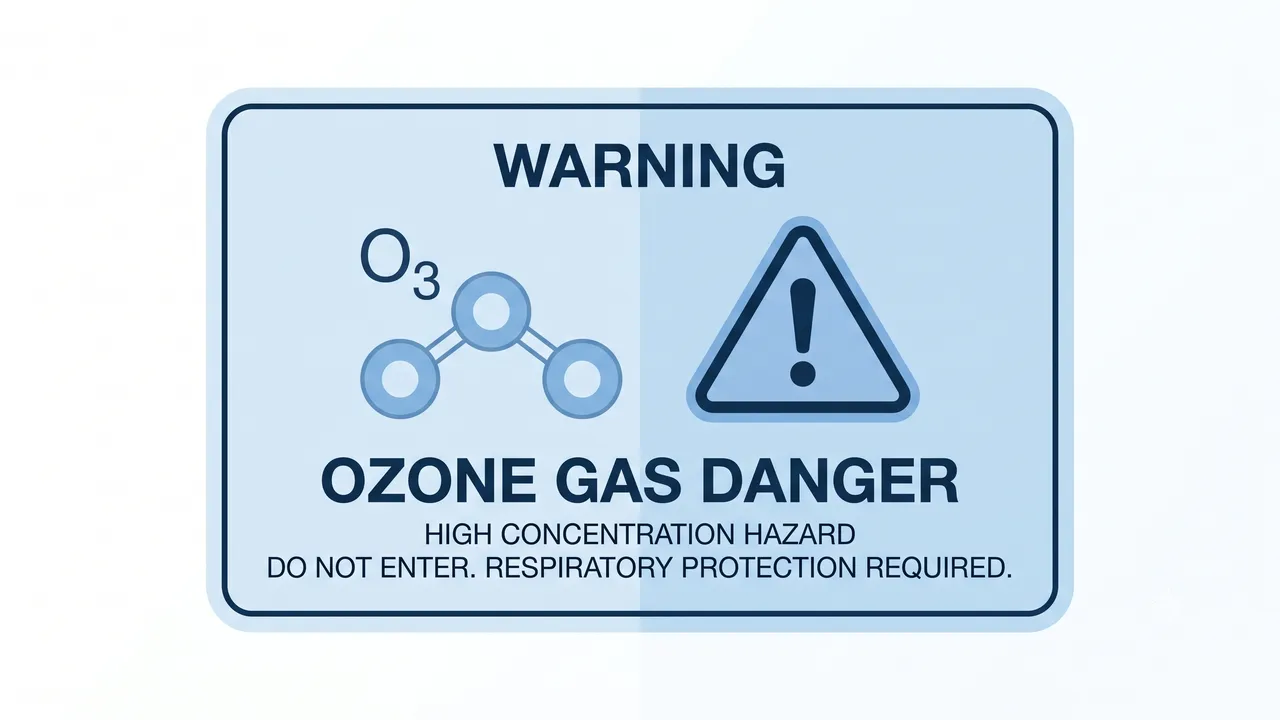
What Ozone Does to Your Lungs
Ozone (O₃) is a reactive gas composed of three oxygen atoms. At ground level, the ozone you’d breathe in your living room, it is a powerful oxidizer that damages lung tissue on contact. The EPA states plainly: “There is no evidence of a safe level of ozone exposure.” Even low-level exposure over weeks and months can cause persistent respiratory inflammation, reduced lung function, and increased susceptibility to respiratory infections.
When ozone enters your airways, it reacts with the epithelial lining fluid that protects your lungs. This reaction generates free radicals and secondary oxidation products that damage the cells lining your respiratory tract. The result is inflammation, airway hyperresponsiveness, and in severe cases, permanent scarring of lung tissue.
Children are particularly vulnerable because their lungs are still developing, they breathe more air per pound of body weight than adults, and they often spend more time being active indoors. Elderly individuals and anyone with pre-existing respiratory conditions like asthma or COPD face heightened risk as well. The American Lung Association recommends against any ozone-producing air cleaning device in homes.
For a deeper look at protecting vulnerable family members, see our guides on air purifiers for allergies and asthma and air purifiers for seniors.
Ozone Output by Purifier Technology
Not all air purifiers produce ozone, and those that do vary enormously in how much they emit. The table below compares the five most common technologies that generate ozone, along with their typical output levels and safety ratings.
| Technology | Typical Ozone Output | Safety Rating |
|---|---|---|
| Ionizer | 10–50 ppb (some exceed 100 ppb) | ⚠️ Moderate Risk, ozone is a direct byproduct of corona discharge; even “ozone-free” models produce trace amounts |
| UV-C (185 nm bulbs) | 10–40 ppb | ⚠️ Moderate Risk, 185 nm wavelength generates ozone; 254 nm germicidal bulbs do not |
| Electrostatic Precipitator | 10–80 ppb | ⚠️ Moderate to High Risk, high-voltage plates produce ozone via corona discharge similar to ionizers |
| PlasmaWave (Winix) | < 10 ppb | ✅ Low Risk, produces hydroxyl radicals at trace ozone levels well below CARB’s 50 ppb limit |
| PECO (Molekule) | < 5 ppb (claimed) | ✅ Low Risk, UV-A light on catalyst; manufacturer claims minimal ozone; limited independent data |
Key takeaway: HEPA-only and activated carbon purifiers produce zero ozone. If ozone output is your primary concern, mechanical filtration is the safest choice by far. For a full comparison of how these technologies perform in other areas like particle removal and VOC reduction, read our air purifier technology comparison.
Health Effects of Ozone Exposure
The health effects of ozone depend on concentration and duration of exposure. The table below summarizes what the medical literature and EPA data show at various concentration levels.
| Ozone Concentration | Exposure Duration | Health Effects |
|---|---|---|
| 5–15 ppb (outdoor ambient) | Continuous | Generally considered safe; no acute symptoms in most people |
| 20–50 ppb (CARB limit range) | Hours to days | Mild airway irritation in sensitive individuals; reduced lung function at upper range with prolonged exposure |
| 50–100 ppb (some ionizers/electrostatic) | Hours | Chest tightness, coughing, throat irritation; measurable lung function decline in healthy adults |
| 100–200 ppb (ozone generators, low setting) | 1–4 hours | Significant airway inflammation; exacerbation of asthma; impaired ability to fight respiratory infections |
| 200–500 ppb (ozone generators, high setting) | Minutes to hours | Severe respiratory distress in sensitive groups; coughing, shortness of breath, chest pain in healthy adults |
| > 500 ppb (industrial ozone generators) | Minutes | Dangerous to all; can cause permanent lung damage with repeated exposure |
These numbers are drawn from EPA Air Quality Criteria documents and WHO guidelines. Keep in mind that ozone concentrations in a room depend not only on the device’s output but also on room size, ventilation rate, and how long the device runs. A small ozone-producing device in a small, closed bedroom can reach harmful concentrations quickly.
If you or someone in your household has COPD or another respiratory condition, see our guide on air purifiers for COPD and respiratory conditions for targeted recommendations.
Which Technologies Produce Ozone
- Ionizers: Emit charged ions that attach to airborne particles. Ozone is a direct byproduct of the corona discharge process that generates those ions. Even units marketed as “ozone-free” ionizers can produce trace amounts. Independent testing by the California Air Resources Board has found some ionizers producing well above 50 ppb.
- Electrostatic precipitators: Use high-voltage plates to charge and collect particles, producing ozone via the same corona discharge mechanism as ionizers. Because the plates operate at higher voltages, some models produce more ozone than standalone ionizers.
- Ozone generators: Deliberately designed to produce high concentrations of ozone, often deceptively marketed as “activated oxygen,” “super oxygen,” or “nature’s air cleaner.” These should never be used in occupied spaces. They are sometimes sold for “shock treatment” of mold or odors, but even after treatment, residual ozone lingers.
- UV-C bulbs (some types): UV-C at 254 nm (the germicidal wavelength) does not produce ozone. However, UV-C bulbs at 185 nm do produce ozone, and some manufacturers use these in consumer purifiers without clear disclosure. Always check the bulb specification.
- PCO (Photocatalytic Oxidation): Uses UV light on a titanium dioxide catalyst. May produce trace ozone and other oxidation byproducts like formaldehyde. Less studied than ionizer ozone production, but the potential for harmful byproducts is a concern.
- PlasmaWave technology: Found in Winix air purifiers, this uses a plasma discharge to generate hydroxyl radicals. It produces trace amounts of ozone, typically under 10 ppb, which is well within the CARB certification limit. Not zero, but substantially lower than ionizers or ozone generators.
- PECO (Photo Electrochemical Oxidation): Used by Molekule, PECO uses UV-A light (not UV-C) on a proprietary catalyst to destroy pollutants at a molecular level. The manufacturer claims ozone output below 5 ppb, though independent verification is limited.
How to Tell If Your Purifier Produces Ozone
You may already own an air purifier and not know whether it produces ozone. Here are concrete steps to find out:
1. Check the product label and manual. Look for terms like “ionizer,” “plasma,” “corona discharge,” “electrostatic,” or “UV-C.” If any of these appear, the device may produce ozone. Also check for CARB certification, certified devices are listed on the CARB website.
2. Look for a CARB certification sticker. Legitimate CARB-certified products carry a sticker or label indicating compliance with the ozone emission limit of 50 ppb. If there’s no sticker and the device uses any technology other than mechanical HEPA filtration, proceed with caution.
3. Do the smell test. Ozone has a distinct sharp, metallic odor often described as “fresh after a thunderstorm” or “clean linen.” If your purifier produces this smell, it is generating ozone. Turn it off immediately. Note: at low concentrations (below ~20 ppb), ozone may be undetectable by smell but still present.
4. Check for switchable ionizers. Some HEPA purifiers include an optional ionizer mode. If yours does, test whether the ionizer stays off after a power cycle, unplug the unit, plug it back in, and check if the ionizer resets to “on.” Some models do, which means you could be unknowingly exposed to ozone.
5. Buy an ozone monitor. Consumer ozone monitors ($100–$300) can measure ozone levels in your room. If levels rise above 10 ppb when your purifier is running, the device is producing ozone.
6. Search the CARB database. California maintains a public database of all certified (and non-compliant) electronic air cleaners. If your model isn’t listed, it hasn’t been tested or failed to meet the standard.
Safe Technologies: Zero-Ozone Air Purifiers
If you want clean air without any ozone risk, these technologies are guaranteed ozone-free:
- Mechanical HEPA filtration: A physical fiber mat that traps particles down to 0.3 microns with 99.97% efficiency. No electricity-driven chemical reactions, no ozone, no byproducts. This is the gold standard for particle removal.
- Activated carbon filtration: Physical adsorption of gases, VOCs, and odors onto porous carbon. Zero ozone. Essential for removing chemical pollutants that HEPA filters cannot capture.
- True HEPA + carbon combination: The safest and most effective combination for whole-room air cleaning. This is what the EPA, American Lung Association, and most allergists recommend.
For specific product recommendations, see our guide to the best air purifiers for dust removal and our complete 2026 air purifier buying guide.
Recommended Zero-Ozone Purifiers
Coway AP-1512HH Mighty ($189), A true HEPA + activated carbon purifier with no ionizer output unless you manually enable the optional ionizer (which can be left permanently off). Independently tested, widely recommended, and one of the best-performing purifiers in its price range. View on Amazon.
Winix 5500-2 ($159), True HEPA + carbon with PlasmaWave technology. PlasmaWave produces minimal ozone (under 10 ppb), and you can disable it entirely if you prefer a completely zero-ozone setup. Excellent value. View on Amazon.
If you have pets, our guide to the best air purifiers for pet dander and odor has additional safe recommendations. Parents should also check our nursery and baby room air purifier guide, zero-ozone is non-negotiable for infants.
Regulatory Standards: FDA, CARB, and UL
Three major regulatory bodies govern ozone emissions from air purifiers in the United States:
California Air Resources Board (CARB)
CARB’s regulation AB 2276 (effective 2010) is the most important ozone standard for consumer air cleaners. It requires all electronic air cleaners sold in California to be tested and certified to produce less than 50 parts per billion (ppb) of ozone. This applies to ionizers, electrostatic precipitators, UV devices, and any other technology that could generate ozone. Products that fail to meet this standard are banned from sale in California, and because California is such a large market, most national retailers comply voluntarily.
CARB maintains a public database of certified devices. If a product you’re considering isn’t listed, that’s a red flag, it either hasn’t been tested or failed the certification.
U.S. Food and Drug Administration (FDA)
The FDA regulates medical devices, including some air purifiers marketed for medical purposes. For ozone, the FDA sets a limit of 50 ppb for medical-grade devices. The FDA has also issued multiple warning letters to ozone generator manufacturers for making unsubstantiated health claims, including claims that ozone can treat asthma, allergies, or respiratory infections. These claims are not supported by evidence and are considered illegal marketing.
The FDA does not regulate general consumer air purifiers unless they are marketed with medical claims. This is why many ozone generators are sold as “air purifiers” or “air fresheners” without FDA oversight.
Underwriters Laboratories (UL)
UL 867 is the safety standard for electrostatic air cleaners, and UL 2998 is a newer standard specifically addressing ozone emissions. UL 2998 certifies that a device produces no measurable ozone (below the detection limit of the testing method). Products bearing the UL 2998 mark are the safest option for consumers who want zero ozone exposure.
When shopping, look for these certifications in this order of preference:
- UL 2998, zero ozone certified
- CARB certified, below 50 ppb
- No certification, proceed with caution; may produce ozone above safe levels
For more on making smart purchasing decisions, see our air purifier buying mistakes to avoid guide.
The Ozone Generators Still Being Sold on Amazon
Despite California’s CARB certification requirement, you can still buy “air purifiers” on Amazon that are essentially ozone generators with an ionizer plate. They market themselves for “odor elimination” and “mold treatment”, both red flags. If the product description mentions “activated oxygen,” “super oxygen,” or “nature’s cleaning agent,” it’s generating ozone.
Ozone at the levels these devices produce (100–500+ ppb) causes measurable lung function decline in healthy adults within hours of exposure. For children, elderly, and people with asthma, the effects are more severe and occur at lower concentrations. If you own one, stop using it in occupied spaces. If you’re considering buying one, buy a HEPA purifier instead.
If you’re dealing with persistent odors or mold, there are effective ozone-free solutions. See our guides on air purifiers for basement mold and mildew and air purifiers for VOCs and formaldehyde for safe, targeted approaches.
Frequently Asked Questions
Can an ionizer air purifier really be ozone-free?
No, all ionizers produce some ozone as a byproduct of the ionization process. Some produce very low levels (under 10 ppb), while others produce much more. If an ionizer is marketed as “ozone-free,” check whether it has CARB certification. Even then, CARB certification only guarantees the output is below 50 ppb, not that it’s zero. For guaranteed zero ozone, choose a mechanical HEPA purifier with no ionizer mode.
Is PlasmaWave technology safe?
PlasmaWave, found in Winix air purifiers, generates hydroxyl radicals through a plasma discharge process. It does produce trace amounts of ozone, typically under 10 ppb according to independent testing, which is well below the CARB 50 ppb limit. For most people, this level is not a health concern. However, if you are extremely sensitive to ozone or have severe respiratory disease, you can disable PlasmaWave on Winix models and rely solely on the HEPA and carbon filters.
What should I do if I’ve been using an ozone generator?
Stop using it in occupied spaces immediately. Ventilate the room thoroughly by opening windows and doors. If you’ve experienced symptoms like coughing, chest tightness, or throat irritation, those symptoms should resolve within hours to days after removing the ozone source. If symptoms persist, consult a healthcare provider. Replace the ozone generator with a HEPA-based air purifier, our first-time buyer’s guide can help you choose the right one.
Do UV-C air purifiers produce ozone?
It depends on the wavelength. UV-C at 254 nm, the standard germicidal wavelength, does not produce ozone. UV-C at 185 nm does produce ozone because the shorter wavelength breaks apart O₂ molecules, which recombine into O₃. Many consumer UV-C purifiers use 254 nm bulbs, but some use 185 nm without clearly disclosing it. Check the product specifications carefully, and look for CARB certification if the purifier uses UV technology.
Are there any safe ways to use ozone for air purification?
Ozone generators can be used for “shock treatment” of unoccupied spaces, for example, to eliminate severe smoke odor after a fire. However, the space must be completely unoccupied (no people, pets, or plants), and it must be thoroughly ventilated before anyone re-enters. The EPA, FDA, and American Lung Association all advise against using ozone generators in occupied spaces under any circumstances. For everyday air purification, HEPA + activated carbon is the safe and effective choice.
Conclusion: Choose Clean Air Without the Hidden Risk
The purpose of an air purifier is to protect your health, not introduce a new hazard. Ozone is a well-documented lung irritant with no established safe exposure level, yet many air purifiers on the market still produce it. The good news is that avoiding ozone is straightforward: choose a mechanical HEPA + activated carbon purifier, verify CARB certification for any electronic features, and steer clear of ozone generators marketed as “air purifiers.”
Your lungs will thank you.
See also: Air Purifier Technology Comparison: HEPA, UV, Ionizer, PECO, Air Purifier Safety for Pet Birds, Air Purifier Myths and Mistakes Debunked, How to Test If Your Air Purifier Is Working, Air Purifier Buying Mistakes to Avoid.
Disclosure: This article contains affiliate links. We may earn a commission from qualifying purchases made through these links at no additional cost to you. This does not influence our recommendations, we only recommend products we have independently evaluated and believe are safe and effective.
Support This Guide
Helpful? Add The Air Purifier Guide as a preferred source on Google so our guides show up in your search results.
Related Articles
Coway Mighty2 vs AP-1512HH (2026)
Coway's Mighty2 replaced the AP-1512HH as Wirecutter's top pick. We compare CADR, noise, sensors, filter costs, and whether the older unit is still the smarter buy.
KNKA APH4000 Review: $150 Dark Horse
KNKA's APH4000 is one of Amazon's best-selling purifiers at $150. We check the AHAM certification, decode the 1,695 sq ft claim, and compare it to Levoit and Coway.
Levoit Core 300 vs 300-P: What Changed
Levoit quietly replaced the Core 300 with the Core 300-P. We explain the AHAM certification, whether filters still fit, and which one you should actually buy.
Shark NeverChange HP302 Review
Shark's NeverChange HP302 promises 5 years on one filter. We dig into the real running costs, the odor neutralizer catch, and whether it beats cheaper rivals.
Winix 5510 vs 5500-2: 2026 Verdict
The Winix 5500-2 is discontinued and the 5510 takes over. We compare CADR, noise, filter costs, and the one compatibility problem nobody mentions.
🛒 Products Mentioned
As an Amazon Associate, we earn from qualifying purchases.
Covers indoor air quality science, respiratory health, allergy management, and wildfire smoke protection.
View all articles by Sarah →