The Short Answer: Air purifiers with True HEPA filters and high smoke CADR ratings work for wildfire smoke. The Coway AP-1512HH ($189, smoke CADR 246) is the best value. The Blueair 211i Max ($339, smoke CADR 410) handles large rooms. The EPA recommends running a HEPA purifier in a clean room with windows closed during smoke events.
Editor’s note (September 2026): The Winix 5500-2 has been discontinued and remaining stock is limited. Winix’s official successor is the Winix 5510, which adds app control and uses a new filter. Read our Winix 5510 vs 5500-2 comparison before you buy either one.
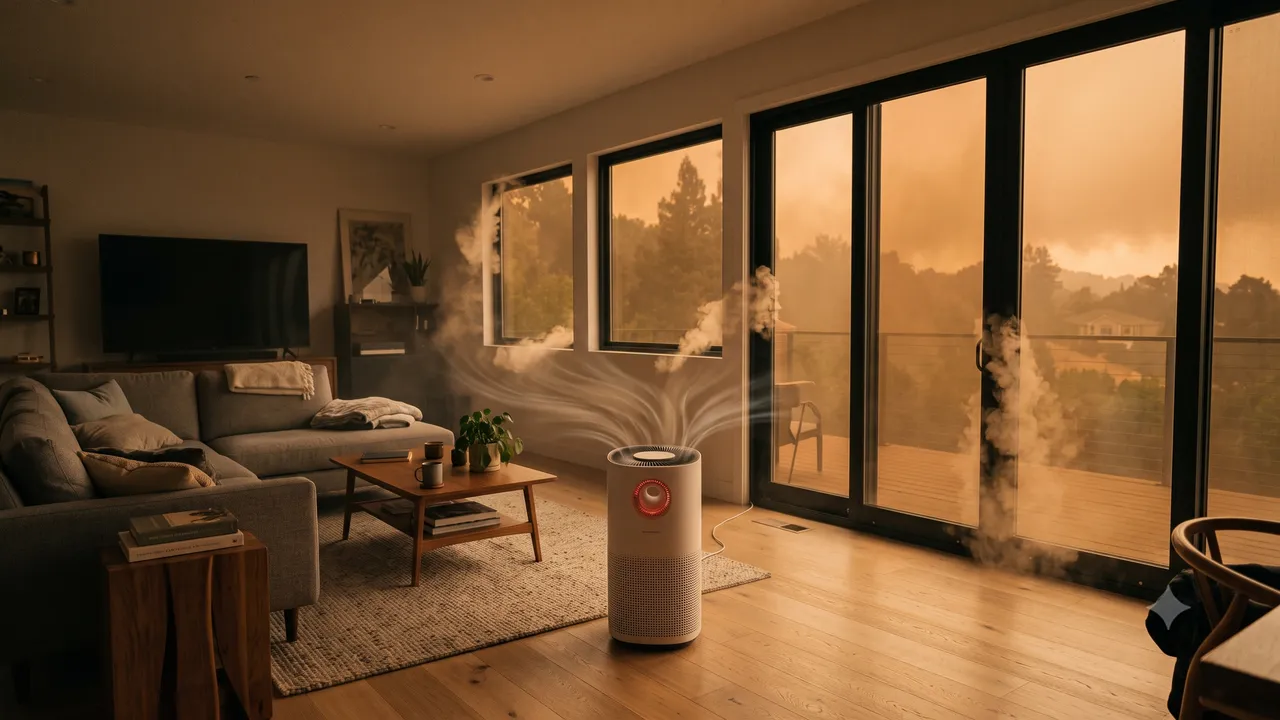
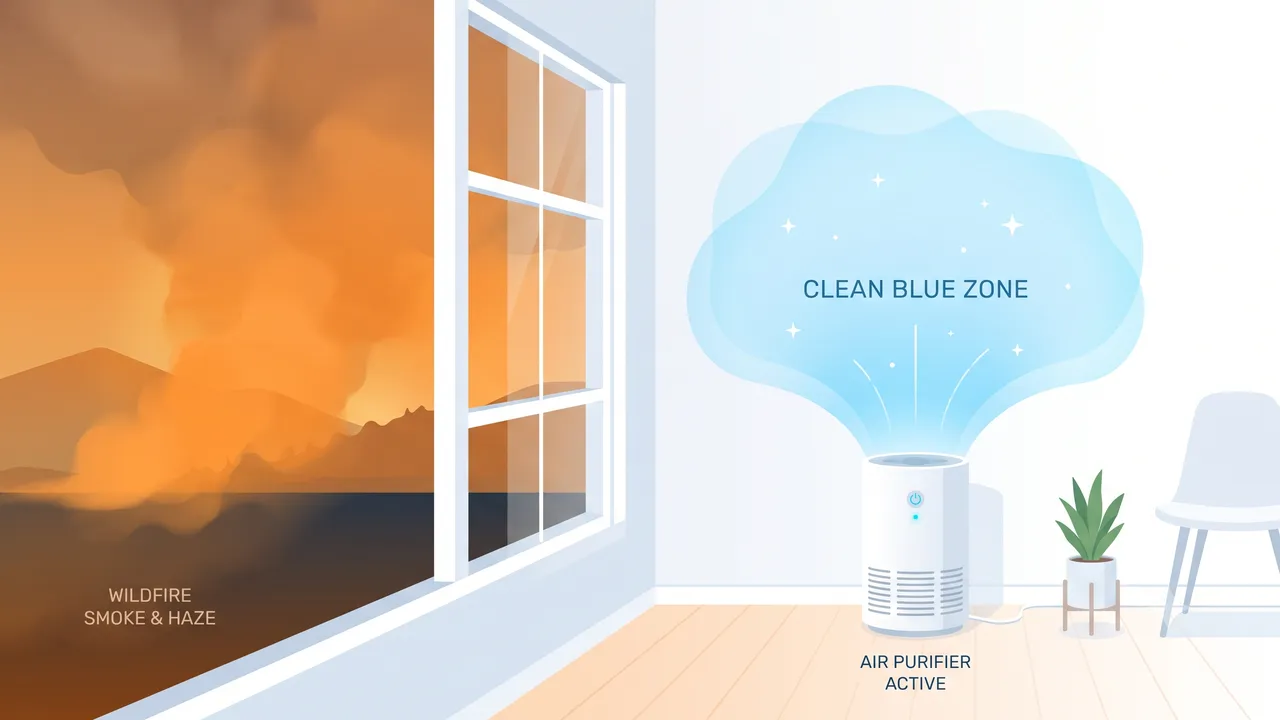
Wildfire smoke is not normal air pollution
Wildfire smoke is fundamentally different from the everyday PM2.5 generated by traffic, cooking, and industrial emissions. Wildfire particles are typically smaller (0.4-0.7 microns vs 1-3 microns for general air pollution), more numerous during events, and contain a complex mixture of gases including carbon monoxide, volatile organic compounds, and polycyclic aromatic hydrocarbons.
The 2023 Canadian wildfire season burned 18.5 million hectares. Roughly the size of North Dakota. And sent smoke plumes as far as Norway and Spain. In June 2023, New York City recorded an AQI of 484, temporarily making it the most polluted city on Earth. These events are becoming more frequent and severe: the U.S. wildfire season is now 78 days longer than it was in 1970, according to Climate Central.
Learn more about air quality indexes and what they mean.
What the EPA recommends
The EPA’s official guidance for wildfire smoke events includes:
- Stay indoors with windows and doors closed
- Run an air purifier with a HEPA filter in a “clean room.” One room where you spend most of your time.
- Set the purifier to the highest speed that’s tolerable. Higher CADR matters more than noise comfort during smoke events.
- Seal gaps around windows and doors with weather stripping or even painter’s tape.
- Avoid activities that create indoor particles. No vacuuming (unless it has a HEPA filter), no frying or broiling food, no burning candles or incense.
The EPA also recommends against ozone-generating “air cleaners” during smoke events. Ozone is a respiratory irritant that compounds the damage from smoke particles.
The DIY box fan filter: does it work?
One of the most widely shared recommendations during smoke events is the Corsi-Rosenthal Box. A DIY air cleaner made from a box fan and four MERV-13 furnace filters taped into a cube. It was developed by Dr. Richard Corsi (Dean of Engineering at UC Davis) and Jim Rosenthal (CEO of Tex-Air Filters) during the early COVID-19 pandemic.
How well does it work? A 2022 study by UC Davis researchers found that a Corsi-Rosenthal box with a standard 20-inch box fan reduced PM2.5 by approximately 73% in a 600 sq ft classroom over 60 minutes. However:
- It’s noisy (box fans are louder than purpose-built purifiers)
- It looks like a science project
- It’s effective but less energy-efficient than a commercial purifier
- Never leave a box fan filter running unattended or while sleeping. Box fans aren’t designed to push air through filters and can overheat.
Our recommendation: Commercial HEPA purifiers are better for long-term use. A Corsi-Rosenthal box is a good emergency option if smoke is imminent and you can’t get a purifier delivered in time.
What to look for in a purifier for smoke
Minimum specifications
- True HEPA filter, Non-negotiable. HEPA-type or HEPA-like filters won’t capture the sub-micron particles in smoke effectively.
- Smoke CADR of at least 2/3 of your room’s square footage, For a 300 sq ft room, you need a smoke CADR of at least 200. Calculate your room size to be sure.
- Significant activated carbon, The carbon filter captures the gaseous components of smoke, not just the particles. At least 1 pound of carbon for meaningful smoke gas filtration.
- No ionizer, or an ionizer you can turn off, Ionizers can produce ozone, which worsens respiratory stress during smoke events.
Nice-to-have features
- Air quality sensor, Automatically increases fan speed when smoke levels rise
- High-speed mode, You’ll need maximum airflow during heavy smoke events
- Filter replacement indicator, Smoke clogs filters faster than normal use
- Remote control or app, Adjust settings without getting up
Top purifiers for wildfire smoke
Here’s a comparison of the best purifiers for wildfire smoke:
| Purifier | Price | Smoke CADR | Room Coverage | Carbon Filter | Best For |
|---|---|---|---|---|---|
| Coway AP-1512HH | $189 | 246 | 350 sq ft | 0.5 lb | Best value |
| Winix 5500-2 | $159 | 243 | 360 sq ft | Washable | Mid-range |
| Blueair 211i Max | $339 | 410 | 600+ sq ft | 1.0 lb | Large rooms |
| IQAir HealthPro Plus | $899 | 300 | 450 sq ft | 5.0 lb | Severe smoke |
Coway AP-1512HH ($189)
Smoke CADR of 246, good for rooms up to 350 sq ft. The best value for a dedicated smoke room. The auto mode adjusts fan speed based on particle detection. Filter replacement costs about $35-40.
Drawback: The carbon filter is only 0.5 pounds. It handles light smoke odor but won’t eliminate heavy smoke smell. Read our Coway vs Levoit comparison for more.
Winix 5500-2 ($159)
Smoke CADR of 243 with washable carbon. Good mid-range option if you want to toggle PlasmaWave on/off. The washable carbon filter saves money on replacements.
Drawback: The carbon filter is thinner than the Coway. Less effective for heavy smoke odor.
Blueair 211i Max ($339)
Smoke CADR of 410, capable of handling a large living room (600+ sq ft). The electrostatic component captures smoke particles very efficiently. This is the purifier to buy if you live in a wildfire-prone area.
Drawback: The price. At $339, it’s nearly double the Coway. But the 410 smoke CADR justifies the cost for large rooms. Read our Blueair vs Coway comparison for more.
IQAir HealthPro Plus ($899)
Overkill for most people, but the 5-pound carbon filter provides genuine gas-phase filtration for the VOCs and odor components of smoke. The HyperHEPA filter captures ultrafine particles that standard HEPA might miss.
Drawback: The price. At $899, it’s 5x the cost of the Coway. But for severe smoke events or people with respiratory conditions, the medical-grade filtration is worth the investment.
What doesn’t work for smoke
- UV-C purifiers, UV light doesn’t capture particles. It’s intended to kill microorganisms. Ineffective against smoke.
- Ionizers without a HEPA filter, These charge particles to make them fall out of the air, but the particles land on surfaces and can become resuspended. Plus, ozone.
- Essential oil diffusers marketed as “air purifiers”, These add particles to your air, making smoke problems worse.
- Houseplants, A 2019 study found you would need 10-1,000 plants per square meter to achieve the same CADR as a typical mechanical air purifier. Plants are nice. They don’t clean smoke.
The Blueair advantage during wildfire season
Wildfire smoke PM2.5 particles are smaller than typical household dust. Predominantly 0.4-0.7 microns. This is right in the “most penetrating particle size” range where HEPA filters are least efficient (99.97% rather than >99.99% for larger or smaller particles). Blueair’s HEPASilent technology, with its electrostatic charge, captures these mid-range particles more efficiently than purely mechanical HEPA. Though the advantage narrows as the filter loads and the charge decays.
For wildfire-prone areas (California, Pacific Northwest, Mountain West), consider: a) a purifier with high Smoke CADR (Blueair 211i Max at 410 is the leader), b) spare filters stored in sealed bags (wildfire season creates sudden demand spikes and filters sell out quickly), and c) a plan for sealing the room. Blue painter’s tape around window and door edges during active smoke events reduces infiltration by 40-60% according to field studies.
Preparing before smoke season
- Buy replacement filters in advance. During major smoke events, HEPA filters for popular models sell out within 48 hours. Learn more about filter replacement.
- Test your purifier on high speed for noise acceptability. You’ll need to run it at higher speeds during smoke events.
- Identify your “clean room.” Ideally a bedroom where you can seal windows and spend extended time.
- If you have central HVAC, upgrade to a MERV-13 filter and set the fan to “on” rather than “auto” during smoke events. Learn more about MERV ratings.
- Stock up on painter’s tape and weather stripping for sealing gaps around windows and doors.
- Check your local AQI daily during fire season. Use AirNow.gov or the EPA’s Air Quality app.
During a smoke event: step by step
- Check outdoor AQI. If it’s above 150, take action.
- Close all windows and doors. Seal gaps with painter’s tape if needed.
- Move to your clean room. Bring your purifier with you.
- Set purifier to high. Run it at the highest tolerable speed.
- Avoid creating indoor particles. No vacuuming, no frying, no candles.
- Stay hydrated. Smoke dehydrates your airways.
- Monitor symptoms. If you experience difficulty breathing, seek medical attention.
- Run the purifier 24/7 until outdoor AQI drops below 100.
After the smoke clears
- Replace your filter. Smoke clogs filters faster than normal use. If the smoke event lasted more than 3 days, replace the filter even if the indicator light isn’t on.
- Clean your home. Vacuum with a HEPA vacuum and wipe down surfaces with a damp cloth.
- Check the purifier’s carbon filter. If it smells like smoke, replace it.
- Restock replacement filters. Buy extras before the next event.
Electricity costs during smoke events
Running a purifier on high 24/7 uses more electricity than normal use:
| Purifier | Watts (High) | Daily Cost | Weekly Cost |
|---|---|---|---|
| Coway AP-1512HH | 55W | $0.20 | $1.40 |
| Winix 5500-2 | 60W | $0.22 | $1.54 |
| Blueair 211i Max | 65W | $0.24 | $1.68 |
| IQAir HealthPro Plus | 75W | $0.27 | $1.89 |
Based on average US electricity rate of $0.15/kWh
The electricity cost is minimal compared to the health benefits. Don’t hesitate to run your purifier on high during smoke events. Calculate your exact cost.
Related Articles
- Best Air Purifiers of 2026
- Filter Replacement Guide
- DIY Indoor Air Quality: 10 Methods
- MOOKA Air Purifier Review 2026
Frequently Asked Questions
Can air purifiers remove wildfire smoke?
Yes, but you need both HEPA (for particles) and activated carbon (for gases and odors). Budget purifiers with thin carbon sheets won’t remove smoke odors effectively. Look for substantial carbon beds (2+ lbs) and high Smoke CADR ratings.
How quickly can an air purifier clean smoke from a room?
A properly sized purifier can reduce smoke particles by 50-70% within 30-60 minutes. For heavy smoke, run on high for 2-3 hours, then reduce to medium. Keep windows and doors closed to prevent new smoke from entering.
Do I need a special air purifier for cigarette smoke?
Cigarette smoke contains both fine particles and over 7,000 chemicals. Standard HEPA captures particles but not all gases. You need substantial activated carbon (5+ lbs) for effective cigarette smoke removal. The Austin Air HealthMate and IQAir GC MultiGas excel here.
Can air purifiers remove smoke smell?
Only if they have substantial activated carbon. Thin carbon sheets (common in budget purifiers) saturate quickly and stop working. Pellet-based carbon beds or deep-bed carbon filters are necessary for persistent smoke odors.
Should I run the air purifier all the time during wildfire season?
Yes, run 24/7 on medium-high during active wildfires. Keep windows and doors closed. Check air quality forecasts and increase fan speed when outdoor AQI exceeds 100. Replace filters more frequently during heavy smoke exposure.
Disclosure: We may earn a commission from qualifying purchases. This guide follows EPA and CDC recommendations for wildfire smoke safety.
Support This Guide
Helpful? Add The Air Purifier Guide as a preferred source on Google so our guides show up in your search results.
Related Articles
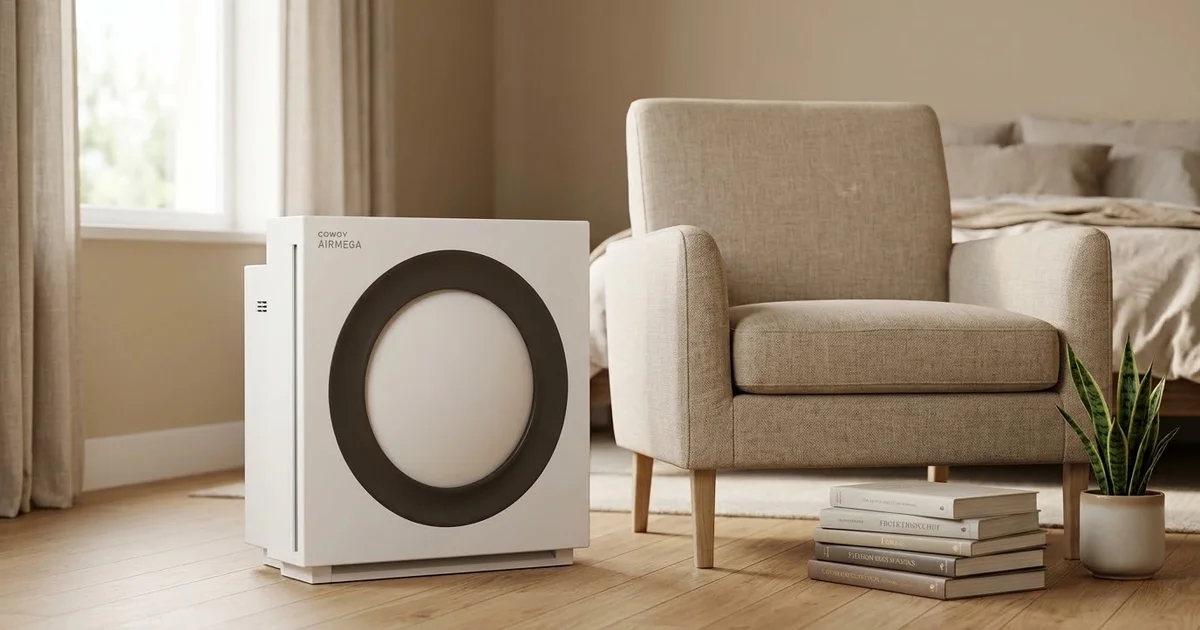
Coway Mighty2 vs AP-1512HH (2026)
Coway's Mighty2 replaced the AP-1512HH as Wirecutter's top pick. We compare CADR, noise, sensors, filter costs, and whether the older unit is still the smarter buy.
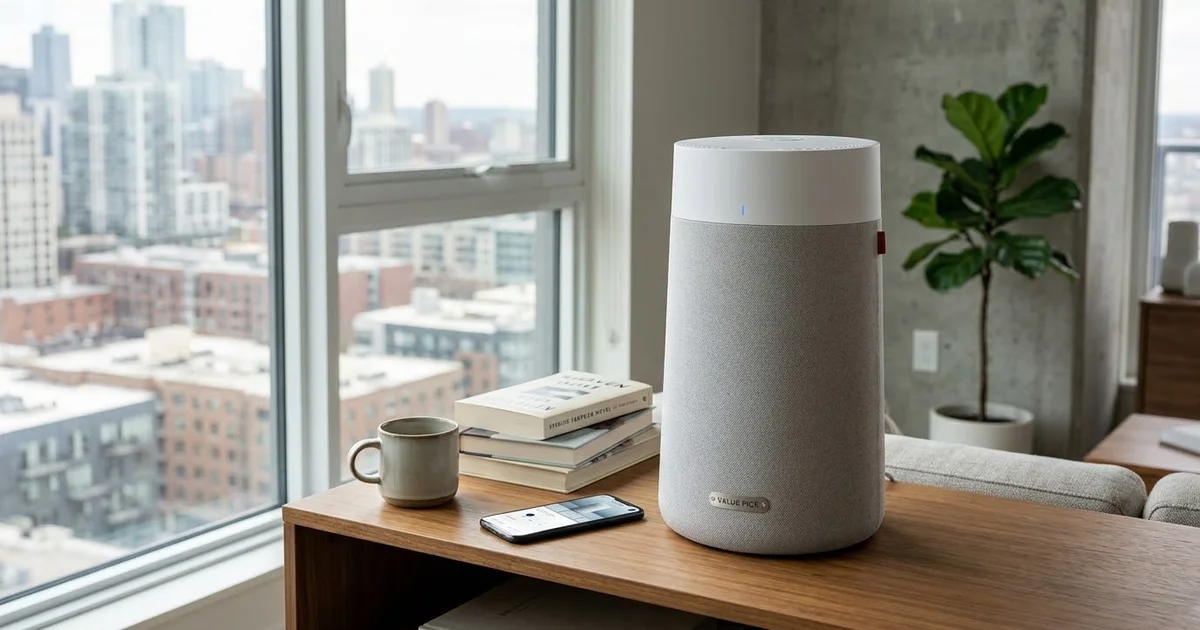
KNKA APH4000 Review: $150 Dark Horse
KNKA's APH4000 is one of Amazon's best-selling purifiers at $150. We check the AHAM certification, decode the 1,695 sq ft claim, and compare it to Levoit and Coway.
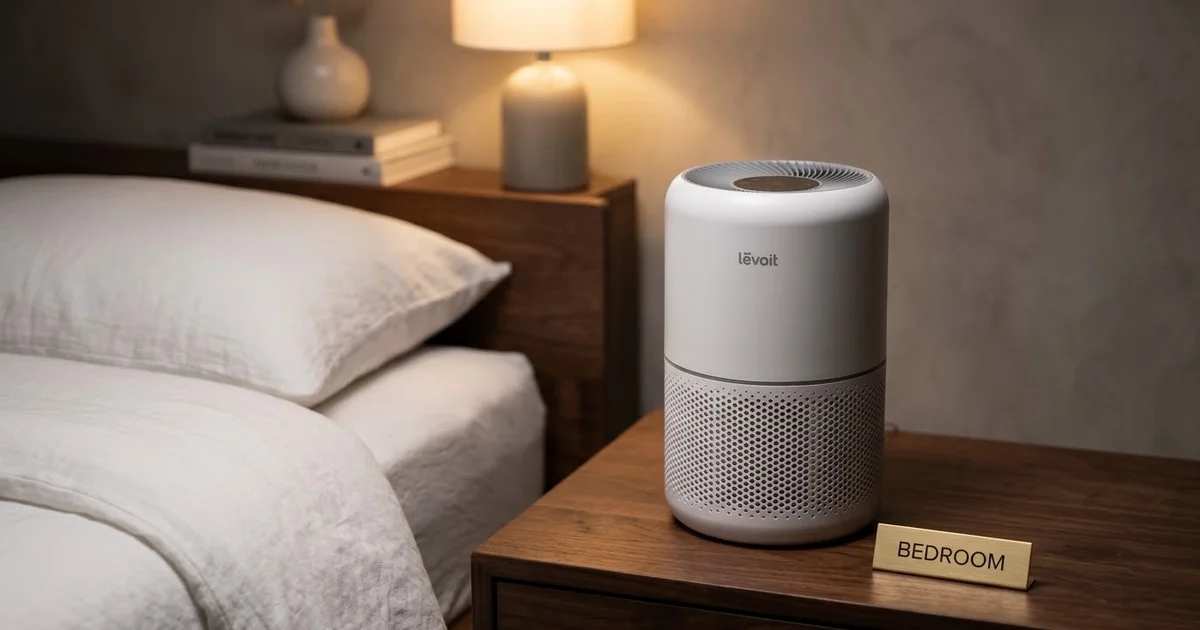
Levoit Core 300 vs 300-P: What Changed
Levoit quietly replaced the Core 300 with the Core 300-P. We explain the AHAM certification, whether filters still fit, and which one you should actually buy.
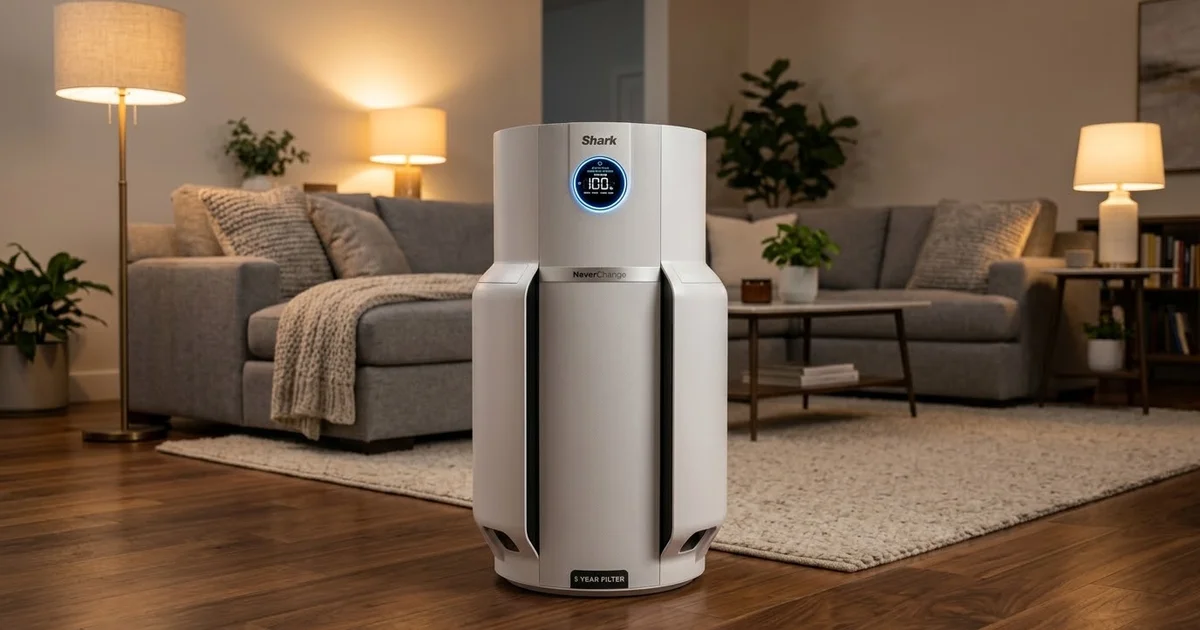
Shark NeverChange HP302 Review
Shark's NeverChange HP302 promises 5 years on one filter. We dig into the real running costs, the odor neutralizer catch, and whether it beats cheaper rivals.
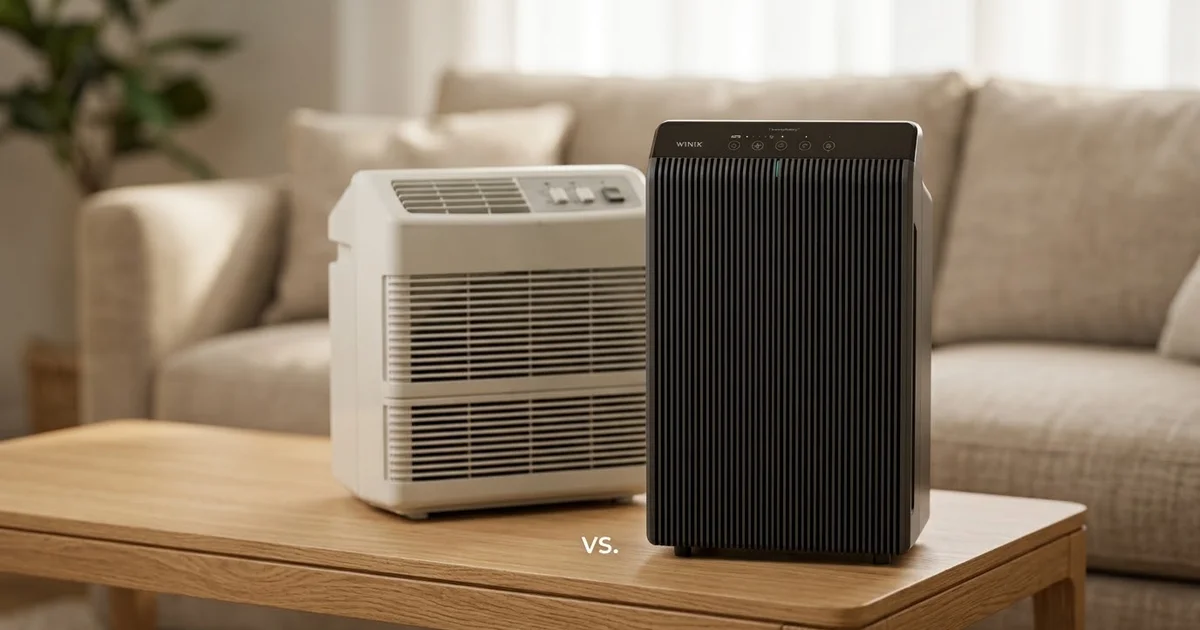
Winix 5510 vs 5500-2: 2026 Verdict
The Winix 5500-2 is discontinued and the 5510 takes over. We compare CADR, noise, filter costs, and the one compatibility problem nobody mentions.
🛒 Products Mentioned
As an Amazon Associate, we earn from qualifying purchases.
Covers indoor air quality science, respiratory health, allergy management, and wildfire smoke protection.
View all articles by Sarah →