The Short Answer: The best choice depends on your specific needs. True HEPA is essential for particles, activated carbon for gases and odors. Consider room size, noise tolerance, and budget when comparing models.
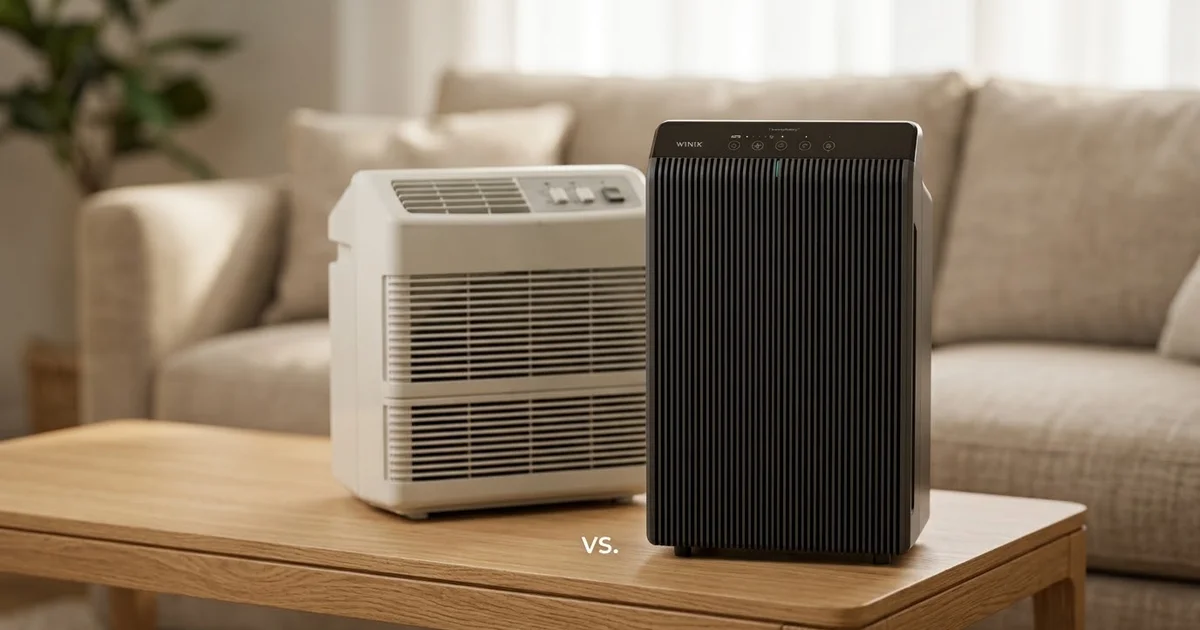
Editor’s note (September 2026): The Winix 5500-2 has been discontinued and remaining stock is limited. Winix’s official successor is the Winix 5510, which adds app control and uses a new filter. Read our Winix 5510 vs 5500-2 comparison before you buy either one.
Shopping for an indoor air quality device can be surprisingly confusing. Walk into any big-box store or browse Amazon, and you will find air purifiers, humidifiers, and dehumidifiers sitting side by side on the same shelf, sometimes even combined into a single unit. They all claim to make your home healthier and more comfortable, but they solve fundamentally different problems. Buy the wrong one, and you could spend $200 making your situation worse instead of better.
This guide breaks down exactly what each device does, when you need it, and how to figure out which one (or which combination) belongs in your home. We will also cover combo units, warning signs that point to a specific device, and the most common questions people ask before buying.
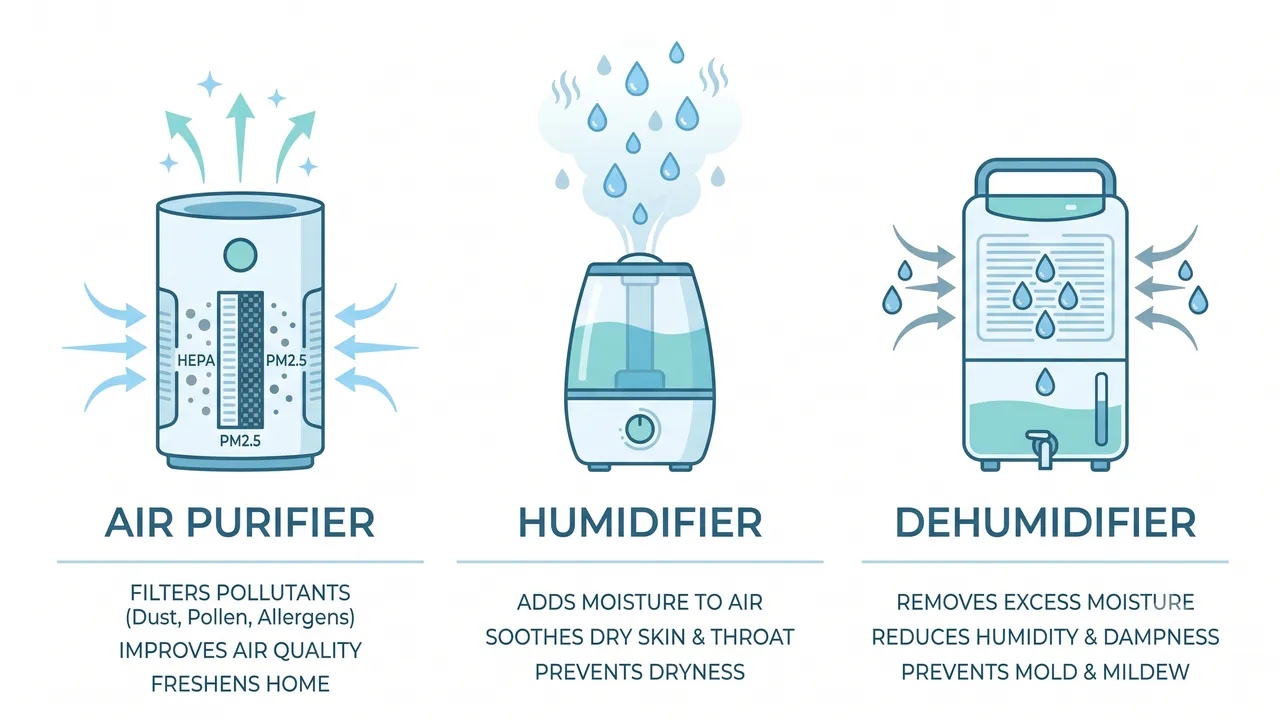
What Each Device Actually Does
Before diving into decision-making, it helps to understand the core mechanics of each device. They are not interchangeable, and the confusion usually starts with people conflating “air quality” with “humidity.” They are related, but they are not the same thing.
Air Purifier
An air purifier pulls room air through one or more filters, traps airborne particles, and pushes cleaner air back out. The best consumer units use a HEPA filter that captures 99.97% of particles down to 0.3 microns, that includes dust, pollen, pet dander, mold spores, and most bacteria. Some units add activated carbon filters to adsorb volatile organic compounds (VOCs), odors, and certain gases.
An air purifier does not change the moisture content of your air. It does not add or remove water vapor. If your problem is dry skin or a musty basement, a purifier alone will not fix it.
For a deeper look at what purifiers can and cannot remove, see our guide on air purifiers for VOCs and formaldehyde and whether purifiers can handle carbon monoxide or radon.
Humidifier
A humidifier adds water vapor to indoor air. The most common types are:
- Evaporative, a wick absorbs water from a reservoir, and a fan blows air through the wet wick. Self-regulating: as humidity rises, evaporation slows naturally.
- Ultrasonic, a vibrating diaphragm breaks water into a fine mist. Quiet and energy-efficient, but can aerosolize minerals from tap water, creating white dust.
- Steam, boils water to create steam. Kills bacteria during the process but uses more electricity and can be a burn risk near children.
A humidifier does not clean the air. It does not filter dust, pollen, or smoke. If your air is already clean but your skin is cracking and your nose bleeds every winter, then a humidifier is what you need, not a purifier.
Dehumidifier
A dehumidifier removes moisture from the air. Most residential units work like a small air conditioner: a refrigerant coil cools incoming air below its dew point, water condenses and drips into a collection bucket, and the drier air is reheated and released. Desiccant dehumidifiers use a moisture-absorbing material instead and work better at lower temperatures (below 50°F), making them popular for garages and unheated basements.
A dehumidifier does not filter particulates. It will make a damp room feel more comfortable and discourage mold growth, but it will not capture dust or allergens.
For more on the relationship between humidity and filter performance, read our guide on how humidity affects air purifier filters.
Three Devices Compared
The table below summarizes the key differences at a glance:
| Feature | Air Purifier | Humidifier | Dehumidifier |
|---|---|---|---|
| What it does | Filters airborne particles and some gases | Adds moisture to indoor air | Removes moisture from indoor air |
| What it removes | Dust, pollen, smoke, dander, mold spores, VOCs, odors | Nothing (adds water vapor) | Excess humidity, condensation |
| What it adds | Nothing (removes particles) | Water vapor to reach 30-50% RH | Nothing (removes moisture) |
| When you need it | Allergies, dust, smoke, pet dander, stale air | Dry air below 30% RH, cracked skin, nosebleeds, static | Humid air above 60% RH, mold, musty smells, condensation |
| Price range | $80-$500 (HEPA units) | $30-$200 (standalone) | $150-$350 (50-pint residential) |
| Filter replacement | Every 6-12 months ($20-$80) | No filters (evaporative wicks every 1-3 months, $10-$20) | No filters (clean bucket/coils periodically) |
| Electricity cost | $3-$10/month (running 24/7) | $2-$8/month | $10-$30/month (most energy-hungry) |
| Noise level | 30-65 dB depending on speed | 30-50 dB (ultrasonic is quietest) | 45-65 dB |
If you want real-time data on your air quality, not just humidity but also particulate levels, consider adding an air quality monitor to your setup. A $30 hygrometer tells you humidity; a $100-$200 monitor tells you PM2.5, CO2, and VOCs as well.
Signs You Need Each Device
You Need an Air Purifier If…
- Visible dust accumulates on surfaces within 24 hours of cleaning.
- Allergy or asthma symptoms improve when you leave the house and return when you come back.
- You live within 5 miles of a major highway or in an area affected by wildfire smoke.
- You cook frequently with gas (see our kitchen air quality guide).
- Pets that shed live in the home.
- Someone in the household smokes or vapes indoors.
- You have chemical sensitivities or MCS.
For specific recommendations, check our best air purifier brands ranked or the quietest models for bedrooms.
You Need a Humidifier If…
- A hygrometer reads your indoor relative humidity (RH) consistently below 30%.
- Your skin is dry and cracked despite regular moisturizer.
- You wake up with nosebleeds or a scratchy throat during winter.
- Static electricity shocks are frequent, from doorknobs, light switches, or clothing.
- Wooden furniture, flooring, or musical instruments are cracking or warping.
- Houseplants develop brown leaf tips even with proper watering.
The EPA recommends maintaining indoor humidity between 30-50%. Below 30%, the dry air irritates your respiratory tract, thickens mucus, and makes you more susceptible to respiratory infections. It also creates ideal conditions for airborne viruses to survive longer.
You Need a Dehumidifier If…
- A hygrometer reads your indoor RH consistently above 60%.
- You notice a musty odor in the basement, bathroom, or closets.
- Condensation forms on windows, especially in the morning.
- Visible mold spots appear on walls, ceilings, bathroom grout, or behind furniture.
- The air feels damp and sticky even at moderate temperatures.
- Dust mite allergy symptoms worsen during humid seasons.
Basements are the single most common dehumidifier use case. Below-grade spaces naturally accumulate moisture through concrete walls and floors. A typical 1,500 sq ft basement in a humid climate (southeastern US, Pacific Northwest) can collect 10-20 pints of water per day from the air alone.
Do I Need One, Two, or All Three?
This is the most common question, and the honest answer is: it depends on your climate, your home, and the season. Here is a step-by-step decision guide to help you figure it out.
Step 1: Buy a Hygrometer First
A basic digital hygrometer costs $10-$15. Place it in the room where you spend the most time (usually the bedroom) and check readings morning and evening for one full week. This single measurement eliminates guesswork.
Step 2: Read Your Humidity
- Below 30% RH: Your air is too dry. Start with a humidifier. Once humidity is in the 40-50% range, reassess, if you still have dust, allergy, or odor issues, add a purifier.
- 30-50% RH: Your humidity is in the ideal zone. You do not need a humidifier or dehumidifier. Focus on an air purifier if you have any particle-related complaints (dust, allergies, smoke, pet dander).
- Above 60% RH: Your air is too damp. Start with a dehumidifier. Get humidity below 50% before anything else, because high humidity undermines other air quality efforts, it fuels mold growth, dust mite populations, and musty odors that no purifier can fully mask.
Step 3: Layer In a Second Device If Needed
Most homes benefit from at most two devices:
- Winter in a cold/dry climate: Air purifier + humidifier. The purifier runs year-round; the humidifier runs from November through March when heating dries out indoor air.
- Summer in a hot/humid climate: Air purifier + dehumidifier. The purifier handles pollen and outdoor pollutants; the dehumidifier keeps basement and bedroom humidity in check.
- Allergies + optimal humidity: Air purifier only. If your hygrometer reads 40-50%, you just need particulate filtration.
Step 4: Do You Need All Three?
Rarely. If you live in a climate with extreme seasonal swings, dry winters and humid summers, you might use a purifier year-round, a humidifier in winter, and a dehumidifier in summer. But this is unusual. Most homes need one or two devices, not three.
The one exception: if your basement floods or has chronic moisture problems regardless of season, a basement dehumidifier running year-round alongside a bedroom air purifier is a perfectly reasonable two-device setup.
Best Combo Units
Several manufacturers sell devices that combine two functions into one. Here is what is available and whether they are worth it.
Air Purifier + Humidifier Combos
The most common combo. The Dyson Purifier Humidify+Cool is the most prominent example at $800-$900. It uses a HEPA filter for purification and an evaporative system for humidification, plus doubles as a fan in summer.
Other options include the LG PuriCare AeroTower ($600-$700) and various Korean-market units from Samsung and Winix.
Our take: Combo units are convenient and save outlet space, but dedicated individual units almost always outperform them for the price. A Coway AP-1512HH ($189) paired with a Levoit Classic 300S humidifier ($50) will outperform any $800 combo unit on both purification and humidification. Buy a combo unit if space, aesthetics, or simplicity are your primary concern, not if performance-per-dollar matters most.
For a full breakdown, see our dedicated guide on the best air purifier and humidifier combo units.
Air Purifier + Dehumidifier Combos
These are rare. A few models from brands like Tenergy and Afloia combine HEPA filtration with a small dehumidifier, but the dehumidifier capacity is usually limited to 1-2 pints per day, far below what a damp basement needs. We do not currently recommend any air purifier + dehumidifier combo. Buy them separately.
Humidifier + Dehumidifier Combos
These essentially do not exist as consumer products, and for good reason: adding and removing moisture simultaneously would be pointless. If you need both, you need them at different times of year, so a single device would not help.
The Device Most Homes Actually Need First
If you could only buy one indoor air quality device, here is the priority order based on what most improves day-to-day comfort:
-
Buy a dehumidifier first if your RH is consistently above 60%. High humidity enables dust mites and mold, which trigger allergies and damage your home. A purifier can capture some mold spores, but it cannot stop mold from growing on your walls.
-
Buy a humidifier first if your RH is consistently below 30%. Dry air directly irritates airways, worsens eczema, and increases infection risk. No amount of air purification fixes the discomfort of bone-dry air.
-
Buy an air purifier first if your RH sits in the 40-50% sweet spot. Your humidity is already ideal, so focus on removing particles. This is the most common starting point for allergy sufferers, pet owners, and people in urban areas.
Still unsure? Our guide on air purifier myths and mistakes covers the most common purchasing errors people make.
Placement Tips
Where you put the device matters almost as much as which one you buy.
- Air purifier: Place it 3-5 feet from where you breathe (bedside table, near the couch) with at least 12 inches of clearance on all sides. Do not shove it in a corner. Run it on medium or high, not just the lowest quiet setting. See our full air purifier placement guide.
- Humidifier: Place it on an elevated, waterproof surface (a towel or tray underneath helps) at least 3 feet from electronics and wooden furniture. Keep the door closed to concentrate moisture in the target room.
- Dehumidifier: Place it centrally in the damp room with the intake and exhaust unobstructed. In a basement, set it 6-12 inches from the wall. Empty the bucket regularly or connect a drain hose for continuous operation.
Frequently Asked Questions
Can an air purifier make a room less dry?
No. Air purifiers filter particles; they do not add or remove moisture. If your air is dry, you need a humidifier, not a purifier. Some people confuse the gentle breeze from a purifier’s fan with moisture, but the fan is simply circulating existing air through a filter.
Can a dehumidifier help with allergies?
Yes, indirectly. High humidity promotes dust mite reproduction and mold growth, two of the most common indoor allergens. By keeping humidity below 50%, a dehumidifier reduces the conditions that allow these allergens to thrive. However, a dehumidifier does not filter pollen, pet dander, or other airborne allergens. For comprehensive allergy relief in a humid home, use both a dehumidifier and an air purifier. For more on this topic, see our seasonal allergy air purifier guide.
Is it safe to run an air purifier and humidifier in the same room?
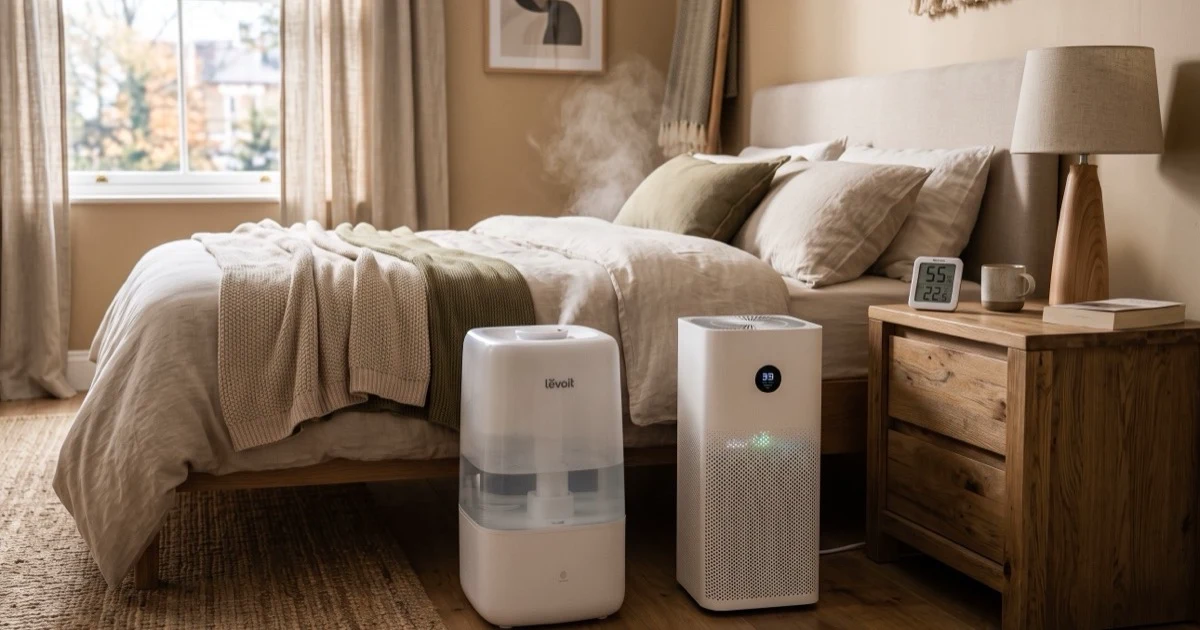
Yes, and it is a common setup. However, avoid using an ultrasonic humidifier with tap water in the same room as an air purifier. Ultrasonic humidifiers aerosolize dissolved minerals, creating “white dust”, fine particulate matter that your purifier will detect and work overtime to filter. Use distilled or demineralized water in ultrasonic humidifiers, or choose an evaporative humidifier instead, which does not aerosolize minerals.
How do I know if my humidity is too high or too low without a hygrometer?
You can make a rough guess based on symptoms, dry skin and static electricity suggest low humidity; condensation on windows and musty smells suggest high humidity, but guessing is unreliable. A digital hygrometer costs $10-$15 and gives you an accurate reading. It is the single most useful tool for deciding which device to buy. Without one, you are essentially guessing.
Will a dehumidifier make my room too dry?
A properly sized dehumidifier with a built-in humidistat will not over-dry your air. You set a target humidity (we recommend 45-50%), and the unit cycles on and off to maintain that level. If you run a dehumidifier without a humidistat, or set the target too low, yes, you could end up with overly dry air, which defeats the purpose and can cause the same dry-air problems a humidifier would fix.
Disclosure: The Air Purifier Guide is reader-supported. When you purchase through links on our site, we may earn an affiliate commission at no extra cost to you. We only recommend products we have researched thoroughly and believe will genuinely help you breathe better.
You May Also Like
- Air Purifier and Humidity: How Moisture Affects Filter Performance and Lifespan
- Air Purifier for Mold Prevention: Why Humidity Control Matters More Than Filtration
- How to Improve Indoor Air Quality Without an Air Purifier: 18 Natural Methods That Actually Work
- Kitchen Air Quality: Why Your Gas Stove Is Polluting Your Home (and What to Do About It)
Support This Guide
Helpful? Add The Air Purifier Guide as a preferred source on Google so our guides show up in your search results.
Related Articles
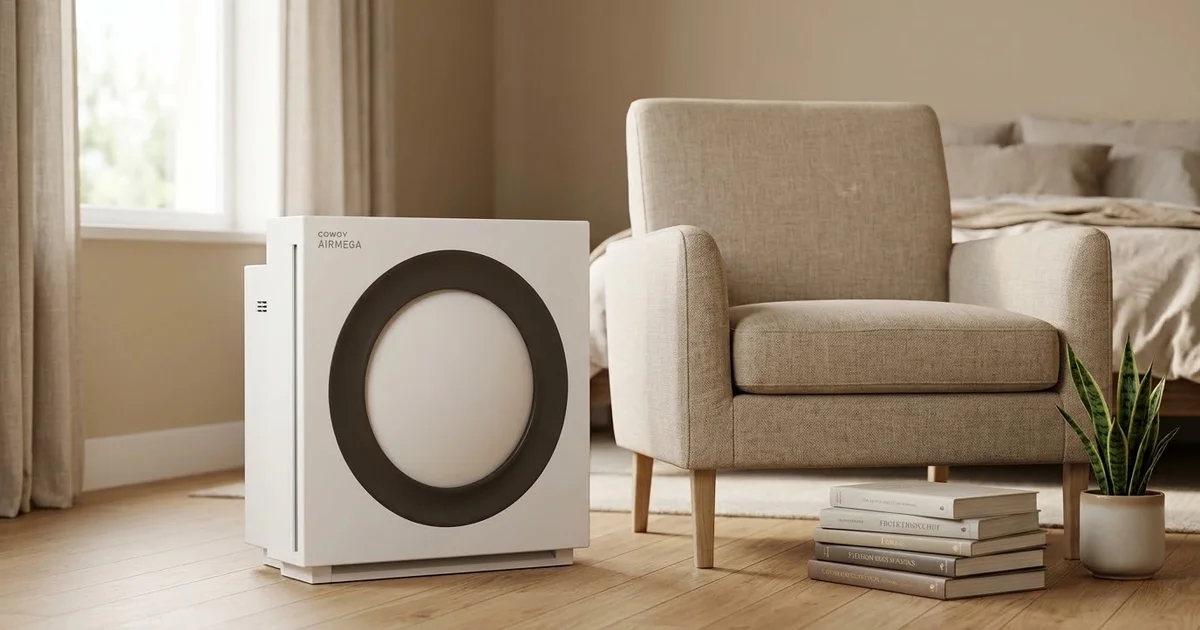
Coway Mighty2 vs AP-1512HH (2026)
Coway's Mighty2 replaced the AP-1512HH as Wirecutter's top pick. We compare CADR, noise, sensors, filter costs, and whether the older unit is still the smarter buy.
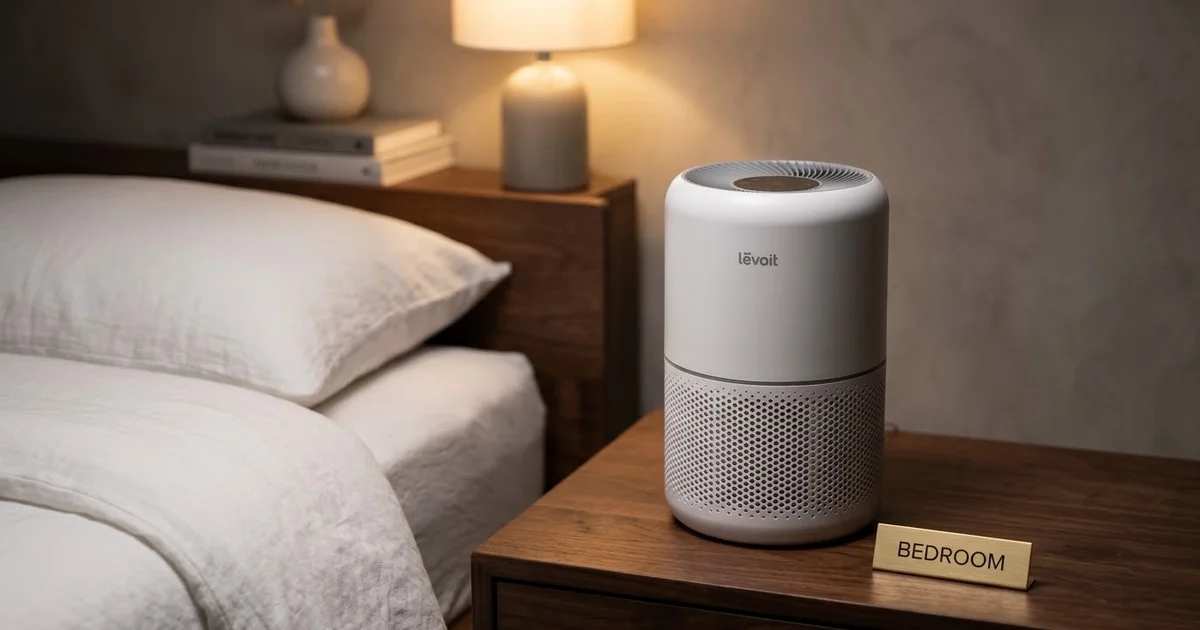
Levoit Core 300 vs 300-P: What Changed
Levoit quietly replaced the Core 300 with the Core 300-P. We explain the AHAM certification, whether filters still fit, and which one you should actually buy.
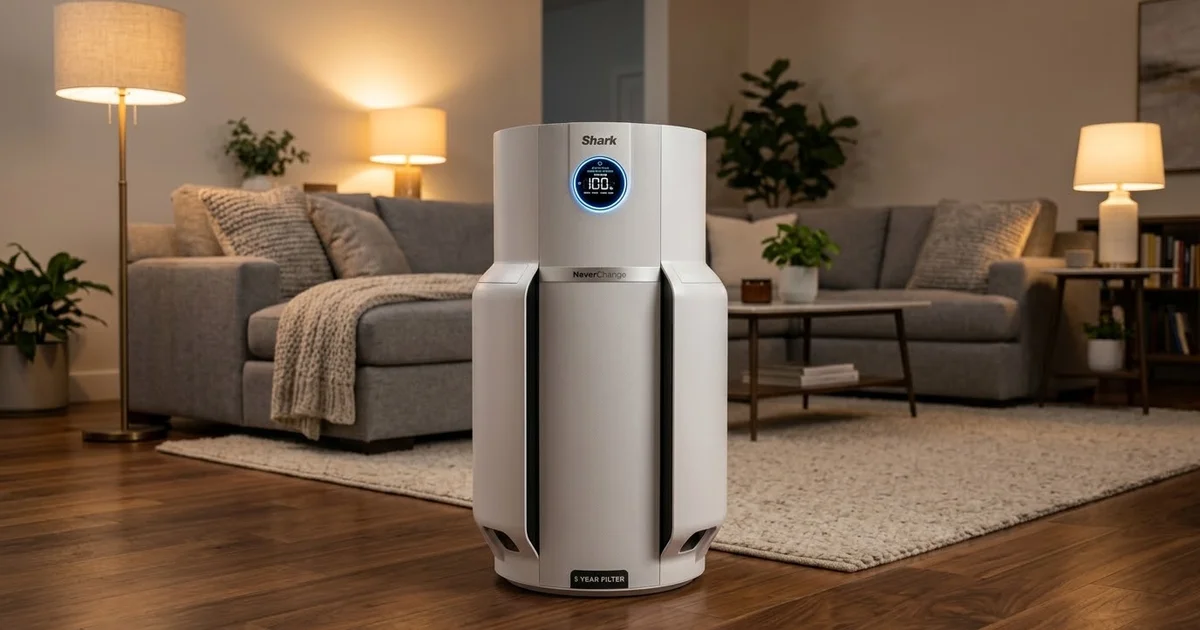
Shark NeverChange HP302 Review
Shark's NeverChange HP302 promises 5 years on one filter. We dig into the real running costs, the odor neutralizer catch, and whether it beats cheaper rivals.
Winix 5510 vs 5500-2: 2026 Verdict
The Winix 5500-2 is discontinued and the 5510 takes over. We compare CADR, noise, filter costs, and the one compatibility problem nobody mentions.
Does an Air Purifier Dry Out the Air? The Honest Answer
If your throat feels dry after running a purifier, you're not imagining it — but it's probably not the purifier. Here's the humidifier-vs-purifier reality, with the measurements to prove it.
🛒 Products Mentioned
As an Amazon Associate, we earn from qualifying purchases.
Runs side-by-side purifier comparisons, long-term ownership reports, and filter cost analysis.
View all articles by David →