The Short Answer: MCS requires zero-ozone purifiers with substantial activated carbon. Avoid ionizers, UV-C, and plastic-bodied units. The Austin Air HealthMate (steel body, 15 lbs carbon) and IQAir GC MultiGas are purpose-built for chemical sensitivity.
Multiple Chemical Sensitivity (MCS) is a chronic condition characterized by adverse reactions to low-level chemical exposures, fragrances, cleaning products, new furniture off-gassing, paint, and building materials, at concentrations most people don’t perceive. While the medical community continues to debate diagnostic criteria, the lived experience of MCS patients is consistent: standard environments cause real, debilitating symptoms including headache, respiratory distress, cognitive impairment, and fatigue.
If you or someone in your household deals with MCS, you already know that finding an air purifier isn’t as simple as grabbing the top-rated unit on Amazon. The wrong purifier can make symptoms worse. This guide covers everything you need to know about choosing MCS-safe air purification, from materials and carbon mass to creating a low-chemical home environment that actually works.


Best Air Purifiers for MCS Sufferers
Not all air purifiers are created equal, and for chemical sensitivity, most fall dramatically short. The units below have been selected for their massive activated carbon beds, ozone-free operation, low off-gassing construction, and proven VOC removal performance.
| Product | VOC Removal Rating | Carbon Weight | Off-Gassing Materials | Price |
|---|---|---|---|---|
| Austin Air HealthMate Plus | ★★★★★ | 15 lbs (KI-impregnated carbon + zeolite) | Powder-coated steel housing, cotton pre-filter, virtually zero off-gassing | $715 |
| IQAir HealthPro Plus | ★★★★☆ | 5 lbs (V5-Cell gas phase media) | ABS housing (pre-off-gassed at factory), no adhesives in air path | $899 |
| AllerAir AirMedic Pro 6 | ★★★★★ | 18 lbs (customizable carbon blends) | Metal housing, surgical-grade HEPA, no synthetic pre-filter | $950 |
| EnviroKlenz Mobile UV | ★★★★☆ | 4 lbs (earth mineral + carbon) | Metal housing, UV-C with no ozone output, fragrance-free filters | $849 |
| TerraBloom Carbon Canister + Fan | ★★★★★ | 20–40 lbs (user-fillable) | All-steel canister, industrial-grade, maximum carbon-to-air ratio | $180–$350 |
Why These Units Stand Out
The Austin Air HealthMate Plus remains the gold standard for the MCS community. Its 15-pound carbon bed uses potassium iodide-impregnated activated carbon combined with zeolite, which chemically reacts with formaldehyde, hydrogen sulfide, ammonia, and other VOCs rather than merely adsorbing them. The powder-coated steel housing means there is no plastic in the air path, a critical factor when even trace off-gassing can trigger a reaction.
The AllerAir AirMedic Pro 6 offers the heaviest standard carbon load at 18 pounds and allows you to customize the carbon blend for your specific triggers. If formaldehyde is your primary concern, they offer a specialized blend. For sulfur compounds, another. This targeted approach is rare.
The TerraBloom carbon canister option is unconventional but beloved by the most chemically sensitive individuals. It’s an industrial steel canister packed with 20 to 40 pounds of loose activated carbon, paired with an inline fan. There is essentially nothing to off-gas, just steel and carbon. The trade-off is aesthetics and noise, but for severe MCS, function wins.
Why Standard Purifiers Fail for MCS
The filtration challenge is that MCS triggers include VOCs at extremely low concentrations, parts per billion (ppb) rather than parts per million (ppm). A standard air purifier with a thin carbon sheet designed for cooking odors and pet smells has ounces of carbon, not pounds. It saturates within weeks in a chemically sensitive person’s home and offers minimal ongoing protection.
Beyond carbon mass, the purifier itself must not contribute to the problem. Many budget and mid-range purifiers use:
- Plastic housings that off-gas VOCs, especially when new
- Adhesives and glues in filter construction
- Ionizers that produce trace ozone (a known MCS trigger)
- Fragranced pre-filters or “aromatherapy” pads
- Synthetic rubber gaskets and foam seals
Even popular units like the Levoit Core 300 contain approximately 0.3 pounds of carbon, that’s 50 times less than the Austin Air HealthMate Plus. The carbon saturates almost immediately in a home with ongoing chemical exposure.
Chemical Triggers and How to Avoid Them
Understanding what triggers MCS reactions is the first step toward managing them. Here are the most common chemical triggers found in typical homes and how to minimize exposure:
Formaldehyde
Found in pressed-wood furniture, plywood, particleboard, carpet adhesives, and many fabrics treated with permanent-press finishes. Formaldehyde off-gasses most heavily during the first 6–12 months after manufacturing but can continue for years. Choose solid wood furniture, request formaldehyde-free pressed wood (look for CARB Phase 2 compliant or NAF-rated products), and always “bake out” new furniture in a ventilated space.
Fragrances and Perfumes
Air fresheners, scented candles, essential oil diffusers, laundry detergents, fabric softeners, dryer sheets, personal care products, and cleaning sprays. These contain dozens of volatile compounds, many of which are not disclosed on labels. Transition your entire household to fragrance-free products. This includes hand soap, shampoo, deodorant, and dish soap. The room-by-room air purifier guide can help you plan coverage for a fragrance-free home.
Cleaning Products
Bleach, ammonia, disinfectant sprays, toilet bowl cleaners, oven cleaners, and most multi-surface sprays. Replace with simple alternatives: white vinegar, baking soda, hydrogen peroxide, and castile soap. For disinfection, a steam cleaner uses only water and heat.
Volatile Organic Compounds (VOCs) from Building Materials
Paint, varnish, wood stain, caulking, carpet, vinyl flooring, and spray foam insulation. Choose low-VOC or zero-VOC paints (look for GreenGuard Gold certification). Hardwood, tile, or concrete flooring is far safer than carpet, which traps chemicals in its fibers for years. Our VOCs and formaldehyde guide dives deeper into this topic.
Pesticides and Herbicides
Indoor pest control sprays, lawn chemicals tracked in on shoes, and mothballs. Use integrated pest management (IPM) approaches instead, baits, traps, and physical barriers. Remove shoes at the door.
Combustion Byproducts
Gas stoves, unvented space heaters, fireplaces, and candles all produce nitrogen dioxide, carbon monoxide, and particulate matter. If you use a gas stove, always run the range hood vented to the outside. See our kitchen air quality guide for detailed advice.
MCS-Safe Purifier Materials Guide
For someone with chemical sensitivity, the air purifier itself can be a source of reactions. Here’s what to look for, and what to avoid, in purifier construction materials:
Housing Materials
Choose: Powder-coated steel or stainless steel housings. These materials are inert and do not off-gas volatile organic compounds. The Austin Air and AllerAir lines both use metal housings.
Avoid: ABS plastic housings that have not been pre-treated. New plastic releases styrene, BPA, and other compounds. Some manufacturers (like IQAir) pre-off-gas their plastic housings at the factory, which significantly reduces the issue but does not eliminate it entirely.
Filter Media
Choose: Cotton pre-filters, fiberglass-free HEPA media, and loose-fill or pelletized activated carbon without chemical binders. Potassium permanganate or potassium iodide-impregnated carbon provides superior chemical neutralization.
Avoid: Synthetic mesh pre-filters, carbon filters held together with epoxy or polyurethane binders, and any filter marketed with “aromatherapy” or fragrance pads.
Seals and Gaskets
Choose: Silicone gaskets or mechanical compression seals. Silicone is one of the most chemically stable polymers available.
Avoid: Neoprene rubber, foam tape adhesives, and synthetic rubber gaskets, these can off-gas for months.
Electronics
Choose: Units with sealed electronics compartments so circuit board off-gassing doesn’t enter the air path.
Avoid: Ionizers, plasma generators, UV-C bulbs that produce ozone, and PCO (photocatalytic oxidation) cells. Even units marketed as “ozone-free” can produce trace amounts. For MCS, mechanical filtration with activated carbon is the only safe approach. Our ozone air purifiers safety guide explains why ozone is particularly dangerous for sensitive individuals.
The 48-Hour Off-Gassing Rule
Even the safest purifier should be unboxed outdoors or in a garage. Remove all plastic wrapping, bags, and tape. Run the unit on high speed for 48 to 72 hours in a well-ventilated space, a detached garage, covered patio, or workshop, before bringing it into your living area. This flushes residual manufacturing VOCs from packaging materials and any minor off-gassing from the unit itself.
Creating a Low-Chemical Home Environment
An air purifier is one tool in a broader strategy. For MCS management, source control is the foundation, no purifier can keep up with continuous chemical inputs. Here’s how to reduce chemical load throughout your home:
The Bedroom Priority
Your bedroom is where you spend 7–9 hours per night with reduced breathing rate and prolonged exposure. This should be your cleanest room:
- Encase the mattress and pillows in dust-mite-proof covers (also reduces flame retardant exposure from foam mattresses)
- Use cotton or organic cotton bedding, no synthetic fabrics or permanent-press sheets
- Remove all electronics except what’s essential (unplug when not in use, electronics off-gas when warm)
- Run your MCS-grade air purifier on the lowest quiet setting continuously
- Keep the door closed to prevent infiltration from the rest of the house
Kitchen and Bathroom
- Store all cleaning products in a sealed cabinet, ideally outside the living space (garage or shed)
- Never use aerosol sprays indoors
- Ventilate aggressively when cooking, use a range hood that vents outside, not a recirculating type
- Replace plastic food storage containers with glass or stainless steel
Living Areas
- Hard flooring (wood, tile, concrete) instead of carpet, carpet traps and re-releases chemicals for years
- Solid wood or metal furniture instead of particleboard or MDF
- Cotton, linen, or wool upholstery instead of synthetic fabrics treated with stain repellents
- Live plants can help with some VOC removal, though their effect is modest compared to a dedicated purifier
The “Bake-Out” Technique
When you must bring new items into the home, furniture, electronics, textiles, perform a bake-out first. Place the item in a garage, covered porch, or unused room with windows open and a fan running for 2 to 4 weeks. Warm temperatures accelerate off-gassing. In summer, a closed garage can reach 120°F+, dramatically speeding the process. In winter, a space heater in a ventilated garage works too.
Air Quality Monitoring
Consider investing in a VOC monitor to track your progress. Devices like the best air quality monitors can measure total VOC levels, PM2.5, and sometimes formaldehyde specifically. This gives you objective data about what’s working and what’s still contributing to your chemical load. Knowing your baseline VOC level helps you make informed decisions about purifier placement and source control priorities.
Why Source Control Beats Purification Every Time
No purifier eliminates the need for source control. For MCS, source control is more important than any filtration technology. A 15-pound carbon bed can handle residual background VOCs and occasional exposures, but it cannot keep up with continuous chemical inputs from fragranced products, off-gassing furniture, or unsealed building materials.
Think of it this way: an air purifier is a safety net, not a solution. The solution is removing and replacing chemical sources in your environment. Once you’ve done the hard work of transitioning to a low-chemical home, the purifier handles the remaining background levels and provides a buffer against unavoidable exposures, the neighbor’s dryer sheets drifting through an open window, off-gassing from a delivered package, or residual VOCs in public spaces that cling to your clothing.
Our DIY indoor air quality guide covers additional low-cost strategies for reducing indoor pollutants, and the complete air purifier guide for 2026 provides broader context on filtration technology if you want to understand the full market.
Placement and Operation Tips for MCS
Where and how you run your purifier matters as much as which one you choose:
- Bedroom first. If you only have the budget for one unit, put it in the bedroom. Clean air during sleep provides the most recovery time.
- Keep it running 24/7. Air purification is a continuous process. MCS triggers enter the home constantly through ventilation, clothing, and open doors. Our guide on how long to run your air purifier covers optimal schedules.
- Seal the room when possible. Close doors and windows. Run the purifier on medium or high when you’re in the room, and lower when you’re sleeping (if noise is an issue, see the quietest air purifiers for low-noise options).
- Replace carbon filters on schedule. Saturated carbon can actually release trapped VOCs back into the air. For MCS patients, replacing carbon filters before the manufacturer’s recommended interval is often necessary. If you notice a return of symptoms, the carbon may be exhausted.
Frequently Asked Questions
Can an air purifier cure Multiple Chemical Sensitivity?
No. Air purifiers manage symptoms by reducing exposure to airborne chemical triggers. They do not treat the underlying condition. MCS management typically involves a combination of environmental controls, medical support from an environmental medicine specialist, and lifestyle modifications. An air purifier is a critical tool in the environmental control toolkit, but it’s one piece of a larger strategy.
How much activated carbon do I really need for MCS?
For MCS, aim for a minimum of 10 pounds of activated carbon. Most consumer air purifiers contain less than 1 pound, which saturates within days to weeks in a chemically sensitive household. The Austin Air HealthMate Plus (15 lbs) and AllerAir AirMedic Pro (18 lbs) are in the appropriate range. Some MCS patients supplement with standalone carbon canisters containing 20–40 pounds for maximum protection.
Are HEPA filters necessary if my main concern is chemicals?
HEPA filters capture particulate matter, dust, mold spores, pollen, pet dander, but they do not remove gas-phase chemicals, VOCs, or odors. For MCS, activated carbon is the critical filter layer. However, HEPA is still valuable because chemical compounds often adsorb onto dust particles, and removing those particles reduces total chemical exposure. A combined HEPA + heavy carbon system is ideal. See our HEPA filter deep dive for more details.
Is it safe to use an ionizer or ozone generator if I have MCS?
No. Ionizers produce ozone as a byproduct, and ozone generators produce it intentionally. Ozone is a known respiratory irritant and a common MCS trigger, even at concentrations well below the EPA’s safety threshold. The FDA limits ozone output from medical devices to 0.05 ppm, but many MCS patients react at levels far below that. Stick exclusively to mechanical filtration (HEPA + activated carbon). Our ozone safety guide explains the risks in detail.
Should I run my air purifier with the windows open or closed?
Closed. Running an air purifier with windows open is like trying to fill a bathtub with the drain open, outdoor air continuously introduces new pollutants, and the purifier cannot keep up. In an MCS household, the strategy is to seal the room, purify the air, and ventilate only when outdoor air quality is excellent and you can flush the room quickly. The air purifier vs. opening windows guide explores this trade-off in depth.
Affiliate Disclosure: Some links in this article are affiliate links. If you purchase through these links, we may earn a small commission at no additional cost to you. We only recommend products we have thoroughly researched and believe are genuinely beneficial for people with chemical sensitivity. Our editorial opinions are never influenced by affiliate partnerships.
See also: Air Purifier VOCs and Formaldehyde Guide, Ozone Air Purifiers: Dangers and Safety Warnings, Air Purifier Technology Comparison: HEPA, UV, Ionizer, PECO, Best Air Purifiers for Allergies and Asthma, Air Purifier Brands Ranked.
You May Also Like
- Best Air Purifier for Elderly and Seniors: Respiratory Health in Later Life
- Best Air Purifier for COPD and Chronic Respiratory Conditions: What Pulmonologists Recommend
- Air Purifier and Sleep Quality: The Science Behind Cleaner Air and Better Rest
- Best Air Purifier for COPD 2026: Doctor-Approved Picks for Cleaner Breathing
Support This Guide
Helpful? Add The Air Purifier Guide as a preferred source on Google so our guides show up in your search results.
Related Articles
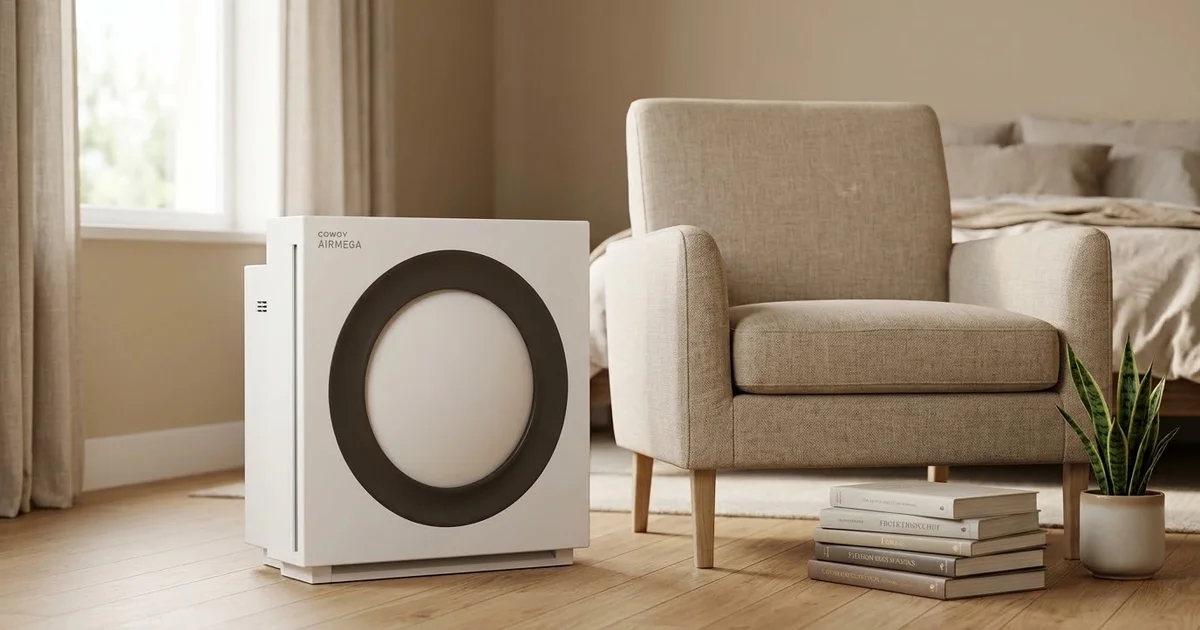
Coway Mighty2 vs AP-1512HH (2026)
Coway's Mighty2 replaced the AP-1512HH as Wirecutter's top pick. We compare CADR, noise, sensors, filter costs, and whether the older unit is still the smarter buy.
KNKA APH4000 Review: $150 Dark Horse
KNKA's APH4000 is one of Amazon's best-selling purifiers at $150. We check the AHAM certification, decode the 1,695 sq ft claim, and compare it to Levoit and Coway.
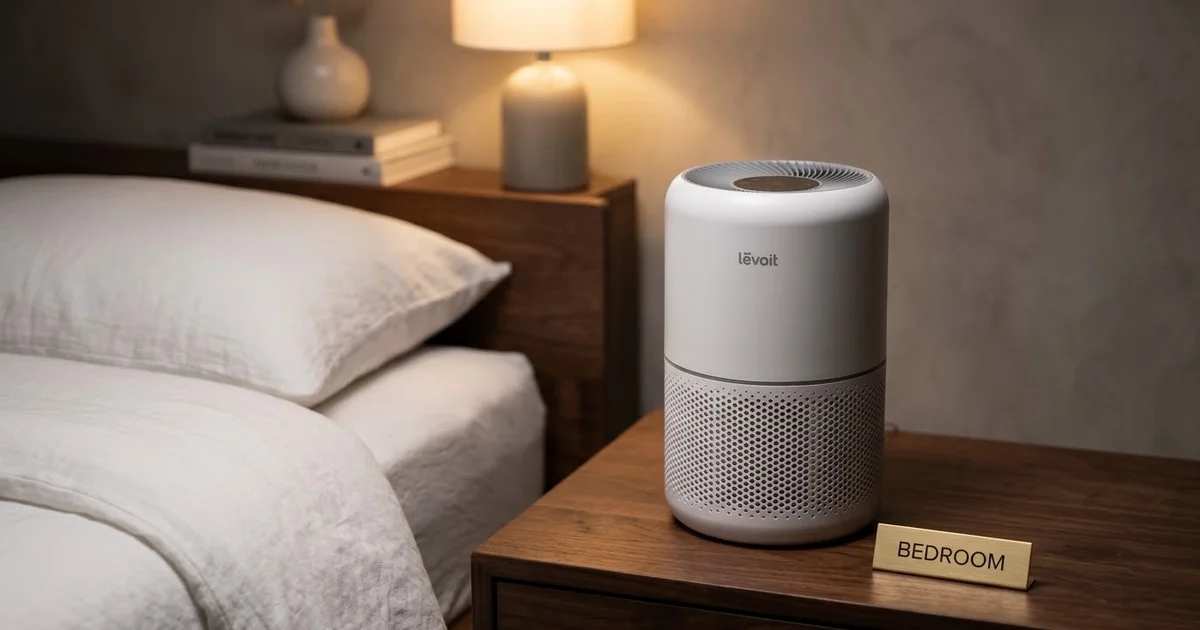
Levoit Core 300 vs 300-P: What Changed
Levoit quietly replaced the Core 300 with the Core 300-P. We explain the AHAM certification, whether filters still fit, and which one you should actually buy.
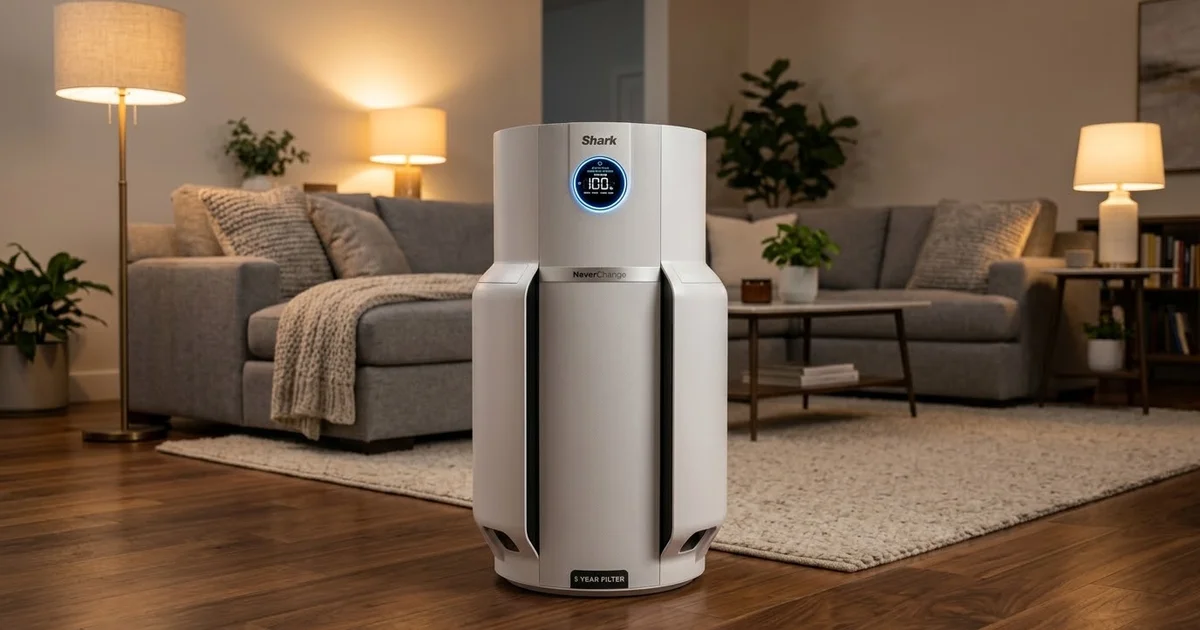
Shark NeverChange HP302 Review
Shark's NeverChange HP302 promises 5 years on one filter. We dig into the real running costs, the odor neutralizer catch, and whether it beats cheaper rivals.
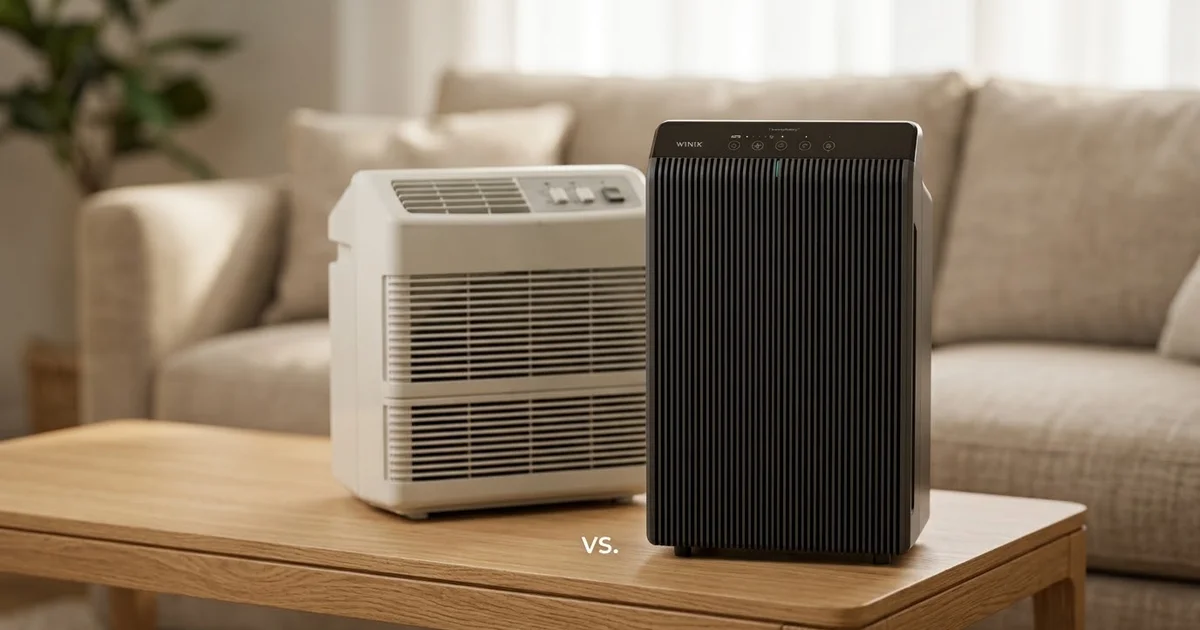
Winix 5510 vs 5500-2: 2026 Verdict
The Winix 5500-2 is discontinued and the 5510 takes over. We compare CADR, noise, filter costs, and the one compatibility problem nobody mentions.
🛒 Products Mentioned
As an Amazon Associate, we earn from qualifying purchases.
Covers indoor air quality science, respiratory health, allergy management, and wildfire smoke protection.
View all articles by Sarah →